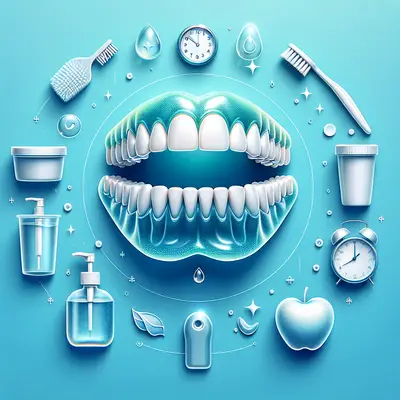
A beautifully crafted denture is more than a replacement for natural teeth—it is an intimate, everyday accessory, as personal as a tailored suit or a favorite watch. Yet most advice stops at “clean daily” and “soak overnight.” For those who expect more than the basics, true denture care is about nuance: comfort that lasts all day, discreet freshness, and confidence that never feels forced. This guide explores refined, often-overlooked details that elevate denture wear from merely functional to quietly luxurious—featuring five exclusive insights that discerning wearers are rarely told at the chairside.
The Foundation of Elegance: Understanding Your Prosthetic as a Precision Instrument
A high-quality denture is a carefully engineered device, not just a “plate.” Its acrylic base, teeth materials, and fit against your gums and palate form a delicate ecosystem. Small changes—weight loss, medication, even hydration—can influence how it sits, seals, and moves.
Treat your denture as you would a finely tuned instrument. The way it contacts your natural tissues, the precision of the bite, and the balance between upper and lower arches all shape how you speak, chew, and smile. A sophisticated care approach recognizes that your denture and your mouth are evolving together. That means regularly reassessing comfort, clarity of speech, and chewing efficiency—not waiting for obvious soreness or slippage. When you understand your denture as a living part of your daily rhythm, subtle irregularities become early signals, not sudden “surprises.”
Exclusive Insight #1: The “Morning Fit Ritual” That Reduces Midday Soreness
One of the most underrated habits for seasoned denture wearers is the way you start your day with your prosthetic. Rather than inserting your denture and immediately heading into breakfast, create a brief “fit ritual” each morning.
After gently rinsing your mouth with lukewarm water or an alcohol-free mouthwash, insert your clean denture and simply wear it for 10–15 minutes before eating or speaking extensively. During this time, focus on:
- Softly closing into your normal bite and holding for a few seconds
- Gently moving your jaw side-to-side and forward
- Swallowing several times to engage your tongue and cheek muscles
This quiet practice allows your oral tissues to reacquaint themselves with the denture after the night’s rest. Many wearers find that this small pause reduces friction points and the “raw” feeling that can appear later in the day, especially on new or recently adjusted dentures. Think of it as letting fine leather warm and soften to your skin before you take a long walk.
Exclusive Insight #2: Curating a “Gentle Friction” Cleaning Routine
Most denture guidance focuses on what to use—brushes, cleansers, tablets. The more refined question is how you apply friction. Overly aggressive scrubbing can create micro-scratches in the acrylic, making it easier for bacteria and stains to cling. Too little friction, however, allows biofilm to gradually dull the surface and affect freshness.
Elevate your cleaning by curating “gentle friction”:
- Choose a soft, non-abrasive denture brush or an ultra-soft toothbrush.
- Use a non-whitening, non-abrasive cleanser made specifically for dentures—never regular toothpaste, which often contains harsh abrasives.
- Clean with light, consistent strokes, almost as if polishing glass, rather than scouring a pan.
- Pay deliberate attention to the underside (the fitting surface), as this is where plaque and yeast can quietly accumulate and cause irritation or bad breath.
The goal is not merely “clean,” but a smooth, satin-like surface that resists buildup and retains its refined appearance. Over time, this approach preserves the integrity of both the acrylic base and the prosthetic teeth, prolonging the aesthetic life of your denture.
Exclusive Insight #3: Denture Hydration as a Daily Wellness Practice
A lesser-known truth: dentures and oral tissues both perform better in a well-hydrated environment. Acrylic should never dry out completely; when it does, it can become slightly warped or more brittle over time. Likewise, dry mouth (xerostomia) can increase irritation, infections such as oral thrush, and difficulty keeping a denture seated comfortably.
Transform hydration into a quiet daily wellness practice:
- Always store dentures in water or a denture-soaking solution when not in the mouth—never let them sit dry on a bedside table.
- Favor room-temperature or cool water for sipping through the day to keep oral tissues comfortably moist.
- If you take medications known to cause dry mouth, ask your dentist or physician about saliva substitutes or hydrating gels designed for oral use.
- Avoid frequent sipping of acidic drinks (like lemon water or sodas) with your denture in, as they can erode both tissues and materials over time.
This is not simply about avoiding cracks or warping; it’s about maintaining the delicate moisture balance that allows your denture to feel integrated, rather than foreign, throughout the day.
Exclusive Insight #4: A Discreet “Performance Check” for Your Speaking Voice
Public speaking, client calls, social dinners—these are moments where even a slight shift in your denture can feel disproportionately significant. While many people test their denture’s comfort by chewing, few realize that speech is an equally sophisticated “performance check.”
Each week, set aside two or three minutes for a private articulation check:
- Read aloud a short paragraph that includes “S,” “F,” “V,” “T,” and “CH” sounds.
- Notice any faint lisp, air escape, or clicking between teeth.
- Pay attention to whether you unconsciously tighten your lips or jaw to compensate.
If speech sounds suddenly different—especially after a new reline, adjustment, or weight change—that is often an early clue that your bite or fit has subtly shifted. Bringing these very specific observations to your dentist (“My ‘S’ sounds feel breathy” or “I click on ‘F’ sounds”) allows for a far more precise refinement than “It just feels off.” This level of detail transforms routine follow-up visits into genuinely tailored fine-tuning sessions.
Exclusive Insight #5: Seasonal Denture Wardrobe: Subtle Adjustments Through the Year
While dentures themselves may not change with the seasons, your oral environment often does. Winter heating, summer air conditioning, and shifts in diet and activity can alter everything from gum sensitivity to dry mouth symptoms. A sophisticated approach acknowledges these rhythms and adapts your care accordingly, much like you would adjust skincare between seasons.
Consider a “seasonal denture wardrobe” of habits:
- In colder, drier months, emphasize hydration and possibly add an alcohol-free moisturizing mouth rinse to your routine.
- In warmer months, be mindful of frequent cold, sugary drinks and frozen treats that can increase plaque and staining around your denture.
- Before travel or schedule changes (holidays, busy work seasons), preemptively schedule a checkup if your denture is nearing the end of its usual adjustment cycle.
- Maintain a discreet “travel kit” with a compact case, cleaning tablets, and a soft brush so your standards never drop when you’re away from home.
By treating your denture care as something adaptive rather than static, you ensure that comfort, freshness, and aesthetics remain consistently high—even as life, climate, and routine evolve.
Conclusion
Refined denture wear is not about perfection; it is about attentiveness. When you elevate your care beyond the basic checklist, you experience your denture less as a medical device and more as a bespoke companion to your daily life—quietly reliable, elegantly discreet, and aligned with your personal standards. Through a thoughtful morning fit ritual, gentle friction cleaning, hydration mindfulness, speech performance checks, and seasonal adaptability, you create an ecosystem where your prosthetic smile is not merely maintained, but truly curated.
In that space, confidence feels natural, conversation feels effortless, and your denture becomes what it was always meant to be: a seamless extension of your own refined presence.
Sources
- American Dental Association – Dentures – Overview of denture types, care principles, and common clinical guidance
- Mayo Clinic – Dentures: Common Questions – Clinical perspective on fit, adjustment, and long-term use
- Cleveland Clinic – Dentures – Detailed explanation of denture care, relines, and expectations
- National Institute of Dental and Craniofacial Research (NIDCR) – Evidence-based information on tooth replacement options and oral health considerations
- Columbia University College of Dental Medicine – Removable Dentures – Academic patient resource on proper use, maintenance, and follow-up care
Key Takeaway
The most important thing to remember from this article is that this information can change how you think about Denture Care.