Denture maintenance is not merely a routine—it is an ongoing investment in comfort, confidence, and longevity. When approached with discernment, the way you care for your dentures can feel less like a chore and more like a quiet ritual of self-respect. Beyond the usual advice to “clean daily” or “avoid harsh products,” there are elevated practices that distinguish a passable routine from a truly refined one.
What follows is a considered look at maintenance habits that protect your dentures, your oral tissues, and your overall appearance over time—plus five exclusive insights that many denture wearers are never told, yet deeply appreciate once they know them.
Understanding Denture Materials: Caring for What You Actually Own
Not all dentures are created from the same materials—and that matters enormously for maintenance. Most full dentures are made from acrylic resin, which is more porous and slightly softer than natural teeth; some partials feature metal frameworks or flexible polymers. Each material has a distinct response to heat, cleansers, and daily wear, meaning a one-size-fits-all cleaning approach can slowly erode the very structure you rely on.
Acrylic, for instance, is vulnerable to scratching. Using a regular toothpaste designed for natural enamel may feel “extra clean,” but in reality, abrasive particles can create micro-scratches that trap plaque and stain over time. Metal clasps on partial dentures can corrode with certain cleansers or suffer from repeated bending while removing stubborn buildup. Flexible materials, meanwhile, can be damaged by hot water or strong chemical solutions.
Elevated maintenance begins with a subtle shift in mindset: think of your dentures as precision devices, not generic plastic. Ask your dentist or prosthodontist exactly which materials are used in your appliance and request cleansing recommendations tailored to those materials. The more specific your routine, the more gracefully your dentures will age.
The Refined Cleaning Ritual: Gentle, Thorough, Consistent
A sophisticated cleaning ritual is defined less by complexity and more by precision. Effective denture maintenance always revolves around three pillars: mechanical removal of debris, chemical disinfection, and protection of both the appliance and your oral tissues.
Mechanical cleaning should be deliberate yet gentle. A soft-bristled denture brush (distinct from your natural-tooth brush) and a non-abrasive denture cleanser are ideal. Always clean over a basin filled with water or over a folded towel; one accidental drop onto porcelain or tile can cause a fracture. Pay special attention to the surfaces that rest against your gums and palate—these areas are easily missed but can harbor biofilm that leads to irritation and bad breath.
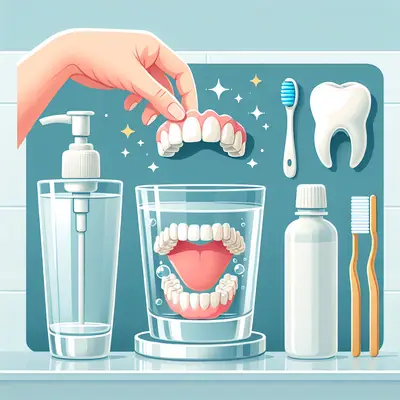
Chemical cleansing, typically using effervescent denture tablets or solutions approved for removable prosthetics, supports what your brush can’t fully reach. Follow the manufacturer’s recommended soaking time; over-soaking in strong solutions can prematurely fade or weaken some materials, while under-soaking reduces effectiveness. After soaking, rinse thoroughly under cool running water to remove any residual cleanser that might irritate your tissues.
Finally, consistency matters more than intensity. A rushed, aggressive cleaning once per day is less effective—and more damaging—than a soft, methodical approach morning and evening. When you handle your dentures with care, you extend their lifespan and preserve their refined appearance.
Five Exclusive Insights Denture Wearers Quietly Value
The following five insights are rarely highlighted in standard care instructions, yet they can profoundly elevate your day-to-day experience with dentures.
1. Treat Saliva as a Silent Partner in Denture Comfort
Saliva is one of the most underappreciated components of denture success. It acts as a natural cushion and creates the thin fluid film that helps full dentures adhere to the gums. If your mouth is dry—even slightly—your dentures will feel looser, less secure, and more irritating.
Certain medications, dehydration, alcohol-based mouthwashes, and even stress can reduce saliva flow. Rather than relying solely on adhesive to “fix” looseness, address saliva first. Hydrate regularly, limit excessive caffeine and alcohol, and consider saliva substitutes or moisturizing gels recommended for dry mouth. Sugar-free lozenges or gum containing xylitol can gently stimulate saliva without contributing to decay in any remaining natural teeth.
By treating saliva as an integral part of your maintenance plan, you enhance fit, reduce sore spots, and improve your overall sense of oral comfort.
2. Reserve One Evening a Week for a “Denture Inspection” Ritual
Most people only truly examine their dentures when something feels wrong. A more refined approach is to intentionally schedule a brief weekly inspection ritual. Under good lighting, examine every surface: the pink base, tooth edges, clasps (if present), and the borders that contact your cheeks and tongue.
Look for hairline cracks, small chips, tiny scratches, or areas where the surface appears duller or rougher than the rest. Run a clean finger gently along the edges to identify any sharp changes or irregularities that might be causing subtle irritation. Notice any new staining patterns—these can signal changes in your diet, cleaning process, or cleanser choice.
Catching small changes early allows your dentist or prosthodontist to polish, adjust, or repair the appliance before it fails dramatically. This quiet weekly check can mean the difference between a quick refinement and an emergency replacement at an inconvenient time.
3. Curate a “Denture-Only” Care Set to Avoid Hidden Damage
A detail many denture wearers overlook is cross-usage of products and tools meant for natural teeth. Whitening toothpastes, hard-bristled brushes, and some home remedies (like baking soda scrubs) can be far too harsh for denture materials.
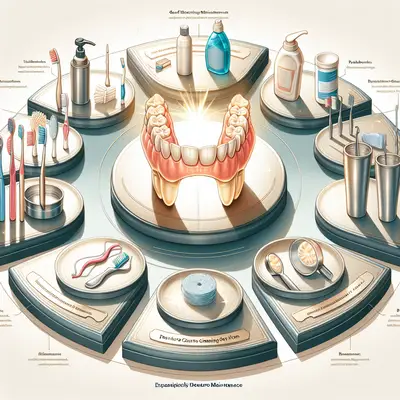
Curate a dedicated “denture-only” set and keep it distinct:
- A soft denture brush or ultra-soft toothbrush
- A non-abrasive denture cleanser (cream, foam, or liquid)
- An approved soaking solution and container used only for dentures
- A separate soft brush for your gums, tongue, and palate
By separating tools for dentures from tools for any remaining natural teeth, you dramatically reduce the risk of accidental abrasion, chemical damage, or contamination. This level of organization may feel subtle, but over years, it preserves the smooth finish and elegant appearance of your prosthesis.
4. Pair Your Nightly Soak with a Gum-Care Routine
Removing dentures at night to give your tissues a rest is well-known advice. Elevate this habit by treating those few minutes without dentures as focused therapy time for your gums and oral tissues.
Once your dentures are safely soaking, gently massage your gums and palate with a soft toothbrush or a clean, moistened finger. This improves circulation, supports tissue health, and can reduce morning soreness. If recommended by your dentist, you may also use an alcohol-free antimicrobial rinse to help control bacteria and fungal overgrowth—especially important for preventing denture stomatitis (inflammation of the tissues under your denture).
This pairing—dentures soaking, tissues recovering—turns a simple night-time step into a restorative ritual that protects both the appliance and the foundation it relies on.
5. Use Scent and Taste as Early Warning Signals
Your senses can alert you to maintenance issues long before obvious problems appear. A persistent “off” odor from your dentures, especially after cleaning, may signal plaque retention, microscopic cracking, or fungal accumulation on the fitting surface. A metallic or unusual taste in your mouth can indicate irritation, infection, or reaction to a cleaning product.
Make it a habit to notice how your dentures smell after they are cleaned and rinsed. There should be no lingering harsh chemical scent, nor a stale or sour odor. If you detect one, consider adjusting your cleaning solution, extending your mechanical brushing time, or scheduling a professional cleaning and evaluation.
Treat changes in taste or scent not as minor annoyances but as refined cues that your maintenance protocol needs adjustment. Your sensory impressions are often more sensitive than you realize—and listening to them is a hallmark of meticulous self-care.
Protecting the Fit: Maintenance Beyond Cleaning
Even with immaculate cleaning, dentures change over time because your mouth changes. Bone resorption (the gradual shrinking of the jawbone after tooth loss) subtly alters the contours that your dentures rest upon. The appliance itself may still be structurally sound, but the fit can shift, becoming less stable and more prone to sore spots.
Regular professional evaluations—typically every 6 to 12 months—are part of sophisticated maintenance, not an optional extra. During these visits, your clinician may recommend a relining procedure, where the inner surface of your denture is refreshed to match your current anatomy. This preserves fit, comfort, and function without necessarily requiring a full replacement.
Additionally, be mindful of how you handle your dentures throughout the day. Avoid snapping partial clasps in and out with excessive force; instead, seat and remove them carefully with two hands, following your dentist’s guidance. When not wearing dentures, store them in water or a recommended solution—never dry on a tissue or beside the sink. A dry denture can warp, compromising fit and creating the very discomfort many people blame on “aging dentures.”
Elevating Everyday Habits into a Long-Term Strategy
The most refined denture maintenance routines share one defining quality: intention. Each step is chosen for a reason—protecting structure, preserving aesthetics, supporting tissue health, and enhancing daily comfort. There is no single dramatic act that guarantees success; instead, it is the cumulative effect of small, consistent, and thoughtfully chosen habits.
By understanding your denture materials, refining your cleaning ritual, and integrating subtle practices like weekly inspections, curated care tools, targeted gum care, and attention to saliva and sensory cues, you create a maintenance approach that honors both the appliance and the person wearing it.
Your dentures are more than a prosthetic; they are a visible expression of your presence in the world. When you care for them with quiet excellence, they reward you with reliability, elegance, and confidence—day after day, year after year.
Sources
- American Dental Association – Dentures: Facts and Care - Overview of denture types and basic care principles from the ADA
- Mayo Clinic – Dentures: Common Questions - Discusses maintenance, fit, and common issues related to wearing dentures
- National Institute of Dental and Craniofacial Research – Oral Health for Older Adults - Covers oral health considerations including dry mouth, denture use, and tissue health
- Cleveland Clinic – Dentures - Provides detailed information on denture care, relining, and long-term management
- Colgate Oral Care Center – Caring for Dentures - Practical guidance on cleaning routines, products, and daily maintenance tips
Key Takeaway
The most important thing to remember from this article is that this information can change how you think about Maintenance Tips.