A well‑made denture is less an appliance and more a piece of quiet craftsmanship—engineered to restore function while preserving your sense of ease, confidence, and privacy. Today’s options range far beyond the “one‑size‑fits‑all” plates of decades past, and discerning wearers now have access to an array of designs, materials, and customizations that can be curated almost like a tailored garment. Understanding denture types with a refined lens allows you to hold your clinical conversations with composure—and to select a solution that aligns with your lifestyle, aesthetic standards, and long‑term health.
The Modern Landscape of Denture Types
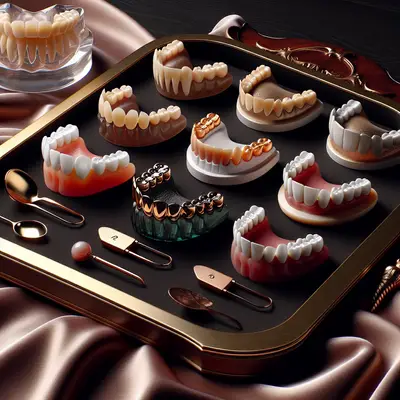
At the most fundamental level, dentures are divided into complete and partial designs. Complete dentures replace an entire arch of teeth—upper, lower, or both—while partial dentures fill in spaces between remaining natural teeth. Yet within those broad categories lies a nuanced spectrum: conventional acrylic dentures, flexible partials, precision‑attachment partials, and implant‑supported or implant‑retained options.
Conventional full dentures are often crafted from high‑grade acrylic resins, sometimes paired with advanced teeth materials that better mimic translucency and surface texture. Partial dentures traditionally use a metal framework with acrylic teeth, but more contemporary options integrate flexible materials for a softer, less conspicuous feel. Implant‑supported dentures, which anchor to surgically placed implants, offer enhanced security and chewing efficiency and can be designed as removable overdentures or fixed hybrid bridges that stay in place. When you view denture types through this modern lens, the decision is less about “if” you need dentures and more about “which configuration” best complements the way you live, speak, and dine.
Material Matters: Subtle Differences You Can Feel
The choice of materials shapes not only how your dentures look, but also how they behave in everyday life. Traditional acrylic remains the mainstay for full dentures because it allows for meticulous customization of gum color, tooth arrangement, and contouring. Premium acrylic teeth now offer layered shades and subtle translucency, helping avoid the flat, opaque appearance associated with older prosthetics.
Metal frameworks, often cobalt‑chromium alloys, are still favored for many partial dentures due to their durability and slim profile. They can provide excellent support while keeping the palate or tongue area open, enhancing speech and taste. Flexible partials, typically made from nylon‑based materials, trade some rigidity for comfort and improved aesthetics, as their gum‑colored bases blend more discreetly with surrounding tissues. High‑end solutions may combine materials—metal for internal strength, flexible or acrylic components for visible areas—to quietly balance resilience and refinement.
Exclusive Insight #1: The “Transition Strategy” Behind Denture Selection
A sophisticated treatment plan anticipates tomorrow’s needs, not only today’s. When evaluating denture types, consider how your choice fits into a longer‑term “transition strategy.” For example, a patient with several compromised teeth might begin with a removable partial that is intentionally designed to be easily converted to a complete denture in the future, sparing unnecessary remakes.
Similarly, some clinicians design immediate dentures (placed the same day teeth are removed) as a temporary yet carefully crafted phase, with the understanding that a more sculpted, definitive denture—and possibly future implants—will follow once gums stabilize. If you foresee implants in the future, your dentist may choose a denture design that can later be modified into an implant‑supported overdenture. Discussing this strategic arc at the outset allows you to move from one phase to the next with grace rather than disruption.
Exclusive Insight #2: Palate Design and the “Language of Comfort”
For many wearers, the most refined comfort feature is one you never see: the design of the palatal (roof‑of‑mouth) coverage. Conventional upper dentures typically rely on a full palatal plate for suction and stability. But with thoughtful planning, the palate can be subtly refined. A thinner, carefully contoured palatal area can reduce bulkiness, make speech feel more natural, and improve your perception of flavors.
Implant‑supported upper dentures may omit most of the palate altogether, opening the door to a more “unencumbered” feel that closely resembles natural dentition. Even in traditional designs, a skilled clinician and technician can fine‑tune thickness, edge transitions, and texture so your tongue encounters smooth, familiar surfaces. This is where craftsmanship elevates the experience: the palate becomes an integral, invisible contributor to ease of speaking, tasting, and simply forgetting the denture is there.
Exclusive Insight #3: Precision Attachments—Invisible Engineering for Partial Dentures
While metal clasps on partial dentures are functional, many wearers prefer a more discreet aesthetic, particularly near the front teeth. Precision‑attachment partial dentures use small, engineered connectors that fit into matching components on crowns or existing teeth, functioning almost like a bespoke fastening system.
These attachments can eliminate or minimize visible clasps, offering a cleaner smile line and a more secure feel. They require meticulous planning—often involving crown work on anchor teeth—and a higher level of technical collaboration between dentist and dental laboratory. For those who value a polished, unremarkable appearance when speaking or laughing, precision attachments represent an elevated alternative, merging engineering with subtlety.
Exclusive Insight #4: The Chewing Profile: Matching Denture Type to Dining Preferences
Chewing efficiency differs significantly between denture types, and aligning your choice with your culinary expectations can prevent future frustration. Conventional full dentures, even when expertly made, typically restore only a portion of natural bite strength and work best with more deliberate, bilateral chewing patterns and mindful food selection.
Implant‑retained overdentures offer a step up in function: they reduce movement, improve force distribution, and make it easier to manage more textured foods. Fixed implant bridges move even closer to natural teeth in performance, allowing more spontaneous, confident eating. Within removable designs, tooth shape (anatomical vs. flatter “monoplane” teeth) and occlusal schemes (how upper and lower teeth meet) can be customized to your chewing style—whether you prefer smoother gliding motions or more distinct chewing contacts. A candid discussion of your dining habits—business lunches, social dinners, travel cuisine—helps your clinician choose a denture type and tooth design that supports your real life, not just your smile in photos.
Exclusive Insight #5: Aesthetic Layering: Beyond “White Teeth” to Natural Nuance
Many denture wearers now seek an aesthetic that is not simply bright, but believably refined. Modern denture teeth are available in varied shapes, translucencies, and micro‑textures that can subtly echo your age, facial structure, and personal style. Rather than default to a uniform, overly bright shade, a skilled dentist will consider the whites of your eyes, your skin tone, and even your lip dynamics when smiling.
Advanced techniques may include layering different shades within the same tooth, adding gentle characterization at the gum line, or subtly adjusting the length and rotation of individual teeth to avoid a “cookie‑cutter” appearance. The denture base itself can be tinted with delicate variations that mimic natural gum tissue, rather than a single, flat pink. The result is not just an attractive smile, but one that feels harmoniously integrated with your face—elegant without announcing itself.
Choosing Between Traditional and Implant‑Supported Dentures
The decision between traditional removable dentures and implant‑supported solutions is rarely purely cosmetic; it encompasses bone health, lifestyle, medical history, and personal preference. Traditional dentures remain appropriate and effective for many, especially when bone quality, systemic health, or budget limit surgical options. With careful design and maintenance, they can provide stable, comfortable function for years.
Implant‑supported dentures, however, introduce a different tier of security and long‑term benefit. Implants help preserve jawbone volume over time, which can support facial structure and reduce the need for frequent relines. They also markedly reduce or eliminate the movement and occasional slipping that some wearers find most unsettling. A thoughtful consultation will evaluate bone levels, sinus positions, systemic conditions (such as diabetes or osteoporosis), and medications that may affect healing. From there, you and your clinician can tailor a plan that reflects both your current circumstances and your aspirations for daily comfort and confidence.
Elevating the Consultation: Questions That Signal a Refined Approach
Approaching your consultation as a collaborative design session rather than a passive appointment can significantly influence your outcome. Consider asking:
- How will this denture type support my long‑term bone health and facial structure?
- What options do I have for minimizing visible metal or bulky palate coverage?
- Can you show me examples of different tooth shapes and shades suited to my face?
- How easily could this design be adapted if I pursue implants later?
- What maintenance rituals and professional visits will keep this prosthesis performing at its best?
These questions invite your clinician to think beyond basic function, toward a genuinely curated solution. They also communicate that you value precision, discretion, and longevity—qualities that tend to yield more thoughtful recommendations and laboratory work.
Conclusion
Selecting a denture type is not merely a clinical decision; it is a considered choice about how you wish to live, eat, speak, and present yourself to the world. From the engineering of precision attachments to the sculpting of a thinner palate and the artful selection of tooth anatomy, modern dentures can be tailored to a level of refinement that respects both your taste and your time. When you understand the subtleties between designs and materials, you can move beyond the fear of “wearing dentures” and instead commission a quietly sophisticated piece of oral craftsmanship—one that restores not just your smile, but your ease in every setting.
Sources
- American College of Prosthodontists – Dentures Overview – Clinical overview of complete, partial, and implant‑supported dentures and their indications
- Mayo Clinic – Dentures: What to Expect – General guidance on types of dentures, fitting, and adaptation
- Cleveland Clinic – Types of Dentures – Detailed explanation of conventional, immediate, partial, and implant‑supported dentures
- National Institute of Dental and Craniofacial Research (NIDCR) – Tooth Replacement – Educational resource on tooth replacement options, including dentures and implants
- Journal of Prosthodontic Research – Masticatory Performance with Dentures – Research discussing chewing efficiency differences among denture and implant‑supported prostheses
Key Takeaway
The most important thing to remember from this article is that this information can change how you think about Denture Types.