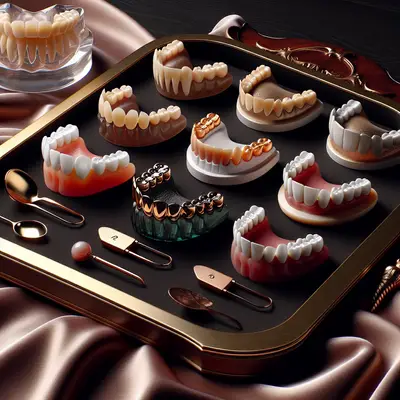
Modern dentures are no longer a simple choice between “full” or “partial.” For those who prize discretion, comfort, and aesthetics, the selection process feels closer to commissioning a finely tailored garment than purchasing a medical device. The right denture type should honor your lifestyle, protect your oral health, and support the kind of presence you want to project—confident, composed, and entirely at ease.
Below, we explore denture types through a more refined lens, then reveal five exclusive insights that discerning denture wearers often discover only after years of experience.
Understanding the Modern Denture Landscape
Today’s denture options extend well beyond the traditional acrylic plate. Each type has a distinct “personality,” and understanding those nuances helps you choose a solution that aligns with your standards.
Complete dentures are designed for those missing all teeth in an arch (upper, lower, or both). Crafted in high‑quality acrylic resins and sometimes reinforced with metal, they rely on close adaptation to the gums—and, in the upper jaw, natural suction—to stay in place. For many, they represent an elegant reset: a chance to correct crowding, discoloration, and bite issues in one considered step.
Partial dentures fill the spaces left by missing teeth while preserving your remaining natural teeth. They typically rely on a framework (often metal or flexible resin) that gently clasps onto existing teeth. Well‑designed partials do more than restore your smile; they stabilize bite forces, help protect remaining teeth from shifting, and preserve facial contours.
Implant‑supported and implant‑retained dentures anchor to titanium posts placed in the jawbone. Compared with traditional removable dentures, these provide a heightened sense of security, improved chewing efficiency, and reduced risk of bone loss over time. For those who value predictability in social and professional settings, they offer a quiet confidence that is difficult to match.
Within each category, there are subtle variations—flexible partials, metal‑framework partials, overdentures, fixed hybrid prostheses, and more. Think of the process less as “picking a product” and more as curating a bespoke solution with your dentist or prosthodontist.
Material Matters: How Composition Shapes Comfort and Aesthetics
The materials that form your denture determine how it feels, how it looks, and how it ages. A sophisticated choice goes beyond “metal vs. plastic” and considers how materials interact with your tissues, habits, and expectations.
Acrylic resins remain the foundation of most denture bases. High‑quality acrylic can be polished to a glass‑like finish, mimicking the luster of healthy gum tissue. It is relatively light, can be adjusted chairside when minor refinements are needed, and is compatible with most denture teeth materials.
Porcelain denture teeth deliver a glassy translucency and subtle light reflection that can look beautifully natural, particularly under bright lighting. They are highly wear‑resistant, which helps maintain your bite over time. However, porcelain can be heavier and, in some cases, more prone to chipping if you have strong bite forces or habits like clenching.
Composite and advanced acrylic teeth offer a thoughtful compromise. They are lighter, kinder to opposing natural teeth, and can be crafted with layered shades and anatomy that look remarkably lifelike. For many, they represent a refined balance of aesthetics and practicality.
Metal frameworks—commonly cobalt‑chromium alloys—for partial dentures allow for thinner, more delicate designs that still feel stable. When properly contoured, metal frameworks can be surprisingly discreet, hugging the palate or lingual surfaces of teeth. Flexible resin partials, on the other hand, trade some rigidity for a softer, more adaptable feel, with clasps that blend with gum tissue.
The most elevated outcomes come when dentist, technician, and patient align on material priorities: Do you value absolute realism under strong lighting? Minimal bulk? Maximum durability under demanding chewing? Your answers help define the ideal material palette.
Tailoring Denture Types to Lifestyle and Personality
Beyond clinical indications, your lifestyle should directly shape your choice of denture type. The same way you might tailor a wardrobe to your daily rhythms, your prosthetic solution should be curated around how you live, eat, and interact.
If your calendar is filled with client lunches, conferences, or frequent travel, a secure, low‑maintenance option—such as implant‑supported overdentures or well‑designed metal‑framework partials—can spare you the distraction of worrying about slippage or adhesive. Consistent performance under unpredictable circumstances becomes its own form of quiet luxury.
If you’re a culinary enthusiast who savors crisp vegetables, artisanal breads, or perfectly seared proteins, your dentist may recommend implant‑based solutions or more rigid partial designs to maximize bite efficiency. This is not merely indulgence; it protects your digestion, nutrition, and overall vitality.
Those with a more relaxed lifestyle, or with medical conditions affecting surgery candidacy, may find that meticulously crafted conventional dentures meet their needs elegantly—especially when paired with intentional maintenance and periodic relining.
Your personality also matters. Some people prefer a slightly “enhanced” smile—brighter shade, perfectly aligned teeth—while others want their dentures to echo the quirks of their original smile. Both are valid. The key is transparent dialogue with your dental team so the final outcome feels authentically “you,” not simply mechanically correct.
Five Exclusive Insights Seasoned Denture Wearers Wish They Knew Sooner
The most valuable wisdom often comes from those who have already lived with dentures for years. These five insights rarely appear in basic brochures, yet they profoundly influence day‑to‑day satisfaction.
1. The “Silent Fit” Standard Is More Important Than First Impressions
The first day you wear new dentures can be deceptive—either surprisingly comfortable or noticeably foreign. What matters more is the silent fit standard: how your dentures feel after several hours of speaking, eating, and simply existing in them.
Sophisticated wearers learn to evaluate fit over a week or two, noting subtle pressure points, how the dentures behave while laughing or chewing, and whether any areas feel sore by evening. A premium experience is not defined by “no adjustments needed,” but by how readily your dentist fine‑tunes the fit until the dentures feel almost forgettable.
If you’re choosing between denture types, ask how easily each option can be adjusted over time. Acrylic bases, for example, allow relatively straightforward refinements, while certain flexible materials may be less adaptable. Elevating your standard to “comfort that disappears into the background” clarifies which design is truly right for you.
2. Tooth Shape and Arrangement Influence More Than Just Appearance
Many patients focus primarily on tooth shade, but experienced denture wearers understand that tooth form and arrangement are equally crucial. Subtle differences in tooth length, rotation, and spacing can influence how your lips rest, how naturally you pronounce words, and even how your face looks at rest.
Slightly varied tooth shapes and minimal asymmetry often create a more believable, lived‑in smile—particularly important when you want your dentures to escape casual notice. Conversely, if your profession or personality leans toward a polished, camera‑ready presence, a more uniform, carefully contoured setup may serve you better.
When reviewing try‑ins, don’t only ask, “Do these look white enough?” Ask:
- How do my lips look when I’m speaking and when I’m not?
- Do I recognize myself in this smile?
- Does the tooth length support my facial structure or overwhelm it?
This level of discernment helps ensure your final prosthesis supports not just your bite, but your identity.
3. The Palate Experience Can Define Daily Satisfaction
For upper dentures, the design of the palate portion is one of the least discussed yet most influential features. Traditional complete dentures often cover the entire palate, which can slightly alter taste perception, temperature sensation, and speech. Many first‑time wearers underestimate how much this affects their daily pleasure.
Seasoned wearers often explore options that lighten or reduce palatal coverage when clinically possible—such as metal frameworks for partials, horseshoe‑shaped designs with implant support, or carefully designed palatal thinning. These refinements can make meals more pleasurable, improve enunciation, and create a more natural oral environment.
If you are sensitive to sensations on the roof of your mouth, discuss this early. Certain denture types (particularly implant‑supported options for the upper arch) can dramatically minimize palatal bulk, offering a more liberated, authentic feel.
4. Bone and Gum Preservation Should Guide Long‑Term Decisions
Refined decision‑making looks beyond immediate aesthetics to how your choice will age with you. Dentures do not exist in isolation; they sit atop living tissues that change over time.
Traditional complete dentures rest on the gums and underlying bone. Without tooth roots or implants to stimulate the jawbone, gradual bone resorption is expected. Over years, this can lead to a looser fit, the need for relines or remakes, and subtle changes in facial contours.
Implant‑supported dentures, while more complex initially, help preserve bone volume by transmitting functional forces through the implants into the jaw, much like natural tooth roots. For those thinking 10–20 years ahead, especially younger denture wearers, this can be a decisive factor.
Even if full implants are not an option, strategic use of a few implants to stabilize an overdenture can be a thoughtful compromise, balancing investment, comfort, and tissue preservation. The key is to consider not just “How will this look this year?” but “How gracefully will this solution age with me?”
5. Premium Outcomes Depend on the Technician as Much as the Dentist
The artistry of your denture is often shaped in a dental laboratory, by technicians you may never meet but who play a central role in the final result. Experienced denture wearers come to appreciate that the difference between “acceptable” and “exquisite” frequently lies in the technician’s eye for color layering, anatomical detailing, and symmetry.
If you are investing in a higher‑end solution—especially cosmetic dentures or implant‑supported hybrids—ask your dentist:
- Which lab will be fabricating my dentures?
- Can I see examples of their work?
- Will there be opportunities for try‑ins and feedback at multiple stages?
Some practices collaborate with boutique labs that specialize in highly aesthetic prosthetics, even offering in‑person shade matching or photography‑based customization. When dentist and technician share an elevated standard, your dentures become less of an appliance and more of a tailored restoration of self.
Conclusion
Selecting a denture type should feel less like accepting a compromise and more like curating a solution that respects your standards, routines, and long‑term wellbeing. Material choices, tooth arrangement, palatal design, bone preservation, and laboratory craftsmanship all contribute to a result that not only restores function, but supports a life lived with quiet assurance.
With the right guidance and a willingness to look beyond basic categories of “full” or “partial,” you can commission a prosthetic that feels aligned with who you are—measured, discerning, and unwilling to settle for anything less than comfortably exceptional.
Sources
- American Dental Association – Dentures – Overview of denture types, indications, and basic care guidance
- Mayo Clinic – Dentures: Options, Care and Adjustment – Clinical explanation of complete and partial dentures and what to expect
- Cleveland Clinic – Dental Implants and Implant-Supported Dentures – Details on implants and how they support prosthetic solutions
- National Institute of Dental and Craniofacial Research (NIDCR) – Information on tooth loss, bone changes, and oral health over time
- Columbia University College of Dental Medicine – Complete and Partial Dentures – Academic perspective on denture design, fabrication, and adjustment
Key Takeaway
The most important thing to remember from this article is that this information can change how you think about Denture Types.