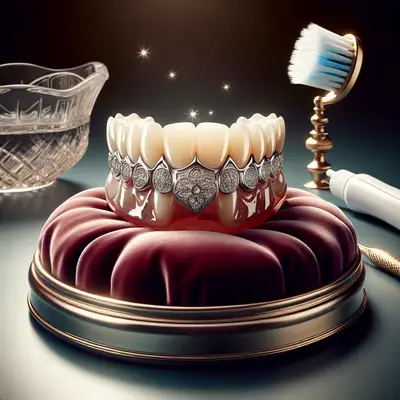
A beautifully crafted denture does more than restore a smile—it restores presence. Yet the true luxury lies not only in the prosthesis itself, but in the quiet, precise habits that support it every day. For discerning denture wearers, comfort, discretion, and longevity are non‑negotiable. This guide explores refined, often overlooked practices that elevate denture care from basic maintenance to a polished, almost invisible part of your routine—along with five exclusive insights you won’t typically hear in the clinic chair.
Rethinking “Fit”: Why Your Bite Pattern Matters More Than You Think
Most conversations about dentures focus on “fit,” but for truly effortless wear, the more revealing detail is your bite pattern—how your teeth meet when you speak, swallow, and rest.
A denture that feels comfortable while you’re seated may behave very differently when you’re walking briskly, laughing, or dining out. Subtle changes in posture and jaw position can shift your bite, causing micro‑movement that leads to sore spots, clicking, or a feeling of insecurity.
Exclusive Insight #1: Schedule a “Dynamic Fit” Review, Not Just a Static Check
Instead of only evaluating your dentures while you’re reclined in the dental chair, ask your dentist for a brief “dynamic” assessment:
- Sit upright as you normally would at a restaurant or desk.
- Speak a few sentences at your natural pace and volume, including words with “s,” “f,” and “t” sounds.
- Mimic your typical chewing by gently moving your jaw side to side.
- Swallow multiple times while your dentist observes how the denture behaves.
These small, real‑world movements reveal pressure points and instabilities that may not appear in a traditional exam. Tiny adjustments to the bite or contour can transform an adequate fit into one that feels quietly secure throughout your day.
The Art of Subtle Hydration: Protecting Tissues While Preserving Grip
Many denture wearers focus on the denture surface itself and overlook the unsung hero of long‑term comfort: the oral tissues and saliva that support it. A well‑hydrated mouth cushions the denture, helps maintain suction, and reduces friction. Yet indiscriminate use of mints, mouthwashes, or certain medications can leave the mouth feeling dry and the denture less stable.
Exclusive Insight #2: Curate a “Moisture Buffer” Routine Before Social Events
Rather than reaching for strong, alcohol‑based mouthwashes that can dry your mouth, consider a more curated sequence when you know you’ll be speaking or dining for an extended period:
- Use an alcohol‑free, fluoride mouth rinse to freshen without stripping moisture.
- Sip plain water slowly over 10–15 minutes, instead of drinking a large amount at once.
- If recommended by your dentist, apply a saliva‑substitute gel or spray lightly to the cheeks and under the tongue—not directly on the denture surface.
- Allow a few minutes before inserting or re‑seating your dentures so natural saliva blends with the product.
This creates a subtle “moisture buffer” that cushions the tissues while maintaining the natural adhesion needed for a confident, stable fit—especially valuable before presentations, social gatherings, or travel.
Precision Cleaning: Beyond “Clean Enough” to Truly Refined Care
Classic advice recommends daily soaking and gentle brushing, but the difference between “clean enough” and impeccably maintained is in the attention to small, easily neglected details. Residual plaque, microscopic scratches, and hidden adhesive can all contribute to odor, irritation, and staining over time.
Exclusive Insight #3: Reserve a Dedicated Brush Just for the Denture Undersurface
Many people use a single denture brush for all surfaces. An elevated approach separates the most delicate contact area—the tissue‑facing surface—from the rest:
- Keep two soft brushes: one for the external (tooth and polished) surfaces, and a second strictly for the undersurface.
- Use minimal pressure and small, controlled strokes on the tissue‑side to avoid creating micro‑abrasions.
- Rinse thoroughly under running water to remove any cleanser residue that might irritate your gums.
By preserving the smoothness and integrity of the undersurface, you reduce friction, protect your oral tissues, and help your denture maintain its comfort and fit for longer. This subtle distinction in tools signals a more elevated standard of care.
Adhesive as a Finishing Touch, Not a Crutch
Denture adhesive can be a powerful ally—when used with intention. Overreliance, however, can mask a declining fit, encourage buildup, and make cleaning more challenging. The most refined approach treats adhesive less like glue, and more like a finishing detail that enhances an already well‑balanced denture.
Exclusive Insight #4: Use a “Micro‑Map” of Adhesive Rather Than a Continuous Strip
Instead of applying long, heavy lines of adhesive, consider a precise, minimal pattern matched to your areas of movement or concern:
- Apply small, separated dots or short dashes in regions where you tend to feel the most movement, avoiding the edges to minimize oozing.
- Keep the amount as minimal as possible while still feeling secure—too much can actually destabilize the denture.
- Track how much you’ve used compared to how your comfort feels over several days; aim for consistency rather than simply “more = better.”
This micro‑mapped approach preserves the denture’s natural fit, reduces excess adhesive to clean off later, and gives you a subtler, more controlled sense of stability—particularly appreciated by those who value both discretion and precision.
Night Rituals: Preparing Your Mouth, Not Just Soaking the Denture
Most guidance correctly emphasizes removing dentures at night and soaking them in a cleanser. Yet the truly discerning routine extends beyond the denture itself to the tissues that will support it the next day. Your gums, tongue, and palate need their own quiet restoration period.
Exclusive Insight #5: Treat Your Oral Tissues to a “Recovery Interval” Each Night
Before placing your dentures in their overnight solution, add a short, focused tissue‑care ritual:
- Gently brush your gums, tongue, and palate with a soft toothbrush and fluoride toothpaste or as your dentist recommends.
- Rinse with a mild, alcohol‑free mouthwash or warm salt water to calm any areas of friction.
- Use a clean fingertip to gently massage the gums where your denture usually rests, promoting blood flow and resilience.
- Allow a period—at least several minutes—of simply resting with your mouth relaxed and lips closed, without any prosthesis in place.
This nightly “recovery interval” helps your tissues rebound, reduces the likelihood of sore spots, and supports long‑term oral health—one of the most understated yet luxurious investments you can make in your comfort.
Conclusion
Denture care at its highest level is not loud or complicated. It is composed of quiet, measured choices: a dynamic fit review instead of a quick glance, a curated moisture routine instead of a harsh rinse, a dedicated brush for the most critical surfaces, a minimalist adhesive pattern rather than excess, and a tissue‑focused night ritual that nourishes the foundation beneath your smile.
When these refined habits become part of your daily rhythm, your dentures cease to feel like “appliances” and instead become an understated extension of you—supporting speech, presence, and confidence with ease. That is the true elegance of exceptional denture care: not merely a restored appearance, but a life lived without distraction from the smile you wear every day.
Sources
- Mayo Clinic – Dentures: How to Care for Them - Overview of essential denture care principles and maintenance
- American College of Prosthodontists – Dentures FAQ - Professional guidance on fit, use, and common concerns for denture wearers
- National Institute of Dental and Craniofacial Research (NIDCR) – Oral Health in Older Adults - Context on oral tissues, saliva, and aging relevant to denture comfort
- American Dental Association – Denture Care Recommendations - Practical, evidence-based recommendations on cleaning, storage, and tissue care
- Cleveland Clinic – Dentures: Benefits, Types and Care - Clinical overview of denture types, fit considerations, and long-term maintenance
Key Takeaway
The most important thing to remember from this article is that this information can change how you think about Denture Care.