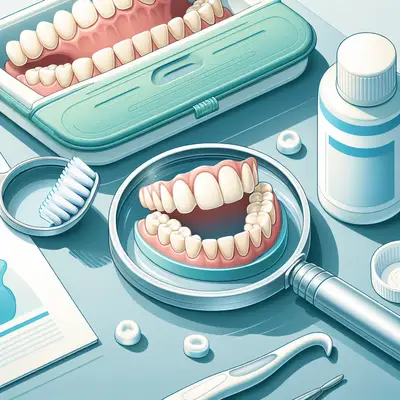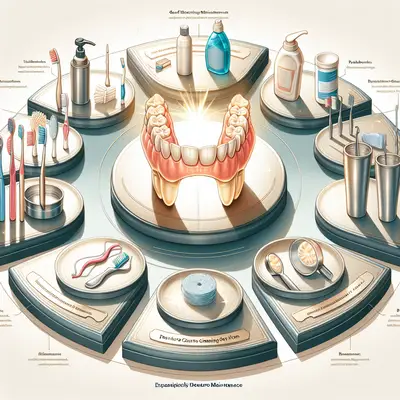
Elegance in denture care is not merely about avoiding problems; it is about cultivating a quiet confidence in every interaction, every photograph, every shared meal. The most sophisticated denture wearers approach maintenance as a refined ritual—measured, intentional, and discreet. Beyond the standard advice of brushing and soaking, there is a more nuanced level of care that protects not only your appliance, but also your comfort, speech, and poise. The insights below are designed for those who view their dentures as an integral part of their personal presentation, deserving of the same attention they give to fine fabrics, skincare, or eyewear.
The Evening Reset: Treating Nightly Care as a Restoration, Not a Chore
For discerning denture wearers, the end of the day is not simply a time to “take dentures out and soak them,” but an opportunity to restore subtle details that accumulate over hours of use. Instead of rushing through a quick scrub, think of your nightly routine as a controlled reset.
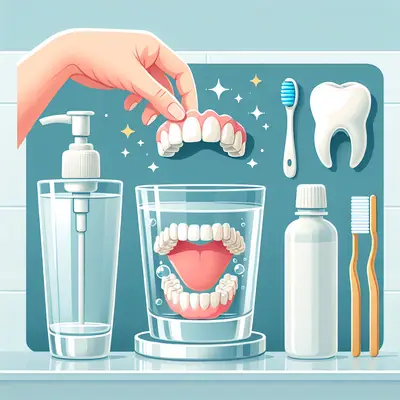
Begin by rinsing your dentures under lukewarm water immediately after removal—this prevents soft plaque from drying and becoming more resistant to cleaning. Use a dedicated denture brush with soft bristles and a non-abrasive denture cleanser; ordinary toothpaste can create microscopic scratches that lead to staining and odor retention over time. Consider a two-step soak: first in an effervescent denture cleaning solution to break down biofilm and stains, then in fresh water to remove residual chemicals before morning wear.
Equally important is the care of your mouth itself. Gently brush your gums, tongue, and palate with a soft toothbrush to stimulate circulation and remove plaque that can transfer back to your denture. This nightly “reset” supports healthier tissues, better fit, and fresher breath upon waking—small advantages that accumulate into a noticeably more polished daily experience.
Micro-Fit Management: Subtle Checks that Preserve Comfort and Poise
A refined denture routine includes regular “micro-fit” assessments—brief, focused checks that help you detect subtle shifts before they become visible problems. Jawbone and gum tissues naturally change over time, and what feels acceptable today can quietly drift into irritation, sore spots, or slight slippage.
Once a week, take a few minutes in front of a mirror in good lighting. Place your dentures, then calmly observe: do your facial contours appear balanced and natural? Are there new areas of pressure or faint redness along the gums after removal? If you notice subtle clicking sounds when speaking or a tendency for your dentures to move when you laugh, these may be early indicators that a professional adjustment is nearing.
Resist the temptation to “patch” emerging issues with more adhesive or improvised liners. While short-term adhesive use is normal, constantly increasing the amount to maintain stability is a quiet signal that a reline or evaluation is due. Scheduling a proactive visit with your dentist or prosthodontist—before discomfort is obvious—preserves both comfort and the understated confidence that comes from knowing your smile is truly secure.
The Hydration Equation: Moisture as a Silent Guardian of Fit and Freshness
Well-maintained dentures do not exist in isolation; they depend on the health and hydration of the oral environment. Saliva is your denture’s silent ally, providing natural lubrication, aiding adhesion, and helping control bacteria that can cause odor and irritation.
If you experience dry mouth—common with many medications and as we age—addressing hydration is a sophisticated, often overlooked dimension of denture care. Sip water regularly throughout the day rather than in large, infrequent amounts. Limit excessive caffeine and alcohol, both of which can dry oral tissues. Sugar-free saliva-stimulating lozenges or chewing gum (only when your dentures are stable and comfortable) can help encourage natural moisture.
For more persistent dryness, ask your dentist or physician about saliva substitutes, gels, or sprays designed for xerostomia. Maintaining good hydration doesn’t just improve comfort; it reduces friction, minimizes sore spots, and lowers the risk of fungal infections like denture stomatitis. In practice, this means fewer sudden irritations and a consistently more effortless wear—an invisible advantage that enhances every social interaction.
Material-Aware Care: Tailoring Your Routine to Your Specific Denture
An elevated maintenance routine recognizes that not all dentures are created from the same materials—and that these differences matter. Acrylic, metal-based partials, flexible nylon appliances, and implant-supported overdentures all respond best to slightly different care approaches.
If your denture includes metal components, for example, not all soaking solutions are appropriate; some cleansers can corrode or discolor metal frameworks over time. Flexible partials may be more sensitive to high heat and require particularly gentle handling. Implant-supported dentures introduce an entirely separate hygiene requirement around the abutments or bar, where plaque and inflammation can compromise the underlying implants if neglected.
Take a moment to review any care instructions provided by your dental professional or lab, and when in doubt, ask specifically: “Is this product appropriate for my exact denture type?” Curating your cleaning solutions, brushes, and storage methods to complement your specific appliance protects its integrity, appearance, and longevity. This kind of material-aware care is subtle but sophisticated—less guesswork, more precision, and a consistently more refined result.
Social-Ready Strategy: Discreet Habits for Dining and Travel
Maintaining a polished presence in social and professional settings often comes down to preparation rather than spontaneity. Sophisticated denture wearers quietly anticipate situations that might challenge comfort—long dinners, travel days, or extended speaking engagements—and prepare accordingly.
Consider creating a compact, discreet “denture essentials” kit for your bag or briefcase: a travel-sized denture brush, a small container of cleanser tablets, a sealed case, and a modest amount of your preferred adhesive. Before important engagements involving food, gently confirm the stability of your denture and avoid experimenting with new adhesive brands or unfamiliar cleansers that day.
When dining out, opt for a measured approach at the beginning of the meal: start with softer textures to gauge how your dentures feel that day before moving on to more challenging items. If you sense food becoming trapped under your denture, excuse yourself briefly rather than attempting to manage it at the table—this small courtesy to yourself preserves both comfort and composure. For travel, bring a backup set of dentures if you have one, and always keep critical items (like your denture case and cleanser) in your carry-on, never solely in checked luggage.
Over time, these discreet habits become second nature. The result is the ability to move through restaurants, meetings, and journeys with quiet assurance, knowing that your maintenance strategy has already anticipated the moments that matter most.
Conclusion
Truly elevated denture maintenance lives in the details: the unhurried evening reset, the subtle weekly fit check, the quiet attention to hydration, materials, and context. These practices are not about perfectionism; they are about aligning your daily care with the standards you hold for the rest of your life—considered, intentional, and gracious. By integrating these five exclusive insights into your routine, you transform denture care from a basic obligation into a refined practice that supports comfort, health, and a composed presence in every setting.
Sources
- American Dental Association – Dentures – Overview of denture types, basic care, and professional guidance from the ADA
- National Institutes of Health (NIH) – Oral Health in Older Adults – Discusses oral changes with age, including denture-related considerations and tissue health
- Mayo Clinic – Dentures: How to Care for Them – Practical recommendations on cleaning, handling, and maintaining dentures
- Cleveland Clinic – Dry Mouth (Xerostomia) – Explains causes and management of dry mouth, a key factor affecting denture comfort and fit
- Columbia University College of Dental Medicine – Dentures – Professional insight into denture care, adjustments, and long-term maintenance needs
Key Takeaway
The most important thing to remember from this article is that this information can change how you think about Maintenance Tips.