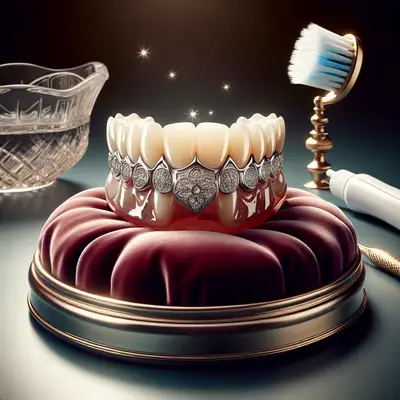
A beautifully maintained denture is more than a prosthetic—it is an extension of your presence. When cared for with intention, dentures allow you to converse, dine, and smile with quiet confidence, free from distraction or self‑consciousness. This is not about elaborate routines or exaggerated promises; it is about refined, consistent practices that preserve both the prosthetic and the natural structures that support it. What follows is a considered approach to denture care, with five exclusive insights that discerning wearers will recognize as the difference between “good enough” and truly exceptional.
Curating the Ideal Daily Rhythm for Your Dentures
Think of denture care as a daily rhythm rather than a checklist. Morning and evening become anchor points for a ritual that protects your oral health and the integrity of your appliance.
On waking, begin by rinsing your dentures thoroughly under cool to lukewarm running water to remove any overnight solution and residual debris. Before reinserting them, gently brush your gums, tongue, and palate with a soft‑bristled manual brush; this stimulates circulation, refreshes breath, and prepares the tissues to support your prosthesis comfortably. Only then should you brush your dentures with a dedicated, non‑abrasive denture brush and a cleanser formulated specifically for dentures—never regular toothpaste, which is often too abrasive.
Evening care should be unhurried. Remove your dentures in a calm, well‑lit environment, ideally over a folded towel or basin filled with water to reduce the risk of breakage if dropped. After a thorough rinse and brush, allow them to soak overnight in a fresh denture‑cleansing solution recommended by your dental professional. This cycle of cleanse, rest, and re‑fit creates a predictable, reassuring framework that respects both the materials of the denture and the health of the oral tissues beneath.
Insight #1: Treat the Underlying Tissues as the True Foundation
While the denture is visible, the true foundation of your smile is the tissue and bone underneath. Many wearers mistakenly focus their efforts solely on the appliance, neglecting the delicate mucosa and residual ridge that sustain it.
To elevate your care, integrate a brief “tissue ritual” every evening. After removing your dentures, massage your gums with a clean finger wrapped in a soft, damp cloth or with an ultra‑soft toothbrush. Use small, circular motions along the ridge and inner cheeks. This simple practice promotes circulation, helps reduce minor soreness, and can improve long‑term tissue resilience. If you wear a lower denture, pay particular attention to the thin ridge and areas prone to friction.
Monitor your tissues as carefully as you might inspect a fine garment’s lining. Look for areas of persistent redness, shiny spots, or ulcerations. Any sore spot lasting longer than two weeks, or recurring in the same location, warrants a professional evaluation—not merely an adjustment of adhesive or a change in cleansing solution. In this way, you honor the foundation as much as the façade.
Insight #2: Calibrated Adhesive Use—Precision Over Quantity
Adhesive, when used appropriately, can transform the experience of wearing dentures from tentative to serene. The key is precision, not volume. Overuse can create a messy, unstable feel and complicate cleaning; underuse can lead to movement, chafing, and embarrassment.
Begin by selecting an adhesive specifically designed for full or partial dentures, free of unnecessary fragrances or irritants. Apply in measured, thin strips or discreet dots, avoiding the edges. A well‑fitting denture requires only a modest amount; if you routinely need a heavy application to achieve stability, it is a signal that your appliance likely needs adjustment or relining.
Give adhesives time to “set” by placing the denture, biting down gently, and holding for a few seconds. Avoid eating or drinking very hot beverages immediately afterward. Reserve the removal of residual adhesive—both on the denture and your gums—for your evening routine, using warm water, a soft cloth, and, when recommended, specialized adhesive removers. This thoughtful, restrained approach results in a sensation of secure comfort rather than a feeling of being “glued in.”
Insight #3: Temperature and Texture Awareness for Long-Term Comfort
One of the most refined—and often overlooked—adjustments denture wearers can make is to become more discerning about temperature and texture. The materials used in dentures can expand or contract slightly with extreme heat, and your supporting tissues can be more vulnerable to burns or micro‑trauma without natural teeth to buffer impact.
Cultivate a habit of testing hot liquids on your lips before sipping. Extremely hot coffee, tea, or soup not only risks scalding the palate but can, over time, contribute to warping or stress on the denture base. Moderation in temperature preserves both comfort and longevity. Similarly, be mindful with hard or highly sticky foods, such as very hard candies or dense caramels, which can strain the denture and compromise its fit.
Emphasize foods that are firm but yielding—think roasted vegetables, tender meats cut into smaller pieces, and artisanal breads with moderate crusts rather than rock‑hard loaves. This does not mean limiting pleasure at the table; rather, it refines it. Over time, this attention to the tactile and thermal qualities of your meals helps prevent avoidable fractures, pressure points, and discomfort.
Insight #4: A Discreet Maintenance Calendar for Adjustments and Relines
Even the most meticulously crafted denture is in quiet negotiation with a changing mouth. Bone resorption and subtle tissue changes are natural over time, which means that a denture that felt impeccable on day one may evolve into one that rubs or shifts if left unchecked.
Instead of waiting until discomfort is obvious, establish a discreet maintenance calendar in partnership with your dentist or prosthodontist. A professional check at least once a year—more often in the first few years—allows for timely adjustments, relines, and nuanced refinements in occlusion (the way your teeth meet). Treat these visits the way you might regard the servicing of a fine watch: preventive, precise, and non‑negotiable.
Resist the temptation to self‑adjust by bending clasps, trimming acrylic, or using household tools. While seemingly convenient, such improvisations can compromise the fit, weaken structural components, or create rough edges that irritate soft tissue. Allow a skilled clinician to preserve the harmony between denture, bite, and bone, safeguarding both aesthetics and function.
Insight #5: Elevated Cleanliness Standards—From Travel Kits to Storage
Denture care extends beyond bathroom rituals into how you manage your prosthesis throughout the day and during travel. An elevated standard of cleanliness ensures that your dentures remain fresh, odor‑free, and ready for any social or professional setting.
Consider assembling a compact, discreet “denture kit” for your handbag, briefcase, or car. Include a vented, hard denture case; a small bottle of clean water or saline; a travel‑size, soft toothbrush; and single‑use, denture‑safe cleansing wipes or a mild, non‑alcoholic mouth rinse. This allows you to rinse after meals, remove discreetly if needed, and avoid improvised storage solutions such as napkins or pockets, which invite damage or loss.
At home, never store dentures dry. When not in your mouth, they should rest in water or denture solution in a dedicated container, away from heat sources and out of reach of pets and children. Avoid hot water, which can distort the base. Label your case subtly if you live in a multi‑person household to avoid mix‑ups. This mindful stewardship transforms your denture from a mere medical device into something cared for with the same attentiveness you afford your finest personal items.
Subtle Lifestyle Choices That Protect Your Investment
Beyond direct denture care, a few lifestyle decisions can significantly influence your comfort and the longevity of your prosthesis. Smoking, for example, can stain acrylic, contribute to dry mouth, and increase the risk of oral infections, including denture stomatitis. A commitment to reducing or quitting smoking is not only a systemic health upgrade; it is an aesthetic and functional one as well.
Hydration is equally important. Adequate water intake supports saliva production, which in turn helps lubricate the denture surface, making it more comfortable and reducing the risk of friction‑related soreness. If medications or medical conditions contribute to dry mouth, discuss potential saliva substitutes or related solutions with your dental team. An elegant, understated result emerges when the denture, oral health, and general well‑being are treated as a single, integrated system rather than separate concerns.
Conclusion
Denture care, at its most refined, is not a collection of rigid rules but a thoughtful, consistent practice that respects both form and function. By tending to the tissues beneath, using adhesive with precision, honoring temperature and texture, maintaining a quiet schedule of professional review, and elevating everyday cleanliness, you transform your dentures from a clinical necessity into a quietly luxurious part of your daily life.
The outcome is not merely a prosthesis that lasts longer; it is a smile that feels authentically your own—stable, comfortable, and confidently understated in every setting.
Sources
- American Dental Association – Dentures – Overview of types of dentures, care recommendations, and common concerns
- Mayo Clinic – Dentures: Options, Care and Adjustment – Guidance on living with dentures, adjustment periods, and maintenance
- Cleveland Clinic – Dentures – Detailed explanation of denture types, fitting, and long‑term care considerations
- National Institute of Dental and Craniofacial Research (NIDCR) – Oral Health for Older Adults – Context on oral health changes with age, including tooth loss and prosthetic use
- University of Michigan School of Dentistry – Patient Guide to Partial and Complete Dentures (PDF) – Patient‑focused information on denture use, cleaning, and adjustment tips
Key Takeaway
The most important thing to remember from this article is that this information can change how you think about Denture Care.