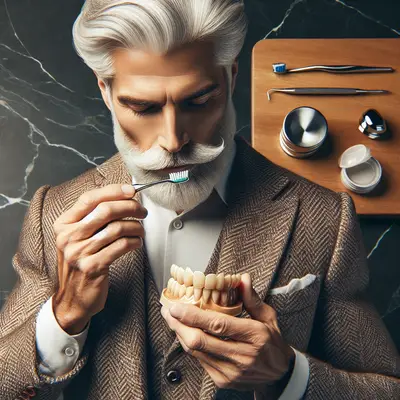
Maintaining a refined smile with dentures is less about dramatic routines and more about quiet precision. The most sophisticated denture wearers treat oral hygiene not as a chore, but as an understated daily ritual—one that protects their investment, preserves comfort, and ensures their prosthetic smile never betrays its secret. Beyond the basic advice to “clean your dentures daily,” there is a more nuanced layer of care that separates a serviceable smile from a truly impeccable one.
Below, you’ll find five exclusive, often-overlooked insights that elevate denture hygiene from adequate to exceptional.
The “Second Mouth” Mindset: Caring for Tissues as Carefully as Teeth
Many denture wearers meticulously clean the prosthesis itself, yet overlook the living foundation that supports it: the gums, palate, tongue, and underlying bone. Thinking of your mouth as two distinct but interconnected environments—the denture and the tissues—transforms the way you approach hygiene.
A premium routine involves gently brushing the gums, inner cheeks, and tongue with an ultra‑soft brush or a separate, dedicated tissue brush. This helps reduce biofilm, minimize odor, and maintain a healthier surface for your denture to rest on. Rinsing with an alcohol‑free antimicrobial mouthwash can further tame bacterial growth without drying the tissues, which is especially important for mature mouths that may produce less saliva. By pampering the soft tissues with the same care you give the appliance, you enhance fit, comfort, and long‑term oral health—an often‑ignored but essential refinement.
Precision Cleanliness: Treating Plaque on Dentures Like Plaque on Natural Teeth
Plaque that collects on dentures is biologically similar to plaque on natural teeth—harboring bacteria, encouraging stains, and contributing to bad breath. Yet many people treat denture cleaning as optional or cosmetic. A more elevated approach recognizes denture plaque as a genuine oral health threat.
Instead of relying on casual rinsing, adopt a methodical sequence: remove food debris, brush with a non‑abrasive denture cleanser (never regular toothpaste, which is often too abrasive), then use a soak specifically formulated for dentures or partials. Pay particular attention to the tissue‑facing surface of the denture, where biofilm clings most stubbornly. For those who wear partial dentures, clean natural teeth with floss and interdental brushes immediately after removing the prosthesis—this closes the “window of vulnerability” when plaque can be especially active. This precise, plaque‑focused mindset keeps your dentures looking refined while protecting your remaining teeth and delicate tissues.
The Nightly Reset: Turning Sleep Hours Into Oral Recovery Time
Sleeping in dentures may seem convenient—or even reassuring—but it quietly undermines both oral health and appliance longevity. Sophisticated oral hygiene uses the overnight hours as a recovery period for your mouth, not merely a break from smiling.
Removing dentures before bed allows the gums and palate to rest, improves blood flow to the tissues, and significantly reduces the risk of conditions such as denture stomatitis (inflammation often linked to fungal overgrowth). While your dentures soak in a fresh, cool or lukewarm cleaning solution (never hot water, which can warp them), your mouth should be gently brushed and rinsed, leaving tissues clean and unencumbered. Think of this as your “no‑makeup time” for your smile: restorative, breathable, and crucial to long‑term elegance. Over time, this nightly reset not only supports a healthier mouth but also helps dentures maintain their fit and appearance.
Micro‑Attention to Fit: Hygiene as a Guardian Against Subtle Irritation
Tiny irritations under a denture—rubbing spots, faint redness, or a slight change in the way it settles—are often dismissed as normal. However, those subtle shifts can be early warnings of plaque accumulation, fungal buildup, or changes in the underlying bone and gum shape. Treating fit issues as hygiene‑related signals, not mere comfort quirks, is a quietly powerful advantage.
Refined denture wearers inspect their mouths regularly in a mirror with good lighting, checking for pressure points, tissue changes, or white patches that could indicate infection or irritation. At the first hint of persistent soreness, they combine immaculate cleaning with a prompt visit to their dentist or prosthodontist to assess whether a reline or adjustment is needed. This micro‑attention prevents small hygiene lapses from becoming chronic discomfort or infection. The result is a smile that doesn’t just look polished but also feels impeccably balanced and at ease.
Saliva, Sips, and Subtle Choices: Hydration as a Hidden Hygiene Tool
Saliva is one of the mouth’s most elegant natural defenses: it helps neutralize acids, cleanse surfaces, and keep tissues supple. For many denture wearers—especially those taking certain medications—dry mouth quietly undermines both hygiene and comfort. Elevating your oral care means treating hydration not as an afterthought, but as a deliberate part of your regimen.
Regular sips of plain water throughout the day help rinse away food particles that can become trapped beneath dentures, while also supporting fresher breath. Choosing sugar‑free gum or lozenges containing xylitol (if appropriate for you) can gently stimulate saliva and discourage harmful bacteria. At the same time, limiting frequent snacking on sugary or acidic foods, and avoiding tobacco, reduces the microbial load that thrives on and under dentures. These subtle, daily choices create a cleaner, more stable environment for your prosthesis—quiet habits that yield a distinctly more refined outcome over time.
Conclusion
An exquisite denture smile is not defined solely by its craftsmanship, but by the care that surrounds it. When oral hygiene is approached with intention—with attention to tissues as well as teeth, precision cleaning, nightly restoration, early response to irritation, and thoughtful hydration—your prosthetic smile becomes nearly indistinguishable from a naturally well‑kept one.
For discerning denture wearers, these exclusive insights are less about doing more and more about doing things better: quieter, smarter, and with a level of refinement that allows your smile to speak for itself.
Sources
- American Dental Association – Dentures – Overview of types of dentures and basic care recommendations
- Mayo Clinic – Dentures: Common Questions – Guidance on wearing, cleaning, and maintaining dentures
- Cleveland Clinic – Dentures – Detailed explanation of denture care, fit, and potential complications
- National Institutes of Health (NIH) – Denture Stomatitis Review – Research overview of causes and prevention of denture‑related stomatitis
- MedlinePlus – Dry Mouth – Information on xerostomia, its causes, and management strategies relevant for denture wearers
Key Takeaway
The most important thing to remember from this article is that this information can change how you think about Oral Hygiene.