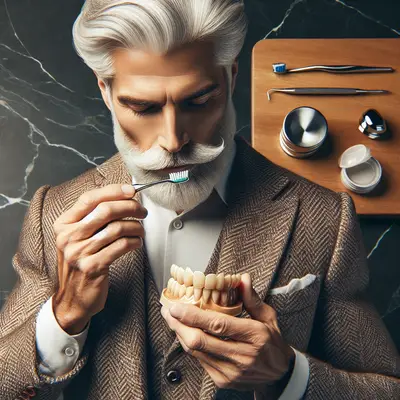
A refined smile is never an accident. It is the quiet result of considered choices, disciplined care, and a commitment to subtle excellence. For denture wearers, oral hygiene is no longer just about brushing—it becomes a curated ritual that protects your investment, preserves your comfort, and sustains the elegance of your prosthetic smile. This guide explores elevated oral hygiene practices designed specifically for discerning denture wearers, with five exclusive insights that move far beyond the basics.
Redefining “Clean”: Oral Hygiene as Daily Preservation
Oral hygiene with dentures is not only about removing visible debris; it is about preserving the health of the tissues, the integrity of the prosthesis, and the balance of the oral microbiome. Natural teeth may have been replaced, but your mouth remains a living, complex environment—one that deserves thoughtful stewardship.
A premium hygiene ritual acknowledges three simultaneous priorities: a meticulously clean denture, a healthy and resilient oral lining, and a stable, low‑inflammation foundation for long-term wear. Instead of relying solely on a quick brush and soak, the refined approach layers techniques: temperature-aware cleansing, pH-conscious products, and gentle stimulation of the gums and palate. The result is not simply a “clean denture,” but a mouth that feels consistently fresh, calm, and maintained—morning, midday, and evening.
Insight 1: Temperature-Aware Cleaning to Protect Denture Precision
Most care instructions warn vaguely against “hot water,” but for superior maintenance, temperature becomes a strategic choice rather than a casual detail. Acrylic denture materials can subtly warp when exposed to excessively hot water, compromising the fine-tuned fit your clinician carefully achieved. Even slight distortion can translate into sore spots, reduced suction, and an increased need for adhesive.
Choose comfortably lukewarm water—never steaming—for every stage of your hygiene ritual: rinsing after meals, brushing, and even dissolving cleaning tablets. This gentler approach preserves the exact curvature of your denture base and the precision of your bite surfaces. Over time, temperature-aware cleaning contributes to a more stable fit, fewer adjustments, and a more graceful chewing experience.
A secondary benefit: lukewarm water is kinder to delicate oral tissues. It avoids the micro-irritation that can accompany repeatedly rinsing with water that is too hot, particularly in older or more sensitive mouths. The result is a ritual that feels controlled, considered, and quietly protective.
Insight 2: Curating a Low-Inflammation Oral Environment
Many denture wearers fixate on plaque removal from the prosthesis but underestimate the importance of managing inflammation in the underlying tissues. Ill-fitting dentures, harsh cleansers, and residual biofilm can all contribute to chronic low-grade irritation, which in turn increases the risk of oral infections and sore spots.
Refined oral hygiene embraces gentle, anti-inflammatory support:
- Use a very soft toothbrush or dedicated gum brush to massage the gums, palate, and tongue once the denture is removed. The goal is to stimulate circulation without abrasion.
- Consider an alcohol-free, neutral or slightly alkaline mouth rinse; alcohol-based products can dry and irritate the tissues.
- If your clinician approves, integrate a saline rinse (a pinch of salt in a glass of lukewarm water) to soothe tissues and support a balanced environment.
- Remain alert to subtle changes—persistent redness, burning, or white patches warrant prompt professional evaluation.
This approach goes beyond “clean” to “calm.” A low-inflammation mouth is more comfortable, more resilient, and better able to support day-long denture wear without discomfort.
Insight 3: Precision Timing—Nightly Removal as a Health Investment
Sleeping in dentures can feel convenient, but the refined perspective treats overnight removal as nonnegotiable—a deliberate investment in long-term oral health rather than a mere recommendation. Continuous coverage traps moisture and reduces oxygen exposure, creating conditions that favor fungal overgrowth and tissue breakdown.
By removing dentures every night, you give the oral tissues an essential recovery period. Blood flow improves, microscopic pressure points can normalize, and the mucosa can “breathe.” At the same time, your prosthesis can be immersed in a suitable cleanser, ensuring a deeper, more complete decontamination than brief daytime rinses can achieve.
Make the transition from “occasionally” sleeping in dentures to “never by choice.” Anchor this habit to a consistent, almost ceremonial routine—remove, rinse, brush, inspect, then place the denture in fresh solution. You are not simply following instructions; you are preserving the health of the foundation your prosthesis depends on.
Insight 4: Beyond the Denture: Polishing the Entire Oral Landscape
An elegant oral hygiene ritual recognizes that everything in the mouth is interconnected. Even with full dentures, residual plaque and biofilm can assemble on the tongue, cheeks, and palate, influencing breath, taste, and overall freshness.
Once your denture is removed:
- Use a tongue scraper or soft brush to gently clean the tongue from back to front. This reduces odor-causing bacteria and enhances taste perception.
- Brush the palate and the inside of the cheeks lightly with a soft brush or moistened gauze; avoid vigorous scrubbing.
- If you wear partial dentures, devote special attention to the remaining natural teeth and any abutment teeth that support clasps. They are under increased functional demand and deserve impeccable care.
This “whole-mouth” focus creates a more consistent sense of cleanliness. When the denture is reinserted, it rests against tissues that are not merely free of visible debris but thoughtfully maintained—improving comfort, confidence, and day-long freshness.
Insight 5: Elegantly Managing Adhesives Without Residue
Denture adhesives can enhance comfort and security, but their refined use requires balance. Excessive adhesive can trap food, complicate cleaning, and create a chronic film on both the denture base and the tissues. The goal is minimalist support: just enough, placed thoughtfully, and removed completely.
Consider these elevated practices:
- Apply adhesive sparingly in thin, strategic lines or small dots rather than continuous heavy layers.
- At the end of the day, remove all visible adhesive from the denture using lukewarm water and a denture brush; avoid sharp tools that can scratch the acrylic.
- Clean your gums and palate with a soft cloth or gauze moistened with warm water to gently lift any residual adhesive from the tissues.
- If you find yourself increasing the amount of adhesive over time to achieve stability, treat this as a signal to schedule a fit assessment with your dentist—it may indicate that a reline or adjustment is due.
Mastering adhesive management keeps the prosthesis feeling refined and weightless rather than sticky or cumbersome, and it supports a consistently clean oral environment.
Integrating Professional Care into Your At-Home Ritual
Even the most meticulous personal routine benefits from expert oversight. Regular dental visits remain vital for denture wearers—not only to evaluate the fit and condition of the prosthesis, but to assess the health of the soft tissues and screen for oral cancer and other pathologies.
During these appointments, invite a more tailored perspective on your home care ritual. Ask your clinician to evaluate your brushing technique, cleanser choices, and adhesive use in the context of your unique anatomy and medical history. They may recommend specific formulations—such as non-abrasive cleaners, fluoride for remaining teeth, or targeted rinses—that complement your existing routine.
Professional polishing of the denture can also restore luster, smooth minor surface roughness, and reduce plaque adherence. Paired with your daily, temperature-aware, low-inflammation practices, these periodic refinements help maintain a consistently polished, healthy, and dignified smile.
Conclusion
For the discerning denture wearer, oral hygiene is far more than a maintenance task; it is an intentional ritual that protects comfort, health, and aesthetic poise. By elevating seemingly small details—water temperature, nighttime removal, tissue care, whole-mouth cleansing, and precise adhesive use—you cultivate an oral environment that feels as composed as it looks.
Impeccable oral harmony is achieved not by grand gestures, but by quiet, consistent refinements. With a thoughtfully designed routine and regular professional guidance, your dentures can remain a seamless extension of your presence—reliable, comfortable, and elegantly cared for every single day.
Sources
- American Dental Association – Dentures - Overview of denture types, care recommendations, and professional guidance for wearers
- Mayo Clinic – Dentures: Common Questions - Clinical perspective on living with and maintaining dentures
- National Institutes of Health (NIH) – Denture Stomatitis Review - Research-based discussion of inflammation and fungal infections in denture wearers
- Cleveland Clinic – Oral Hygiene Basics - Foundational oral hygiene principles that inform best practices for denture care
- University of Rochester Medical Center – Oral Health and Aging - Educational resource on oral health considerations in older adults, including denture-related issues
Key Takeaway
The most important thing to remember from this article is that this information can change how you think about Oral Hygiene.