Elegance in denture wear is rarely about grand gestures; it is crafted in the quiet, consistent rituals that preserve comfort, clarity of speech, and a naturally refined smile. Thoughtful maintenance turns a standard prosthesis into a seamless extension of you—reliable, discreet, and polished. This guide moves beyond basic instructions to explore elevated practices that keep your dentures, and the tissues beneath them, in their finest condition.
Establishing a Gentle Yet Thorough Daily Routine
A premium maintenance ritual begins with intention, not intensity. Harsh scrubbing, hot water, or random products can prematurely dull acrylic surfaces, distort the fit, and irritate delicate oral tissues. Instead, think of your daily care as curating the longevity of a fine piece—measured, consistent, and precise.
Rinse dentures under cool to lukewarm running water after each meal to remove loose food particles before they dry and harden on the surface. In the evening, brush them with a soft-bristled brush designed specifically for dentures and a non-abrasive denture cleanser; regular toothpaste is often too abrasive and can create microscopic scratches that harbor bacteria and stains. Always brush the inner surfaces as diligently as the outer ones, as plaque accumulation where the denture contacts your gums can aggravate the underlying tissue. Rinse thoroughly to remove any cleanser residues, particularly if you have sensitive oral mucosa. This gentle, methodical approach preserves both the appearance and structural integrity of your prosthesis.
Protecting the Foundation: Caring for Gums, Bone, and Soft Tissues
Dentures do not exist in isolation—they rest upon living tissue that must be preserved with as much care as the prosthesis itself. Neglecting the gums and underlying bone can lead to soreness, accelerated bone resorption, and an increasingly unstable fit over time.
Each day, remove your dentures and carefully massage your gums with a soft toothbrush or a clean, damp gauze pad. This stimulates circulation, helps maintain tissue tone, and removes plaque from areas the denture normally covers. If you wear a full upper denture, gently brush the palate as well to discourage fungal overgrowth and bad breath. For partial denture wearers, brush natural teeth meticulously, paying special attention to areas where clasps and metal components contact the enamel, as these regions are more prone to plaque buildup and decay. If you experience any persistent redness, burning, or white patches beneath your denture, prioritize an examination with your dentist—early intervention can prevent more complicated infections and adjustments later.
Insight 1: The “Dry Rest” Interval for Tissues
One understated yet valuable habit is giving your mouth a predictable “dry rest” interval every 24 hours. Wearing dentures continuously, including overnight, deprives the tissues of fresh air and natural cleansing, creating an ideal environment for irritation and fungal infections.
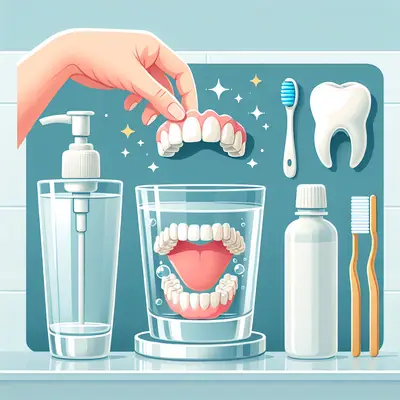
Remove your dentures for at least six to eight hours daily—most people choose nighttime. During this interval, store the dentures in water or a denture-soaking solution to prevent warping, while your gums remain clean and free of coverage. If sleeping without dentures feels unsettling, begin by removing them for a few hours during quiet time at home, then gradually extend the interval. Over time, many patients find that this routine improves comfort, reduces sore spots, and contributes to a fresher, healthier-feeling mouth upon waking.
Insight 2: Precision Soaking that Preserves Fit and Finish
An overnight soak is not merely routine; it is an opportunity to maintain hygiene and protect the fine details of your prosthesis. However, indiscriminate use of soaking products may compromise metal components or delicate liners.
Select a soaking solution specifically labeled for your type of denture—full acrylic, partials with metal frameworks, or dentures with soft liners. Follow the recommended time exactly; prolonged soaking in strong solutions can fade pink acrylic, corrode metal clasps, or harden soft liners. Always rinse thoroughly before placing the denture back in your mouth to avoid chemical irritation or altered taste. For patients with a history of dry mouth or tissue sensitivity, alternating between enzymatic cleansers and milder tablets can strike a balance between maximal cleaning and gentle care of underlying tissues. Think of your soaking routine as a finely tuned treatment rather than a generic step.
Insight 3: Managed Adhesive Use as a Stability Strategy
Denture adhesive, when used appropriately, can enhance stability and confidence—especially during social events, travel, or extended speaking engagements. However, relying heavily on adhesive to compensate for an ill-fitting denture can mask problems that deserve professional attention.
Apply adhesive sparingly in thin strips or small dots, never as a continuous thick layer. Excess adhesive not only feels uncomfortable but can ooze onto the edges, trapping food particles and making cleaning more challenging. If you find yourself increasing the amount of adhesive over time just to feel secure, take this as an early indicator that your denture may need adjustment, relining, or replacement. Prioritize a dental visit over simply doubling adhesive; this preserves oral tissues and ensures a refined, natural feel instead of a compromised, makeshift fit.
Insight 4: A Stain-Conscious Lifestyle Without Sacrificing Pleasure
Refined denture maintenance extends beyond the bathroom sink and into the choices you make at the table. Certain foods and drinks can leave lingering stains or odors, while others contribute to plaque and tartar buildup on both dentures and natural teeth.
If you enjoy coffee, tea, red wine, or richly pigmented sauces, consider rinsing with water shortly after consumption to minimize surface staining. Gently brushing the denture at day’s end becomes even more critical when your diet includes staining agents. Smoking, beyond its general health risks, significantly discolors denture teeth and increases the chance of fungal infections under full dentures—cutting back or quitting will reward you with a cleaner, more luminous smile and healthier tissues. Regularly inspect your denture under bright light; early, faint discolorations are far easier to manage than deeply set stains that require professional polishing.
Insight 5: Scheduled Professional Refinement as a Non-Negotiable
Even the most meticulous home routine cannot replace the precision of professional oversight. Denture materials and the shape of your mouth evolve over time; a prosthesis that was ideal at delivery can become subtly less harmonious as months and years pass.
Commit to regular dental reviews, typically every 6 to 12 months, even if everything feels “good enough.” During these visits, your dentist can check for pressure points, assess bone and gum health, evaluate your bite, and perform a professional clean and polish of your dentures. Relining or rebasing, when indicated, can significantly improve comfort and function without the need for a completely new appliance. This proactive approach prevents chronic irritation, improves chewing efficiency, and maintains the refined, natural appearance that aligns with how you wish to present yourself—composed, confident, and cared for.
Conclusion
Thoughtful denture maintenance is less about rigid rules and more about an elevated standard of self-care. By attending to both the prosthesis and the tissues that support it—with daily gentleness, strategic rest periods, precise soaking, measured adhesive use, stain-conscious choices, and scheduled professional refinement—you transform routine upkeep into an investment in long-term comfort and poise. When these practices become second nature, your dentures quietly do what they were meant to do: support your life, not define it.
Sources
- American Dental Association – Dentures - Overview of denture types and care recommendations
- Mayo Clinic – Dentures: How to Care for Them - Practical guidance on daily cleaning, soaking, and maintenance
- Cleveland Clinic – Dentures - Information on fit, adjustments, and long-term management
- National Institutes of Health (NIH) – Denture Stomatitis Review - Clinical insights into tissue health under dentures and prevention strategies
- Columbia University College of Dental Medicine – Caring for Your Dentures - Educational resource detailing best practices for denture hygiene and tissue care
Key Takeaway
The most important thing to remember from this article is that this information can change how you think about Maintenance Tips.