Denture care, at its finest, is less about merely maintaining a prosthesis and more about curating an experience—one in which comfort, confidence, and discretion coexist seamlessly. For discerning denture wearers, the difference between “good enough” and “exceptional” lies in details that are often overlooked in standard advice. This guide explores five exclusive, elevated insights that transform denture care from routine maintenance into a refined, personalized practice.
Insight 1: Timing Your Routine to Match Your Mouth’s Natural Rhythm
Your mouth is not static; its temperature, saliva composition, and tissue resilience fluctuate throughout the day. Aligning your denture care with these natural rhythms can markedly enhance comfort and longevity.
Mornings, for example, are ideal for performing your most thorough cleaning ritual. Overnight, biofilm accumulates on both the prosthesis and oral tissues. Cleaning your dentures before breakfast—not after—helps prevent trapping bacteria and food particles against an already compromised surface. In contrast, evening is the moment to prioritize tissue recovery: removing dentures well before sleep, cleansing them, and then allowing your gums at least an hour of “uncovered” time before bed helps restore circulation and reduce the risk of sore spots.
This intentional timing extends to adhesive use as well. Applying adhesive to thoroughly dry dentures and tissues at a consistent time each day allows you to observe patterns in fit and function—subtle afternoon looseness, for instance, may hint at minor bone resorption or weight changes that deserve a professional evaluation. The goal is a rhythm: cleanse, rest, wear, and reassess on a predictable schedule that serves both the prosthesis and the tissues it rests upon.
Insight 2: Curating a “Denture Wardrobe” of Products, Not Just One Solution
Refined denture care rarely relies on a single, all-purpose product. Instead, think in terms of a “denture wardrobe”—a curated suite of carefully chosen items, each with a distinct role, much like tailoring your skincare or wardrobe to different occasions.
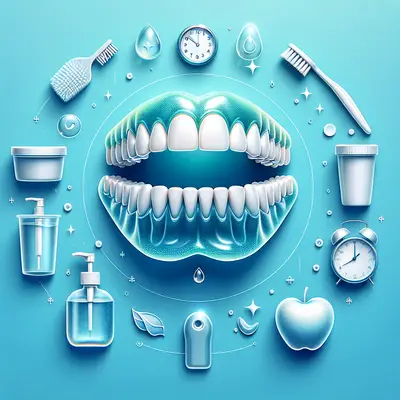
A non-abrasive denture cleanser tablet is essential for daily soaking, preserving surface integrity and reducing microbial load. Yet, a separate soft-bristled denture brush is invaluable for precision cleaning along the borders, clasps (for partials), and textured surfaces that tablets alone will never fully reach. For those with dry mouth, a specialized saliva substitute or moisturizing gel may be as crucial as adhesive, enhancing comfort and protecting delicate mucosa.
Even adhesive benefits from a refined approach. Some days may call for a cream formula that allows nuanced placement; other occasions—such as a long event or professional engagement—may justify the stronger hold of powder or strips, provided they are used judiciously and removed thoroughly at day’s end. By assembling a small, well-edited collection of products tailored to your denture type, lifestyle, and oral environment, you elevate daily care into something more intentional, effective, and dignified.
Insight 3: Precision Hydration—For Both Dentures and Oral Tissues
Hydration is often discussed in broad strokes, yet for denture wearers, the precise way you hydrate both your mouth and your prosthesis can dramatically influence comfort, stability, and long-term oral health.
Acrylic dentures benefit from being kept moist when not in use; allowing them to dry out can cause microscopic changes to the material, affecting fit and surface smoothness. However, soaking in very hot water or harsh, undiluted cleaning agents can warp or degrade them. A nuanced approach involves using cool or room-temperature water with a recommended cleanser, and ensuring the container is covered to minimize contamination and evaporation. The goal is a consistent, gentle environment rather than sporadic, aggressive cleaning.
For your oral tissues, hydration moves beyond simply drinking water. Many medications, including those for blood pressure, depression, allergies, and pain, can reduce saliva flow. Discussing dry mouth with your clinician, adjusting medications where possible, and incorporating targeted strategies—sugar-free xylitol lozenges, alcohol-free mouthrinses, and overnight moisturizing gels—can transform the way your dentures feel against your gums. Proper hydration supports cushioning, reduces friction, and enhances the natural adhesive quality of saliva, helping your dentures rest more harmoniously in place.
Insight 4: Micro-Adjustments in Diet That Protect Both Fit and Elegance
Dietary advice for denture wearers often focuses on “what you can still eat.” A more refined approach asks: how can you eat in a way that preserves fit, function, and social ease?
Instead of eliminating textures entirely, think about modifying form. Crisp fruits can be sliced thinly rather than bitten into; lean meats can be slow-cooked or cut into smaller pieces to minimize pulling forces on the prosthesis. Whole grains and fibrous vegetables remain important, but can be prepared in softer forms—think roasted root vegetables instead of raw, or steel-cut oats rather than crusty breads that challenge stability.
There are also subtle dietary choices that protect the underlying bone and tissues that support your dentures. Calcium- and vitamin D–rich foods, along with adequate protein, support jawbone health, particularly for those at risk of osteoporosis. Limiting frequent snacking on highly acidic or sugary foods helps preserve the delicate balance of the oral microbiome, reducing irritation and sore spots. These micro-adjustments allow you to dine with confidence—privileging both enjoyment and the long-term integrity of your prosthesis.
Insight 5: Establishing a Clinical “Routine of Record” With Your Dentist
While daily care is performed at home, the most elevated denture experience is anchored in an ongoing, documented partnership with your dental professional. This goes beyond scheduling an annual check-up; it involves creating a “routine of record” that tracks subtle changes over time.
At each visit, request specific notes on fit, pressure points, bite alignment, and tissue health, and ask your clinician to compare them to previous records. Photographs, pressure-indicating paste mapping, and periodic radiographs (when indicated) can reveal gradual bone remodeling long before you feel looseness or discomfort. This early insight allows for gentle relines or occlusal refinements rather than waiting for a complete remake.
Additionally, use these visits to revisit your product wardrobe and routine: are your cleaning methods preserving the prosthesis surface, or is there slight abrasion? Is your adhesive pattern still appropriate, or has your anatomy changed? Do medications or systemic conditions (such as diabetes or osteoporosis) require you to recalibrate your expectations and care rituals? Treat these clinical appointments as strategic reviews rather than mere problem-solving visits. The result is not only better health but a smoother, more predictable daily experience that aligns with a refined, well-managed lifestyle.
Conclusion
Exquisite denture care does not depend on elaborate rituals so much as on thoughtful, informed choices—made consistently and with attention to nuance. By aligning your routine with your mouth’s natural rhythms, curating a purposeful product wardrobe, hydrating prosthesis and tissues with intention, subtly refining your diet, and maintaining a documented, collaborative relationship with your dental team, you elevate your dentures from a functional device to a well-integrated element of your daily elegance. In this space, comfort and confidence are not occasional achievements, but the quiet standard you uphold every day.
Sources
- American Dental Association – Caring for Dentures - Overview of professional recommendations for cleaning, handling, and maintaining dentures
- Mayo Clinic – Dry Mouth (Xerostomia) - Explains causes and management of dry mouth, highly relevant to denture comfort and adhesive performance
- Cleveland Clinic – Dentures: Types, Care & Maintenance - Provides clinical guidance on denture types, fit, and long-term maintenance strategies
- National Institutes of Health – Nutrition and Oral Health - Discusses how dietary choices influence oral tissues and overall oral health, applicable to denture wearers
- National Institute of Dental and Craniofacial Research – Oral Health for Older Adults - Offers evidence-based information on aging, oral tissues, and prosthetic considerations such as dentures
Key Takeaway
The most important thing to remember from this article is that this information can change how you think about Denture Care.