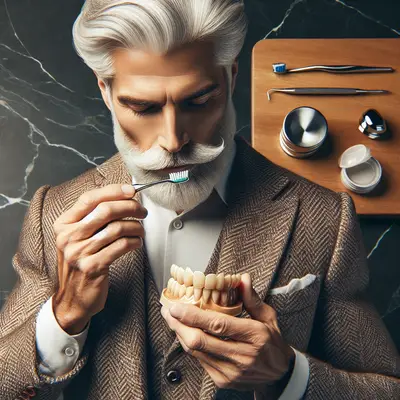
A well-kept smile is never accidental; it is the result of thoughtful choices, quiet discipline, and refined habits. For denture wearers, oral hygiene is no longer just about brushing—it becomes a curated ritual that protects both health and aesthetics. This article explores elevated, evidence-informed practices that move beyond the basics, offering five exclusive insights designed for those who expect more from their daily care.
Rethinking “Clean”: Treating Dentures as Precision Prosthetics
Dentures are not simply replacement teeth; they are medical-grade prosthetics with materials that respond distinctly to temperature, pH, and mechanical force. Treating them like natural teeth—vigorous brushing with regular toothpaste, hot water soaks, or abrasive pastes—can quietly erode their finish, create microscopic scratches, and invite staining and bacterial buildup.
Instead, approach your dentures more like a fine instrument or a luxury accessory: handle with deliberate care, avoid harsh chemicals not recommended by your clinician, and favor lukewarm water to preserve structural integrity. Use a soft denture brush and a non-abrasive, denture-specific cleanser for routine cleaning. This mindset shift alone elevates your hygiene protocol from “good enough” to “preservation-grade,” prolonging comfort, appearance, and fit—hallmarks of a truly polished smile.
The Underestimated Foundation: Curating a Pristine Oral Environment
Even the most meticulously cleaned dentures can be compromised if the mouth itself—the gums, tongue, palate, and any remaining natural teeth—is not treated with equal intention. A refined routine acknowledges that dentures rest on living tissue, and that tissue must be impeccably cared for.
Prior to reinserting your dentures, gently massage the gums with a soft toothbrush or clean fingertip to promote circulation and support tissue resilience. Clean the tongue thoroughly to reduce bacterial load and volatile sulfur compounds associated with bad breath. If you have remaining natural teeth, use a fluoride toothpaste and floss or interdental brushes to protect them from decay that could complicate your prosthetic fit in the future. This curated oral environment not only feels fresher but also supports long-term comfort, reducing the risk of irritation, fungal overgrowth, and denture stomatitis.
The Nighttime Advantage: Transforming Sleep into a Restoration Phase
While it may be tempting to sleep with dentures in place for convenience or aesthetics, doing so can quietly undermine both health and hygiene. Nighttime is the body’s natural restoration phase, and your oral routine should reflect that. Sleeping without dentures allows the tissues to rest, recover from daily pressure, and maintain better blood flow.
In this overnight window, keep your dentures submerged in a denture-cleaning solution or plain water as recommended by your dentist to prevent warping or drying. Concurrently, consider an elevated nighttime protocol for the mouth itself: a gentle saline rinse to calm the tissues, followed by any prescribed antifungal or fluoride products. This two-track approach—dentures soaking while the mouth recovers—creates a deliberate separation between functional hours and restoration hours, mirroring the way fine garments are rotated and carefully stored between uses.
A Discreet Approach to Adhesives: Precision Rather Than Excess
For many denture wearers, adhesive is part of daily life—but elegance lies in restraint and precision, not over-application. Excess adhesive does not equate to better hold; instead, it can migrate onto soft tissues, trap food particles, and complicate cleaning, subtly undermining both comfort and hygiene.
Work with your dentist to identify the correct type and quantity of adhesive for your specific prosthesis and bite. Apply in thin, well-placed strips or dots rather than heavy, continuous layers. At the end of the day, commit to a meticulous removal ritual: gently lift the dentures as directed, then remove residual adhesive from both the prosthesis and oral tissues. A warm saltwater rinse can assist in dissolving remnants without harsh scrubbing. This measured approach ensures stability without sacrificing cleanliness, and it maintains the refined feeling of a denture that is secure yet never suffocating to the tissues beneath.
Microbiome Mindfulness: Supporting Oral Health Beyond the Surface
Advanced oral hygiene for denture wearers extends beyond what can be seen or felt on the acrylic surface. The oral microbiome—a complex community of bacteria and fungi—plays a pivotal role in breath quality, tissue health, and long-term comfort. Ill-fitting, poorly cleaned, or constantly worn dentures can shift this ecosystem toward imbalance, contributing to infections such as oral thrush and painful inflammation of the palate.
Cultivating a healthier microbiome starts with consistency in cleaning and airing out the tissues, but it may also include more nuanced strategies. Discuss with your dentist whether an alcohol-free antiseptic mouthwash, targeted antifungal treatment, or specific dry-mouth products might be appropriate for you, especially if you take medications or have conditions that reduce saliva flow. Staying adequately hydrated throughout the day, limiting frequent sugar exposure, and scheduling regular professional cleanings and oral exams all work together to maintain a stable, healthier oral environment. The result is hygiene that does more than polish the surface—it supports the invisible ecosystem that underpins lasting comfort and confidence.
Conclusion
Oral hygiene with dentures is far more sophisticated than simply brushing and soaking. It is a thoughtful choreography: honoring the materials of your prosthesis, nurturing the living tissues beneath, leveraging nighttime as a restoration phase, using adhesives with surgical precision, and safeguarding the oral microbiome. When approached with this level of refinement, your daily routine becomes more than maintenance—it becomes a quiet investment in resilience, elegance, and the kind of enduring confidence that never needs to announce itself.
Sources
- American Dental Association – Dentures - Overview of denture care, cleaning recommendations, and professional guidance
- Mayo Clinic – Dentures: How to Care for Them - Practical advice on daily care, fit, and oral health considerations
- Cleveland Clinic – Dentures - Detailed explanation of denture types, maintenance, and common issues
- National Institutes of Health (NIH) – Oral Candidiasis Review - Clinical discussion of oral fungal infections, a key concern for denture wearers
- Colgate Oral Care Center – Caring for Dentures - Consumer-friendly guide on proper cleaning techniques and product use
Key Takeaway
The most important thing to remember from this article is that this information can change how you think about Oral Hygiene.