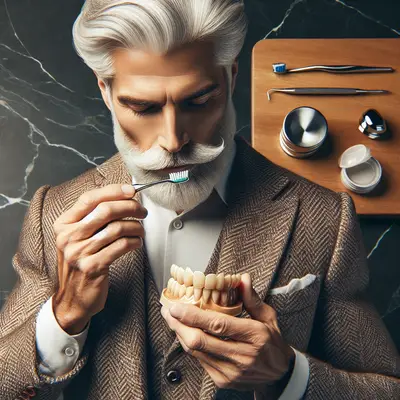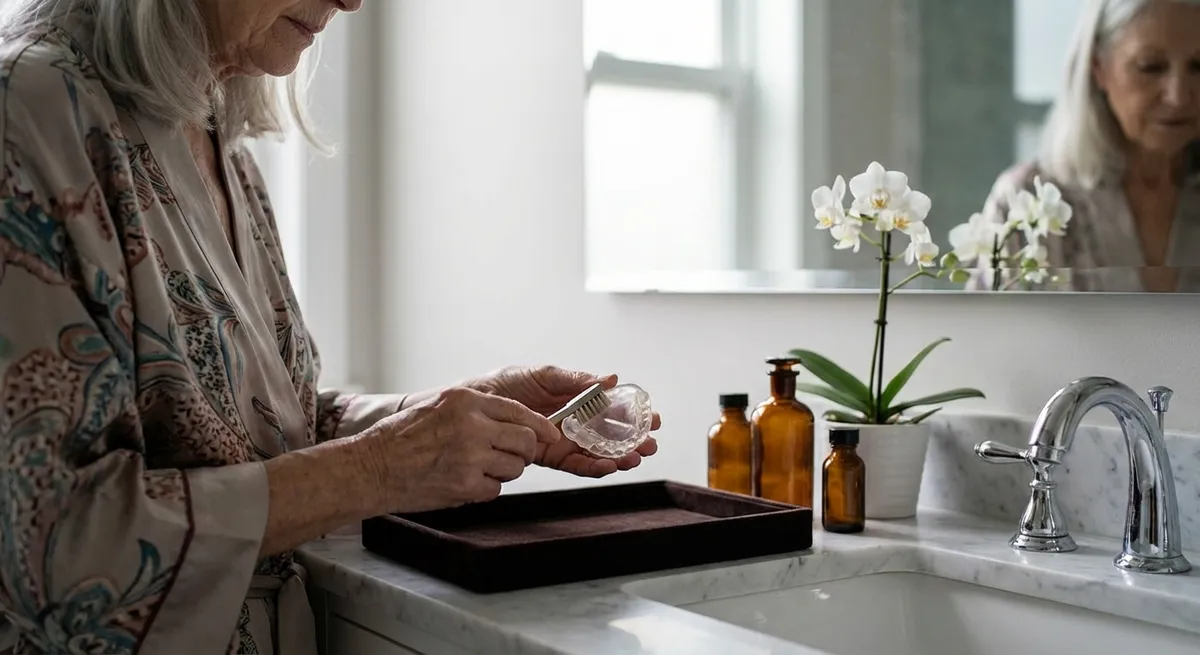
Oral hygiene with dentures is far more than a functional routine; it is a quiet ritual of self-respect. For those who appreciate refinement, the goal is not merely a clean prosthesis, but a harmonious environment for the entire mouth: gums, tongue, palate, and the delicate balance of the oral microbiome. Thoughtful, consistent care transforms dentures from “appliance” to “tailored companion,” preserving both comfort and elegance in daily life.
Below are five exclusive, often-overlooked insights that sophisticated denture wearers can integrate into a truly elevated oral care ritual.
Rethinking “Clean”: Why Your Mouth, Not Just Your Dentures, Matters
Many denture wearers equate hygiene with cleaning the appliance alone. In reality, the foundation of a comfortable, long-lasting denture experience is the health of the tissues beneath and around it.
The gums, palate, tongue, and any remaining natural teeth form a living ecosystem that directly influences how your dentures feel, fit, and even smell. Plaque does not respect boundaries: it accumulates on acrylic, metal clasps, and soft tissue alike. Neglecting the oral tissues while meticulously scrubbing the denture can result in irritation, fungal overgrowth (such as denture stomatitis), and persistent bad breath, even when the prosthesis appears pristine.
A refined routine therefore treats the mouth as the main stage and the dentures as carefully curated accessories. A soft-bristled brush or moistened gauze for the gums, a gentle tongue cleanser for the dorsal surface of the tongue, and targeted care around any remaining teeth prevents the inflamed, overworked tissues that eventually compromise denture comfort. The most polished result comes when the mouth itself is given equal, if not greater, attention than the denture.
The Nighttime Advantage: Treating Sleep as Your Oral Recovery Window
Sophisticated denture care acknowledges that sleep is not merely a break from the day, but a regenerative window for the oral tissues. Leaving dentures in around the clock, particularly overnight, deprives gums of vital rest and air exposure, trapping moisture and microorganisms against the mucosa.
Removing dentures at night—unless your dentist has advised otherwise for specific reasons—allows the soft tissues to recover from the constant pressure of the prosthesis. This reduction in mechanical stress lowers the risk of sore spots, bone resorption, and chronic irritation. It also decreases the likelihood of fungal infections such as Candida overgrowth, which thrive in warm, covered environments.
While your dentures rest in a dedicated soaking solution, your mouth regains its natural balance. Light fingertip massage of the gums with a clean, damp finger or soft brush can encourage circulation, while a final rinse with plain water or an alcohol-free mouthrinse supports comfort. Think of night as your mouth’s private spa appointment—quiet, restorative, and essential to long-term denture harmony.
Beyond Brushing: Precision Care for the Oral Microbiome
An elegant approach to oral hygiene considers not just removal of debris, but the stewardship of the oral microbiome—the community of bacteria and fungi that live in your mouth. Dentures alter airflow, saliva flow, and surface area, subtly shifting this microbial balance.
Overly harsh routines—scrubbing with abrasive toothpaste, frequent use of high-alcohol mouthrinses, or soaking in undiluted bleach solutions not recommended by professionals—can irritate tissues and may disrupt the microbial equilibrium. Conversely, lax routines allow plaque biofilm to harden into calculus on the denture surface, creating a rough texture that harbors odor-causing bacteria and stains.
A more measured strategy includes:
- Using a non-abrasive denture cleanser (or mild dish soap approved by your dentist) instead of conventional toothpaste, which can scratch acrylic.
- Choosing an alcohol-free antimicrobial mouthrinse when appropriate, especially if you have dry mouth or sensitive tissues.
- Regular professional checkups and cleanings, particularly if you wear partial dentures with clasps around natural teeth, where plaque tends to accumulate.
This calibrated care respects both the sophistication of dental materials and the nuanced biology of your oral environment, supporting freshness without harshness.
Subtle Comfort Adjustments: Managing Dry Mouth, Temperature, and Texture
Exclusive comfort comes from attention to details that many overlook: saliva, temperature, and texture. Denture wearers—especially those taking certain medications or of more mature age—frequently experience xerostomia (dry mouth), which makes the denture less stable and the tissues more susceptible to friction and microtrauma.
Hydration alone is often insufficient. Thoughtful adjustments might include:
- Discussing saliva substitutes or prescription options with a dentist or physician if dryness is persistent.
- Choosing alcohol-free products and avoiding frequent use of harsh mouthrinses that further reduce moisture.
- Sipping water throughout the day, and using sugar-free xylitol gum or lozenges if recommended, to stimulate natural saliva flow.
Temperature and texture also quietly influence comfort. Very hot liquids can slightly alter denture fit in the short term and may sensitize underlying tissues; extremely hard or sticky foods can exert uneven pressure. A refined palate learns to favor foods that are pleasurable yet kind to dentures and supporting tissues—tender cuts of protein, gently cooked vegetables, and thoughtfully prepared textures that allow for confident, unhurried dining. Oral hygiene then becomes not just a morning and evening act, but a continuous, tasteful calibration through the day.
Integrating Aesthetic Preservation Into Everyday Care
A premium denture experience honors aesthetics as much as function. Staining, fine surface scratches, and subtle odor can quietly erode confidence, even if the denture remains structurally sound. Protecting the visual and sensory elegance of your appliance is therefore central to oral hygiene.
Aesthetic preservation entails more than avoiding obvious culprits like tobacco. Highly pigmented beverages (red wine, black coffee, strong tea) and certain spices can gradually discolor denture surfaces, especially if plaque is allowed to remain. Thorough rinsing with water after consuming these items, followed by your regular cleaning routine, significantly limits staining.
Equally important is how you clean. Abrasive powders and hard-bristled brushes may create microscopic grooves in acrylic teeth and bases, making them more prone to discoloration and plaque adherence. A dedicated denture brush with soft bristles and non-abrasive cleanser preserves the lustre and smoothness that give dentures their life-like appearance. Periodic professional polishing by your dental provider can restore brightness in a way that home care alone cannot achieve.
In this way, oral hygiene becomes an ongoing curation of your “signature smile”—discreetly ensuring that your dentures retain their clarity, translucency, and freshness, day after day.
Conclusion
Refined oral hygiene with dentures is a study in thoughtful detail. It recognizes the mouth as a living, dynamic environment; respects the need for nightly recovery; works in harmony with the oral microbiome; anticipates comfort issues before they become problems; and preserves the visual elegance of your smile.
By embracing these five exclusive insights—caring for the mouth as carefully as the denture, honoring nighttime as a recovery window, balancing microbial health, fine-tuning comfort, and protecting aesthetics—you elevate denture care from routine maintenance to a quietly luxurious ritual. The result is not only a well-maintained prosthesis, but a serene, confident experience every time you speak, smile, and dine.
Sources
- American Dental Association – Dentures – Overview of denture types, care basics, and professional guidance
- Mayo Clinic – Denture Care: How to Care for Dentures – Practical recommendations on cleaning, handling, and wearing dentures
- Cleveland Clinic – Dentures – Detailed explanation of denture use, maintenance, and common issues
- National Institutes of Health (NIH) – Denture Stomatitis Review (PMC) – Research-based discussion of denture-related fungal infections and risk factors
- NHS (UK) – Dentures: Advice – Official guidance on cleaning, wearing, and caring for dentures to preserve oral health
Key Takeaway
The most important thing to remember from this article is that this information can change how you think about Oral Hygiene.