There is a quiet confidence that comes from knowing your dentures are not merely “clean,” but impeccably maintained. Beyond basic brushing and soaking, there is a more refined approach—one that treats your dentures as carefully as a bespoke garment or a precision timepiece. This level of attention does more than protect your investment; it enhances comfort, preserves aesthetics, and supports the health of your entire mouth.
The following maintenance insights are designed for denture wearers who appreciate nuance, subtle upgrades, and standards that sit just above the ordinary. Each practice is a small refinement on its own—but together, they elevate your daily routine into a thoughtful ritual of care.
1. Curate a Dedicated Denture Care Station at Home
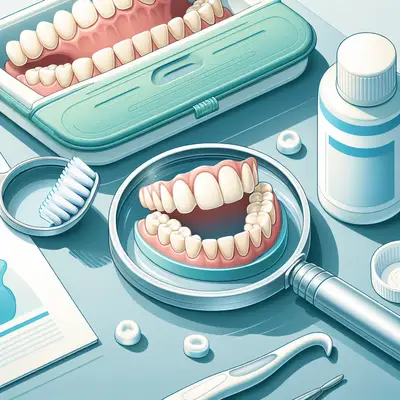
Instead of treating denture care as an afterthought at the bathroom sink, create a dedicated care station—somewhere calm, well‑lit, and organized. Arrange your essentials on a small tray or in a drawer organizer: a soft‑bristled denture brush, a non‑abrasive cleanser, a designated soaking container with a lid, and a lint‑free cloth for gentle drying. This simple act transforms cleaning from a rushed chore into a considered ritual, reducing the risk of drops, chips, and accidental damage.
Good lighting is critical; it allows you to scrutinize every contour for plaque, staining, or micro‑cracks before they become issues. A padded or folded towel beneath your work area offers additional protection if the denture slips from your hands. By designing a purposeful, orderly space—rather than improvising at the edge of a crowded sink—you reduce wear and tear, improve consistency, and signal to yourself that your oral health deserves deliberate attention.
2. Treat Temperature and Timing as Precision Tools
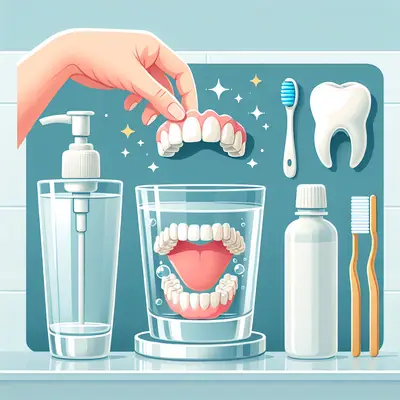
Water temperature and soaking duration are often overlooked, yet they play a substantial role in preserving both fit and finish. Denture materials can subtly warp when exposed to hot water, undermining comfort and stability over time. Always use cool or lukewarm water for rinsing and cleaning; anything hotter than what you’d comfortably use on your skin is too warm for your dentures. This protects the delicate balance of their structure while still allowing effective cleansing.
Equally important is resisting the urge to “over‑soak.” While overnight immersion in a recommended solution is ideal, leaving dentures in cleanser for excessively long periods can prematurely fatigue certain materials or affect metal components. Follow the product’s timing instructions precisely, then switch to plain water if you prefer extended storage. This measured approach—never rushed, never careless—helps maintain structural integrity, surface smoothness, and longevity without compromising hygiene.
3. Adopt a Two‑Phase Clean: Surface First, Precision Second
Instead of one hurried scrub, approach denture maintenance as a two‑phase process that mirrors professional detailing. The first phase is a thorough yet gentle “surface clean”: rinse under running water to remove loose debris, then use a soft denture brush with a non‑abrasive cleanser to work across all visible surfaces. Focus on even, light pressure to avoid scratching, and be mindful of clasp areas or attachments if you wear partials.
The second phase is where refinement lives: a precision inspection and touch‑up. After rinsing, pause and visually examine the denture from multiple angles, ideally under that dedicated station lighting. Look closely around the tooth‑gum junction, under any metal components, and along the palate or base, where plaque film commonly lingers. Use a separate, ultra‑soft brush or small interdental brush only where necessary for detail work—never aggressively, never hurried. This two‑level approach minimizes abrasion, enhances cleanliness, and helps you catch emerging issues early, from hairline fractures to subtle staining.
4. Synchronize Denture Care With Oral Tissue Recovery
Flawless denture maintenance extends beyond the appliance itself; it respects the tissues that support it. The most sophisticated routine acknowledges your mouth’s need for “off‑time.” Remove your dentures for a substantial, consistent interval every 24 hours—often overnight—to allow the gums and palate to rest, breathe, and recover from pressure. This helps prevent soreness, fungal buildup, and long‑term tissue changes that can compromise fit.
While your dentures are soaking, elevate your care with a minimalist yet attentive oral routine. Gently brush your gums, tongue, and palate with a soft toothbrush and warm water, or a non‑foaming cleanser recommended by your dentist. This keeps circulation active, removes plaque, and supports a fresher, healthier foundation for your dentures. The result is a more stable fit, better breath, and a sensation of oral comfort that feels genuinely polished rather than merely “acceptable.”
5. Schedule Seasonal “Fit & Finish” Checks With Intention
Just as you might service a fine watch or have a tailored garment adjusted over time, your dentures benefit from planned, proactive reviews. Instead of waiting for irritation or slipping to force an appointment, treat professional checks as a seasonal ritual—ideally every six months, or as recommended by your provider. During these visits, your dentist can assess fit, examine the health of your oral tissues, and perform expert cleaning that targets what everyday routines can miss.
Use these appointments as an opportunity to review your care practices on a more refined level. Ask about any micro‑stains, subtle odors, or minor changes in comfort you have noticed. A slight adjustment, reline, or professional polish can transform your daily experience from “fine” to truly effortless. This mindset—anticipating needs instead of reacting to problems—aligns your denture care with the same standard you’d expect of any other high‑value, high‑touch personal item.
Conclusion
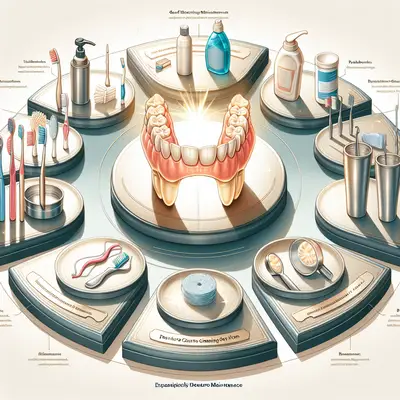
Premium denture care is less about elaborate products and more about deliberate habits. A dedicated station, mindful control of temperature and timing, a two‑phase cleaning ritual, respect for tissue recovery, and scheduled “fit & finish” visits together form a standard of care that feels composed rather than improvised. These refinements help your dentures look better, last longer, and feel more natural—allowing your smile to project poise and assurance, day after day.
Key Takeaway
The most important thing to remember from this article is that this information can change how you think about Maintenance Tips.