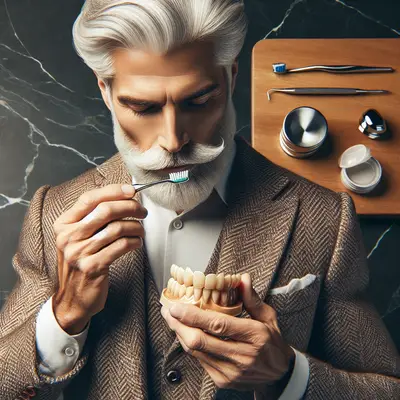
For those who wear dentures, oral hygiene is more than a routine—it is a daily expression of self-respect and refinement. A well-maintained prosthesis does more than restore function; it preserves facial harmony, supports overall health, and quietly communicates that you care about the details others never quite see. This is oral care as a personal standard, not a chore.
Below, you’ll find a considered approach to oral hygiene with dentures, including five exclusive, often-overlooked insights that elevate your daily ritual from basic maintenance to meticulous care.
Reframing Oral Hygiene: Beyond “Cleaning Your Dentures”
Oral hygiene with dentures extends far beyond the acrylic and porcelain in your mouth. Even with full dentures, your oral tissues remain living, responsive, and vulnerable to irritation and infection. Treating your mouth as a complete ecosystem—rather than simply focusing on the prosthesis—creates a higher standard of health and comfort.
A refined routine recognizes that plaque, yeast, and bacteria can colonize not only dentures, but also the tongue, palate, cheeks, and any remaining natural teeth or roots. Thoughtful care therefore involves the entire oral cavity: massaging the gums, cleansing the tongue, and respecting the delicate balance of saliva and soft tissue integrity.
True sophistication in denture care lies in consistency and nuance. It’s not about harsh scrubbing or aggressive solutions; it’s about using the right tools, at the right times, in the right way, to preserve both longevity of the prosthesis and health of the tissues that support it.
Insight 1: Treat Your Gums Like Skin That Wears Couture
Your gums and palate are effectively “wearing” your dentures all day. Just as fine fabrics require gentle laundering and careful storage, the tissues beneath your dentures deserve deliberate attention.
Remove your dentures at least once daily to give your gums time to breathe. During this interval, gently massage the gums and palate with a soft toothbrush or a clean, damp cloth. The aim is not scrubbing, but stimulation—encouraging blood flow, which supports tissue resilience and comfort.
If you wear partial dentures, take equal care with the remaining teeth: clean meticulously around clasps and attachments, where plaque and food particles collect more readily. A premium soft-bristled toothbrush and interdental brushes or floss threaders can make this process both efficient and elegant.
This simple practice preserves the integrity of the tissue foundation that makes your dentures feel stable and comfortable. When the foundation is healthy, everything you place on it—your prosthesis, your smile, your confidence—rests more securely.
Insight 2: Elevate Your Nightly Routine With a Two-Stage Cleanse
A single quick scrub of your dentures is functional; a two-stage ritual is protective. Think of it as double-cleansing for your smile.
First, perform a mechanical clean. Over a sink partially filled with water or lined with a soft towel (to cushion accidental drops), brush your dentures with a dedicated denture brush or soft toothbrush. Use a non-abrasive denture cleanser or mild dish soap—never toothpaste formulated for natural teeth, as its abrasives can create microscopic scratches in the denture surface. These scratches harbor plaque and stains, diminishing both hygiene and aesthetics.
Second, follow with a chemical cleanse. Soak your dentures in an effervescent or professionally recommended denture solution for the time specified on the product (usually 10–15 minutes, or overnight if advised). This step helps remove residual biofilm and reduces bacterial and fungal load, particularly important for preventing denture stomatitis (inflammation of the tissues beneath the denture).
Rinse thoroughly with running water before returning the dentures to your mouth. The result is not only a cleaner prosthesis, but also a finer tactile experience—smooth, fresh, and reassuringly pristine.
Insight 3: Master the Subtle Art of Denture-Free Downtime
Many denture wearers underestimate the restorative power of strategic “off-duty” time. Constant wear can fatigue the supporting tissues and tongue, and may increase the risk of fungal infections or sore spots.
If your clinician approves, establish a daily interval—typically overnight—when your dentures remain out of your mouth. During this time, store them fully submerged in cool or room-temperature water or in a soaking solution recommended by your dentist. Avoid hot water, which can warp the acrylic and compromise fit.
This denture-free window allows your oral tissues to rest, rebalance moisture, and recover from the day’s mechanical pressure. Consider pairing this time with a brief oral spa moment: gently brush your tongue, cheeks, and palate; apply a dentist-recommended moisturizing gel or saliva substitute if you experience dryness; and sip water to support hydration.
The practice is discreet, requires no special equipment, and yet it substantially refines the comfort and longevity of your dentures—and the health of the tissues that support them.
Insight 4: Curate Your Oral Environment: Saliva, Diet, and Hydration
Oral hygiene is not only about what you do at the sink; it is equally shaped by the internal environment your dentures inhabit. Saliva plays a critical role in neutralizing acids, washing away food particles, and maintaining comfort. Medications, medical conditions, and aging can all reduce saliva flow, subtly undermining denture stability and tissue health.
If you experience dry mouth, discuss it with your dentist or physician. They may recommend artificial saliva products, sugar-free lozenges or gum containing xylitol, or targeted strategies to stimulate natural saliva flow. Frequent sips of water—especially between meals and throughout the day—help keep dentures comfortable and tissues less prone to irritation and infection.
Your diet also influences oral hygiene. Sticky, sugary, or highly processed foods tend to cling around denture margins, feeding plaque and increasing the risk of inflammation or fungal overgrowth. Favoring a more balanced, fiber-rich, and less sugar-laden diet supports not only general health but also a cleaner oral environment.
Curating this internal landscape is a refined way of practicing oral care—quietly effective, deeply supportive, and visible only in the ease and freshness of your smile.
Insight 5: Integrate Professional Refinement Into Your Routine
One of the most sophisticated choices a denture wearer can make is to treat professional care as part of their ongoing routine, rather than an emergency recourse. Even if you have full dentures and no remaining natural teeth, regular dental visits are essential.
At these appointments, your dentist or prosthodontist can:
- Examine the soft tissues for signs of irritation, fungal infection, or precancerous changes
- Assess the fit and occlusion (bite) of your dentures, making adjustments to prevent sore spots or jaw discomfort
- Professionally clean and polish your dentures, removing stains that home care can’t address
- Evaluate whether a reline, remake, or alternative solution (such as implant-supported dentures) might better serve your long-term comfort and function
Consider these visits akin to bespoke tailoring appointments for a finely crafted garment: subtle refinements preserve elegance, extend lifespan, and ensure that everything sits precisely where it should. Small, periodic adjustments are far more comfortable—and more dignified—than waiting for a crisis.
Insight 6: Preserve Aesthetics With Discreet Daily Micro-Habits
The aesthetics of dentures—color, translucency, and surface luster—can be preserved with a handful of quiet, consistent habits that protect both hygiene and appearance.
Rinse your mouth and dentures with water after meals and beverages, especially coffee, tea, red wine, and strongly pigmented sauces. This simple act reduces staining and residual food debris, which can otherwise contribute to both discoloration and odor.
Avoid household bleach, whitening toothpaste, and abrasive powders on your dentures. While they may promise brightness, they can erode surface finish, accelerate staining, and weaken structural components. Instead, rely on high-quality denture cleansers, gentle brushing, and occasional professional polishing.
If odor is a concern, remember that it often originates from biofilm on both the denture surface and the tongue. A soft tongue cleaner or brush used once or twice daily, combined with thorough denture hygiene, can make an elegant difference—your breath remains as composed as your smile.
These micro-habits demand little effort, yet collectively maintain a refined, natural-looking appearance that endures beyond the first year of wear.
Conclusion
Refined oral hygiene with dentures is less about elaborate products and more about intention, precision, and respect for detail. When you treat your dentures and oral tissues as a finely calibrated system—deserving of rest, professional oversight, and gentle daily rituals—you transform routine care into a quiet standard of excellence.
The result is not only a clean prosthesis, but a consistently comfortable mouth, healthier tissues, and a smile that feels authentically yours. In these moments at the sink, before bed, or after a meal, you are not merely maintaining dentures; you are curating the daily experience of your own confidence.
Sources
- American Dental Association – Dentures - Overview of types of dentures and essential care recommendations
- National Institute of Dental and Craniofacial Research – Oral Health Topics - Evidence-based information on oral conditions, dry mouth, and oral hygiene principles
- Mayo Clinic – Dentures: How to Care for Them - Practical guidance on daily denture cleaning, handling, and storage
- Cleveland Clinic – Denture Care and Maintenance - Clinical perspective on denture hygiene, fit, and when to seek professional adjustment
- Columbia University College of Dental Medicine – Caring for Your Dentures - Academic insights into best practices for denture and oral tissue care
Key Takeaway
The most important thing to remember from this article is that this information can change how you think about Oral Hygiene.