The most elegant smiles are never accidental—they are curated. For denture wearers, the choice of prosthetic is no longer a binary decision between “full” and “partial.” Today, denture types range from discreet, precision-made appliances to implant-supported solutions that feel almost inseparable from one’s own anatomy. Understanding these options through a refined lens allows you to select not just “a denture,” but your denture—tailored to your lifestyle, aesthetics, and long‑term oral health.
Reframing Denture Types: Beyond Basic Labels
Traditional classifications—full, partial, and implant-supported—are only the starting point. A more discerning view looks at how each type integrates with your facial structure, speech patterns, and personal priorities.
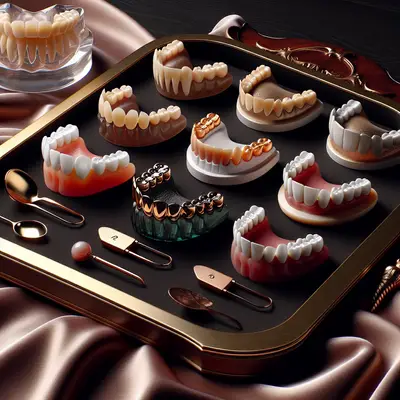
Conventional full dentures rest solely on the gums, replacing an entire arch of teeth. They can be crafted with nuanced shading and tooth morphology to mimic natural enamel and gum textures. Partial dentures, whether built with metal frameworks or flexible resins, fill in selective gaps while relying on remaining natural teeth for support. Implant-supported dentures—fixed or removable—distribute bite forces through titanium implants anchored in the bone, improving stability and reducing long-term bone loss.
Within each category, the craftsmanship matters: layered ceramics, high-impact acrylics, and precision-milled bases can dramatically change how “real” your denture feels and appears. The goal is not simply restoration, but quiet harmony with your face, voice, and daily habits.
A Closer Look at the Main Denture Families
Different denture types serve different needs, and understanding their character helps you align your choice with your expectations.
Conventional full dentures are placed after gums have fully healed from extractions. Their advantage lies in predictability and cost-effectiveness. When executed thoughtfully—correct vertical dimension, refined tooth selection, and subtle gum contouring—they can restore facial support and an elegant smile profile.
Immediate dentures are fabricated in advance and inserted the day teeth are removed. They prevent a “toothless” period, which many patients find emotionally reassuring. However, because gums and bone reshape after extractions, these dentures typically require more adjustments and eventual replacement or relining.
Partial dentures come in several constructions: cast-metal frameworks for strength and precision fit; acrylic-based “interim” partials; and flexible nylon-style designs that emphasize comfort and a clasp-free aesthetic. A well-executed partial can preserve remaining teeth, balance your bite, and offer a refined appearance with carefully designed clasps that blend into your smile.
Implant-retained overdentures “snap” onto implants with small attachments. They remain removable for cleaning but feel vastly more secure than traditional dentures. Implant-supported fixed bridges, meanwhile, are not removed at home and can offer a near-natural experience in function and aesthetics—particularly appealing to those who prefer to forget they are wearing a prosthetic at all.
Material Matters: The Subtle Luxury of the Right Composition
The sophistication of a denture often lies in its material science. High-end dentures are less about “plastic teeth” and more about biomimicry—materials that behave and reflect light like natural structures.
Premium acrylics can be layered to create the illusion of depth within the “gums,” with subtle vein shading and gradients that avoid the uniform, artificial look. Denture teeth themselves can be made from high-density acrylic resin or ceramics; the best are sculpted with individualized shapes, surface texture, and translucency that echo natural enamel, not uniform “blocks” of white.
For implant-supported solutions, digitally milled zirconia or hybrid acrylic/metal frameworks offer both strength and refined aesthetics. Zirconia, in particular, can be tinted and layered to mirror the nuanced shade transitions of natural teeth, a detail that becomes especially important when you want your smile to look quietly authentic in both daylight and evening lighting.
The right material selection can also influence comfort: impact-resistant bases reduce microfractures, polished yet delicately textured surfaces support speech and reduce plaque adherence, and well-finished borders minimize irritation. Luxury, in this context, is the intersection of beauty and biomechanical intelligence.
Five Exclusive Insights Discerning Denture Wearers Appreciate
These are not the typical talking points you hear in a rushed consultation. They are the kinds of details that transform your experience from merely functional to genuinely elevated.
1. Facial Aesthetics Depend on More Than Tooth Shade
Most people focus on how white their denture teeth are. Refined dentures, however, pay closer attention to facial proportions: the height between nose and chin, lip support, and how the teeth “fill” the smile frame.
A properly designed denture can subtly lift the lower face, soften lines around the mouth, and restore a fuller, more youthful lip contour—without looking overdone. Your clinician can even simulate different tooth setups to fine-tune how much tooth shows at rest and during speech, a detail that profoundly influences how natural your expressions look.
2. Bite Design Influences Jaw Comfort and Long-Term Wear
Not all dentures are set up to the same occlusal (bite) philosophy. The way upper and lower teeth contact each other affects chewing efficiency, muscle tension, and even TMJ comfort.
Advanced approaches consider how you actually chew, not just how your teeth look when closed. Balanced occlusion, carefully shaped cusps, and personalized adjustments can reduce sore spots, denture movement, and muscle fatigue. For implant-supported options, precision in occlusion is critical to protect both implants and prosthetic materials over time.
3. Speech Calibration Is a Mark of Premium Craft
Fine dentures are “tuned” for speech. Certain sounds—particularly “s,” “f,” and “th”—are extremely sensitive to tooth position and thickness of the denture base behind the front teeth.
An elevated denture fitting may include reading or conversation exercises while your dentist makes micro-adjustments to tooth position and palatal thickness. This nuanced calibration can reduce lisping, whistling, or subtle speech distortions that can betray the presence of a prosthetic to a trained ear.
4. Implant Placement Strategy Is as Important as the Denture Itself
For implant-supported dentures, the implants’ number, angulation, and distribution are not mere technicalities; they shape comfort, longevity, and aesthetics.
Strategic placement can allow for a slimmer, more natural-feeling palate in upper implant dentures, enhancing taste and temperature perception. Proper positioning also supports a more delicate, refined tooth arrangement instead of bulky teeth compensating for lack of support. This is why advanced cases often involve digital planning, 3D imaging, and collaboration between surgeon, restorative dentist, and dental lab.
5. “Trial Smiles” Are Your Best Opportunity for Customization
In high-quality denture work, the wax try-in stage is not a formality—it is your rehearsal dinner before the main event.
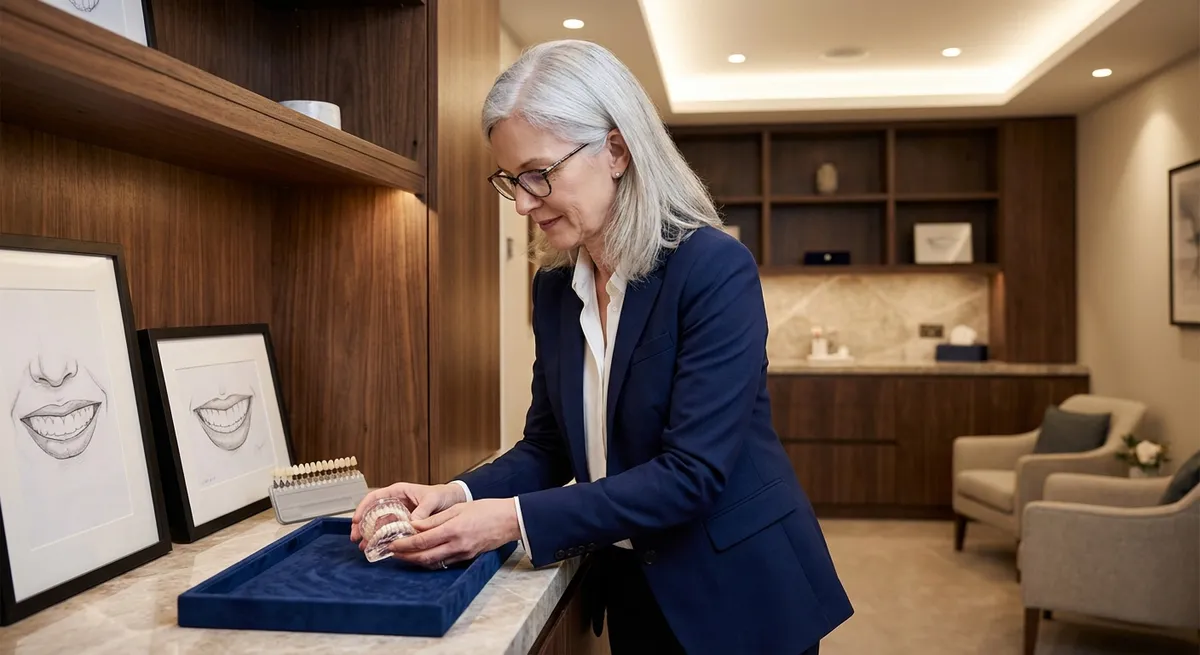
At this stage, tooth shape, size, position, and color can be evaluated while the teeth are set in wax. A discerning wearer can assess how the trial denture looks in various lighting, how it feels when speaking, and how it harmonizes with their wardrobe, professional image, and personal style. Adjustments here are far more elegant and precise than revisions made after the denture is fully processed.
Those who approach the try-in as an active collaboration—offering feedback on smile line, tooth character (youthful vs. mature), and overall expression—often end up with dentures that feel uniquely their own, rather than generically “nice.”
Choosing with Intention: Matching Denture Type to Your Lifestyle
Selecting a denture type should feel less like accepting a medical device and more like commissioning a bespoke piece of functional design. Your daily habits, preferred foods, professional demands, and long-term health goals all matter.
If you value maximum stability and the most “forgettable” feel, an implant-supported option may align best—especially if you are comfortable with a surgical phase and higher initial investment. If your priority is flexibility and reversibility, a well-crafted conventional or partial denture, designed with future upgrades in mind, may be more suitable.
A thoughtful clinician will discuss not only how each option will look on day one, but how it will age with you: how easily it can be adjusted, relined, or upgraded; how it will affect the underlying bone over time; and how it will support your overall oral and systemic health. When you choose with intention, your denture becomes less a compromise and more a quiet expression of your standards.
Conclusion
Today’s denture types offer far more than basic tooth replacement. With sophisticated materials, nuanced aesthetics, and advanced implant integration, you can select a solution that respects your appearance, comfort, and long-term wellbeing. The real luxury lies in the details: how carefully your bite is balanced, how thoughtfully your facial structure is supported, how precisely your speech is tuned, and how seamlessly the denture fits into the rhythm of your life.
Approach the process as a collaboration—not just with your clinician, but with your own expectations. When every element is considered with care, your denture can transcend utility and become an understated, confident part of who you are.
Sources
- American College of Prosthodontists – Dentures Overview - Clinical overview of denture types, indications, and considerations for full and partial dentures
- Mayo Clinic – Dental Implants - Explains how dental implants work and why they are used to support dentures
- Cleveland Clinic – Dentures: Types, Care & What to Expect - Detailed breakdown of conventional, immediate, and partial dentures with patient-focused guidance
- NIH / NCBI – Implant-Supported Overdentures Review - Research-based discussion of the benefits and biomechanical considerations of implant-retained overdentures
- Harvard School of Dental Medicine – Prosthodontics Overview - Background on the specialty that designs and manages advanced prosthetic solutions, including dentures and implant-supported restorations
Key Takeaway
The most important thing to remember from this article is that this information can change how you think about Denture Types.