Refined denture wear is no longer about “making do”; it is about curating a smile that feels authentic, moves naturally, and supports a cultivated life. Today’s denture options are nuanced, technologically sophisticated, and highly customizable—far beyond the one‑size‑fits‑all plates of decades past. Understanding these distinctions allows you to choose not merely a prosthesis, but an aesthetic and functional partner in your daily rituals.
This guide is designed for discerning wearers who expect more: subtlety in appearance, comfort in motion, and a level of craftsmanship that respects both form and function.
The Modern Landscape of Denture Types
Modern dentures can be understood across three main dimensions: coverage, support, and integration with existing teeth.
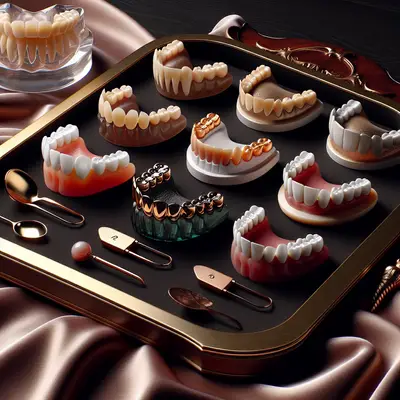
Complete dentures replace an entire arch of missing teeth, either upper, lower, or both. These are crafted to rest on the gums and underlying bone, relying on suction, fit, and sometimes adhesives for stability. Contemporary complete dentures use layered acrylic teeth, refined color gradients, and individualized gum shading to avoid the “one-tone” artificial look.
Partial dentures, by contrast, are designed to integrate with remaining natural teeth. They use a framework—metal, acrylic, or advanced flexible materials—to anchor around existing teeth, filling only the spaces that are missing. For the aesthetically focused wearer, this allows preservation of any natural teeth that still present beautifully, while seamlessly completing the smile.
Implant-supported dentures represent a more anchored solution. In these designs, titanium implants are placed in the jawbone and serve as stable foundations to which the denture attaches. The result is greater security in speaking and chewing, a more natural bite force, and less movement during conversation—an especially valued benefit for socially and professionally active individuals.
Within each of these broad categories, there are countless micro‑choices: tooth shape libraries, subtle translucency variations, and gum sculpting details that allow your prosthodontist to create a denture that is harmonized with your facial structure, lifestyle, and aesthetic preferences.
Precision Fit: Conventional, Immediate, and Overdentures
The timing and method of fabrication profoundly influence both comfort and appearance.
Conventional dentures are crafted after any necessary extractions have fully healed, which typically takes several weeks to months. This allows your dental professional to design a prosthesis based on a stable gum and bone contour. For many, this approach offers a more predictable fit and refined final esthetic, with careful attention to tooth alignment, smile line, and lip support.
Immediate dentures are placed on the very day teeth are removed. They prevent a period without teeth—often important for individuals with visible professional roles or frequent social engagements. However, as the tissues heal and reshape, these dentures often require relining or replacement. Patients who select immediates as a transition often work closely with their dentist on a second, more “tailored” set after healing stabilizes.
Overdentures, which fit over retained tooth roots or implants, offer an elegant compromise between traditional dentures and full-implant solutions. Preserving selected roots can help maintain jawbone and provide a more stable base, while implant overdentures—clip-on or bar-retained—bring enhanced security and chewing efficiency without the cost of a full set of individual implant crowns.
The sophisticated wearer often collaborates with a prosthodontist—a specialist in complex restorations—to choreograph these choices, ensuring the path from extractions to final prosthesis is both discreet and thoughtfully sequenced.
Material Matters: Acrylic, Metal Frameworks, and Flexible Options
The material composition of your denture directly affects weight, comfort, durability, and even how it interacts with your facial expressions.
Acrylic resin remains the most widely used base material for full dentures. It is relatively light, easily shaped, and can be tinted to mimic natural gum color, including subtle variegations and faint capillary-like detailing. High-quality acrylic teeth can be sculpted with natural grooves, fissures, and layered translucency, avoiding the overly uniform “piano key” appearance.
For removable partial dentures, cobalt-chromium metal frameworks are still considered the gold standard for strength and precision. They allow for a thinner, more elegant profile with carefully designed rests and clasps that distribute bite forces evenly. In thoughtful designs, visible metal is minimized or strategically placed to remain hidden in the smile line, preserving a polished appearance.
Flexible partial dentures, often made from nylon-based materials, appeal to those who prioritize discretion and comfort. They tend to hug the gums more closely and may use gum-colored clasps that blend with the tissues. For many, this flexibility translates to a softer feel and more forgiving edges, though they may be more challenging to adjust or repair than metal-based designs.
Some advanced dentures incorporate high-impact acrylics or specialized teeth with enhanced wear resistance—an important consideration for those who habitually clench or grind. Your choice of materials is not merely technical; it is a decision that influences how your prosthesis feels, looks, and ages over time.
Five Exclusive Insights for the Discerning Denture Wearer
1. Micro-Calibration of the “Smile Line” Changes Everything
Subtle adjustments in tooth length and positioning—especially the front six teeth—can alter how much tooth and gum show when you speak or laugh. A carefully calibrated smile line can:
- Soften or refine your overall look
- Support the lips just enough to avoid a “collapsed” or “overfilled” profile
- Prevent excessive gum display during expressive movements
Insist on a try-in phase (often with wax) where you can evaluate your smile while talking, laughing, and looking from different angles, not only in a static mirror pose.
2. The Bite Is as Important as the Look
The way upper and lower dentures meet—your occlusion—profoundly influences comfort, muscle tension, and how natural your speech feels. An imbalanced bite can lead to:
- Clicking or shifting during chewing
- Sore spots on the gums
- Jaw fatigue or tension headaches
A premium denture process includes multiple bite registrations and fine-tuning after delivery. Do not hesitate to request adjustments if you feel even minor “sliding” or discomfort; the difference between acceptable and exceptional is often a millimeter.
3. Gum Contouring on the Denture Base Can Mimic Nature
High-end dentures often incorporate three-dimensional gum sculpting: slight elevations where roots would naturally sit, gentle papillae between teeth, and subtle “texture” in the pink acrylic. This avoids the flat, uniform look of older designs and gives the illusion that teeth are emerging from living tissue.
During your evaluation, look closely (and from the side) at the gum contours. Ask whether your provider can customize:
- The height and shape of gum peaks
- The transition between tooth and gum
- Soft asymmetries that replicate a natural mouth rather than a perfectly symmetrical one
4. Implant-Supported Designs Can Be Tailored to Removability
Implant-supported dentures do not all function identically. You may choose:
- Removable overdentures that snap or clip onto implants for easy at-home cleaning
- Fixed hybrid prostheses (often called “all-on-4” style) that are only removed by the dentist, feeling more like natural teeth day to day
For frequent travelers, individuals with dexterity limitations, or those who prefer meticulous home hygiene, removable implant overdentures can offer both security and practicality. For those prioritizing absolute stability and a “forget it’s there” experience, fixed options can be transformative.
5. A “Second Set” Strategy Can Preserve Both Aesthetics and Confidence
Even the finest dentures do not last forever. Over time, jawbone resorption, small changes in facial structure, and normal wear can alter fit and appearance. Many discerning wearers quietly adopt a two-set strategy:
- A primary denture used daily
- A secondary or “reserve” denture, created once the ideal design is established
This reserve set can be invaluable if your primary denture is damaged, lost, or under repair. It also provides a reference for future redesigns, ensuring that when it is time for an update, your established look and proportions can be gracefully preserved or subtly enhanced rather than reinvented under pressure.
Choosing the Right Type: Aligning Lifestyle, Aesthetics, and Investment
The most suitable denture type emerges at the intersection of your daily habits, aesthetic expectations, and budget.
If you entertain frequently, work in a public-facing profession, or value spontaneity in dining and conversation, implant-supported or overdenture designs may warrant thoughtful consideration. Their stability during speaking and eating can offer a quiet but powerful confidence.
If you are transitioning from natural teeth and want to minimize any gap in appearance, a staged plan that combines immediate dentures with a later, more customized final set can preserve your public composure while ensuring long-term refinement.
Cost is an undeniable component, yet it is worth weighing long-term implications: jawbone preservation with implants, reduced need for adhesives, fewer emergency adjustments, and the daily comfort of a stable, attractive smile. For many, investing in a more advanced type—particularly implant-supported options—feels less like a luxury and more like a deliberate decision about quality of life.
The key is to seek out a provider who approaches dentures as both medical devices and aesthetic instruments, and who is willing to collaborate with you over multiple appointments, try-ins, and adjustments until the result feels seamlessly integrated into your identity.
Conclusion
Choosing a denture type today is not simply a clinical decision; it is a highly personal selection of comfort, aesthetics, and quiet self-assurance. From traditional full dentures to refined partials and sophisticated implant-supported designs, the modern landscape offers solutions that can be tuned with remarkable precision.
When you understand the nuances—materials, bite design, gum contouring, implant integration, and long-term strategy—you are empowered to request more than “good enough.” You can insist on a denture that supports your speech, enhances your profile, and reflects the understated elegance with which you approach the rest of your life.
Sources
- American College of Prosthodontists – Dentures Overview – Explains types of dentures, indications, and the role of prosthodontists in advanced treatment planning.
- Mayo Clinic – Dentures: What to Expect and How They Work – Provides a patient-focused overview of complete and partial dentures, including fit, adaptation, and care.
- Cleveland Clinic – Dentures: Types, Procedure & Care – Details different denture types, materials, and what patients can expect from each option.
- National Institute of Dental and Craniofacial Research (NIDCR) – Tooth Replacement – Covers dental prosthetic options, including dentures and implants, from a research-based perspective.
- University of Michigan School of Dentistry – Implant-Supported Dentures – Describes implant-supported and overdenture concepts, benefits, and clinical considerations.
Key Takeaway
The most important thing to remember from this article is that this information can change how you think about Denture Types.