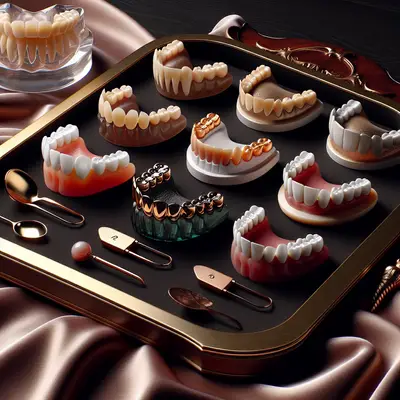
For discerning wearers, dentures are not merely a replacement for missing teeth; they are a personal design choice that influences how you speak, dine, and present yourself to the world. The most successful denture experiences are rarely accidental—they are curated. Understanding the nuances between denture types allows you to move beyond “will this work?” and toward “will this enhance my daily life?”.
This guide explores key denture types through a refined lens and shares five exclusive insights that sophisticated denture wearers quietly rely on but seldom discuss.
Understanding the Landscape: Primary Denture Categories
While denture terminology can sound technical, the main categories are straightforward once you know what to look for.
Complete (full) dentures replace all teeth in an arch—upper, lower, or both. They typically rest on the gums and underlying bone, relying on precise fit, saliva, and sometimes adhesive for stability. Upper full dentures usually feel more secure than lower ones because of the palate coverage and natural suction.
Partial dentures fill in gaps when you still have some natural teeth. They may use metal clasps, precision attachments, or tooth-colored components for support. When thoughtfully designed, they can blend into your existing teeth and support your bite without calling attention to themselves.
Immediate dentures are placed the same day teeth are removed, so you never leave the dental office without teeth. Because your gums and bone remodel during healing, these are usually an interim solution that will need relining or replacement once tissues stabilize.
Implant-supported dentures use titanium implants in the jawbone as anchoring points. The denture may snap onto attachments (removable) or be fixed in place and removed only by your dental professional. The result is often a more secure, natural-feeling prosthesis with improved chewing power and confidence in social situations.
Specialized designs, such as flexible partials and metal framework partials, refine these core concepts by focusing on comfort, aesthetics, or durability. Selecting between them is less about choosing what is “best” in the abstract and more about what aligns with your lifestyle, priorities, and tolerance for maintenance.
Material Matters: Acrylic, Metal, Flexible, and Hybrid Options
Not all dentures are crafted from the same materials, and these choices have a profound influence on aesthetics, durability, and day-to-day comfort.
Acrylic resin is the classic base material for many complete dentures. It is relatively lightweight, can be tinted to match natural gum tones, and allows for detailed customization of tooth placement and form. However, pure acrylic dentures can be more prone to fracture if dropped and may require occasional reinforcement.
Cobalt-chrome metal frameworks are common in high-quality partial dentures. The metal framework is slim yet strong, enabling a more refined profile and better load distribution. When carefully designed, metal clasps can be discreet, and the denture often feels thinner and more stable than an all-acrylic alternative.
Flexible partial dentures (often nylon-based) offer a more adaptable, slightly elastic base. They can be particularly appealing when you wish to avoid visible metal clasps or have tissue contours that benefit from a more forgiving fit. The trade-off is that adjustments and repairs are more complex, and not every case is ideal for flexible materials.
Composite and hybrid designs blend metal frameworks with tooth-colored or gum-colored acrylics, achieving a tailored balance between strength and subtlety. For those who value a natural look and a slim, well-balanced feel, these hybrid approaches can be especially appealing.
Material selection is not merely technical—it is aesthetic, tactile, and practical. A thoughtful conversation with your dentist or prosthodontist about how you eat, speak, and socialize will guide a material choice that feels as considered as a bespoke garment.
Implant-Supported Options: Stability for a Confident Lifestyle
For many wearers seeking a seamless, low-anxiety experience, implant-supported dentures represent a considered investment in everyday ease.
Overdentures are removable dentures that “snap” onto dental implants. They offer significantly improved stability over conventional dentures, particularly in the lower jaw where traditional dentures can feel less secure. You still remove them for cleaning, but the day-to-day movement and worry about slipping are dramatically reduced.
Fixed implant prostheses (often referred to as “All-on-4” or similar concepts) bridge the line between dentures and full-arch implant restorations. They are secured to implants with screws and can only be removed by your clinician. This approach offers a remarkably natural feel for many wearers, with enhanced biting efficiency and minimal bulk across the palate.
Beyond function, implant-supported solutions influence the architecture of your face. Because implants help maintain bone volume, they can reduce the sunken, collapsed look that sometimes develops with long-term tooth loss. The result is not merely a functional improvement, but a subtle preservation of facial structure and youthfulness.
Choosing an implant-supported design does require consideration of cost, surgical candidacy, and healing time. Yet for many, the long-term reward—a stable, confident, and low-maintenance smile—is a transformative upgrade in quality of life.
The Aesthetic Equation: Tooth Shape, Shade, and Gum Design
The art of denture design lies in subtleties that are often overlooked in basic discussions of denture types.
Tooth shape and arrangement can dramatically influence your expression. Slightly rounded incisal edges, a gentle midline, and modest variation between teeth can replicate the individuality of a natural smile. Overly uniform teeth may appear “denture-like”, while carefully curated asymmetry often reads as authentically human.
Shade selection should harmonize with your complexion, eye color, and even your personal style. Ultra-bright, opaque shades may photograph well but look artificial in natural light. A nuanced shade with soft translucency and slight variation can feel more believable and timelessly elegant.
Gingival (gum) characterization—subtle stippling, delicate color variations, and contouring at the gum line—can elevate the overall effect of your dentures from “acceptable” to “convincingly natural.” High-end prosthetic work often incorporates these refined touches, which may not be discussed unless you specifically request them.
Modern digital workflows also allow photographic and 3D references of your pre-extraction smile (or a smile you admire) to influence tooth positioning and design. By treating your dentures as a personalized aesthetic project rather than a generic replacement, you gain control over how you are perceived—and how you feel in your own skin.
Five Exclusive Insights Seasoned Denture Wearers Quietly Rely On
Beneath the surface of routine advice, experienced denture wearers often discover a series of nuanced truths that transform daily comfort and confidence.
1. Micro-Adjustments Are Normal—And Essential
A perfectly crafted denture straight from the lab is a rarity. Most refined results emerge from incremental adjustments: smoothing pressure spots, fine-tuning the bite, and adjusting clasps. Expect and embrace follow-up appointments as part of the design process, not as evidence of failure. Those who treat their denture like a tailored garment—refined through fittings—tend to enjoy far more comfort and stability.
2. The Lower Denture Demands a Different Strategy
Many new wearers are surprised to find that the lower denture feels more challenging than the upper. There is less surface area, more tongue movement, and no palate to create suction. Seasoned wearers often ask proactively about:
- Narrower, more anatomically contoured lower designs
- Soft lining options in specific cases
- Early consideration of two to four implants to support a lower overdenture
Recognizing the lower arch as a special case leads to a more realistic plan—and fewer frustrations.
3. “Chewing Efficiency” Is a Hidden Quality Metric
Not all denture types offer the same ability to chew confidently and comfortably. Those who have worn multiple designs often describe a quiet revelation when they upgrade to a more stable option, such as a metal-framework partial or implant-supported denture. Foods that once felt risky—crisp vegetables, certain meats, crusty bread—gradually become part of daily life again. Evaluating your denture types by chewing performance, not just appearance, provides a more complete measure of value.
4. Subtle Speech Refinements Take Your Results from Good to Exceptional
Speech changes with any new prosthesis, particularly with upper dentures and palatal coverage. Experienced wearers know that gentle enunciation practice—reading aloud for 10–15 minutes daily in the early weeks—can dramatically speed adaptation. When subtle lisping or hissing persists, a careful conversation with your clinician about palate thickness, tooth positioning, or selective adjustments often resolves it. Treating speech as a design parameter, rather than a fixed consequence, is a refined and underused approach.
5. Long-Term Success Depends on the Tissues You Don’t See
The most elegant dentures in the world cannot compensate for neglected underlying tissues. Seasoned wearers quietly prioritize:
- Regular professional evaluations (often annually) to assess fit, bone changes, and wear
- Relines or remakes at appropriate intervals, rather than tolerating chronic looseness
- Gentle massaging of the gums with a soft brush or cloth to promote circulation
- Meticulous cleaning of any remaining natural teeth and implants to prevent loss of support
They understand that a denture is only as stable as the foundation beneath it. Respecting that foundation is the single most sophisticated long-term strategy.
Partnering with the Right Professional: Prosthodontists and Beyond
While many general dentists create excellent dentures, complex cases or those seeking especially elevated results may benefit from consulting a prosthodontist—a specialist in restoring and replacing teeth.
A prosthodontist can be particularly helpful when:
- You have significant bone loss or long-standing tooth loss
- You are considering implant-supported options for one or both arches
- You desire high-level aesthetic customization, including gum characterization and advanced tooth design
- You’ve had unsatisfactory experiences with previous dentures and want a more strategic, comprehensive plan
Look for a professional who invites questions, shows examples of their work, and speaks candidly about timelines, stages, and realistic outcomes. The relationship should feel collaborative, not rushed. Your input—photographs, preferences, lifestyle details—is essential to crafting a prosthesis that aligns with who you are, not just what is technically possible.
Conclusion
Denture types are not simple checkboxes on a chart; they are design choices that shape how you eat, speak, and express yourself every day. By understanding the distinctions between complete, partial, flexible, and implant-supported dentures—and by embracing the nuanced insights seasoned wearers have learned—you can move beyond mere replacement into curation.
When carefully selected, meticulously adjusted, and paired with attentive tissue care, dentures can become a discreetly powerful asset: a quiet foundation for comfortable meals, effortless conversation, and a composed, enduring smile.
Sources
- American College of Prosthodontists – Types of Dentures – Overview of different denture categories, indications, and considerations
- Mayo Clinic – Dentures: Options, Procedure and Care – General guidance on denture types, fitting, and adaptation
- National Institute of Dental and Craniofacial Research (NIDCR) – Tooth Replacement – Educational information on dentures and implants as tooth replacement options
- Cleveland Clinic – Dentures Overview – Detailed explanation of complete, partial, and implant-supported dentures, including pros and cons
- Journal of Prosthetic Dentistry – Mandibular Two-Implant Overdentures00195-6/fulltext) – Research-based discussion on the benefits of implant-supported overdentures, particularly for the lower jaw
Key Takeaway
The most important thing to remember from this article is that this information can change how you think about Denture Types.