Selecting the right denture is no longer a purely clinical decision; it is a lifestyle choice that intersects comfort, aesthetics, and long‑term oral health. Today’s denture wearer can curate a prosthetic smile with a level of nuance that would have been unthinkable a generation ago. This guide explores contemporary denture types through a refined lens, with five exclusive, often overlooked insights that help you move beyond “what fits” to “what truly suits.”
Understanding the Modern Spectrum of Denture Types
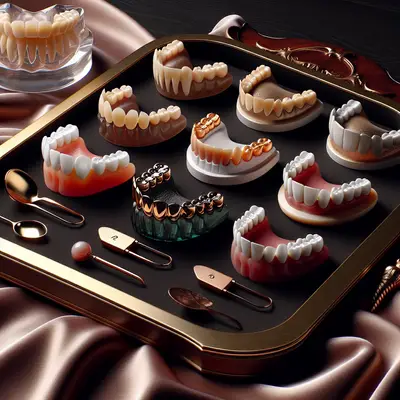
Denture types now exist on a spectrum—from fully removable to entirely fixed—each offering its own balance of stability, maintenance demands, and aesthetic potential. Traditional complete dentures rest on the gums and are typically crafted from acrylic; they remain the most familiar option, especially when all teeth in an arch are missing. Partial dentures, designed to fill gaps among remaining natural teeth, can be made with discreet metal frameworks or flexible materials that blend more subtly with the tissues.
Implant‑supported and implant‑retained dentures represent a different category altogether. They are anchored to surgically placed implants in the jawbone, which provide an elevated level of stability and can help preserve bone structure over time. Overdentures, meanwhile, sit over retained roots or implants and can offer a pleasing compromise between removability and security. As you evaluate this spectrum, consider not only how you wish your smile to look, but how you want it to feel during speaking, dining, and social interactions.
Material Matters: Subtle Differences You Can Feel (and See)
While the broad labels—complete, partial, implant‑supported—describe structure, the real day‑to‑day experience is profoundly shaped by materials. High‑quality acrylics can be layered and tinted to mimic the gradations of natural gum tissue, preventing that “flat pink” appearance that often reveals a prosthetic at first glance. Advanced composite and ceramic teeth offer improved translucency and wear resistance, reflecting light in a way that more closely resembles natural enamel.
Metal frameworks in partial dentures, often cobalt‑chromium, allow for slimmer, more refined designs than bulkier all‑acrylic options, which can feel more intrusive. Flexible nylon‑based dentures can offer enhanced comfort for some wearers, especially where the gum line is delicate, but they can be more challenging to adjust or repair. The key insight: the conversation with your clinician should go beyond “what will work” to “how will these materials age, stain, and respond to my daily habits over the next 5–10 years?” That time horizon often reveals which option is genuinely premium for your specific lifestyle.
The Aesthetic Design: Beyond Shade Charts and Tooth Shapes
Refined denture aesthetics extend well beyond choosing a tooth shade labeled A2 or B1. A truly bespoke prosthetic considers the interplay between tooth shape, length, smile line, and even how your lips rest at ease. The teeth in a high‑end denture are often deliberately not “perfect”—subtle asymmetry, minute variation in incisal edges, and natural‑looking translucency prevent the smile from appearing uniformly artificial.
Gingival contouring—the way the acrylic or composite gum portion is sculpted—can create the illusion of natural papillae between teeth and gentle, lifelike curves instead of a straight, unrealistic gum line. Your clinician can also consider facial proportions, previous photographs of your natural teeth (if available), and your preferred “smile personality”: more youthful and bright, or more understated and classic. The exclusive insight here is that aesthetic planning is not a vanity add‑on; it is central to how confidently you will wear and use your dentures in every social and professional setting.
Functional Precision: How Bite Design Changes Your Everyday Experience
Aesthetics may draw your eye, but the most profound differences among denture types often reveal themselves when you chew, speak, and laugh. Bite design—also known as occlusal scheme—determines how your upper and lower teeth meet and glide against each other. Well‑balanced occlusion reduces sore spots, improves chewing efficiency, and minimizes movement of removable dentures.
Implant‑supported dentures allow for a more assertive bite, which can expand your menu options and make dining feel less tentative. Even within removable dentures, however, the choice of flat versus more anatomically contoured teeth can influence how stable the denture feels during function. Precision attachments in partial dentures can eliminate visible clasps and improve retention, but they demand meticulous hygiene and periodic professional maintenance. In essence, denture type is not just “what you wear,” but “how your jaw and muscles will perform” with that prosthesis in place.
Five Exclusive Insights Denture Wearers Rarely Hear Up Front
These five refined considerations rarely headline standard denture consultations, yet they often define satisfaction in the long term:
Your Jawbone Will Respond Differently Depending on the Type You Choose
Traditional full dentures rest on the gums and do not stimulate the underlying bone the way natural teeth or implants do. Over time, this can contribute to gradual bone resorption and changes in facial contours. Implant‑supported or implant‑retained dentures can help slow this process by transmitting functional forces into the bone, preserving facial structure and fit more gracefully over the years.
“Lightweight” Is Not Always Synonymous with “More Comfortable”
Many people request the thinnest, lightest denture possible, assuming it will feel less intrusive. In reality, a slightly more substantial base can sometimes distribute pressure more evenly and enhance stability. Ultra‑thin, under‑supported designs may flex or create localized sore spots. Premium comfort is about balance and support—not simply reducing material at all costs.
Speech Nuances Depend on Palate Design and Tooth Positioning
The difference between a denture that feels acceptable and one that feels truly natural often emerges when you pronounce “s,” “t,” and “d” sounds. The thickness and contour of the palate in upper dentures, as well as the angle and length of front teeth, can subtly alter airflow and tongue positioning. A fine‑tuned denture can minimize the adjustment phase and help preserve your natural speech cadence, a crucial consideration for anyone who presents, teaches, or speaks frequently.
Maintenance Complexity Varies Dramatically Among “Premium” Options
An implant‑supported overdenture with precise attachments can feel luxurious, but it also introduces a more intricate cleaning routine—especially around implants and under the prosthesis. Conversely, a well‑crafted traditional denture might be simpler to care for yet may require more frequent relining as the bone remodels. When choosing among advanced options, consider not just what feels best in the chair today, but what you can realistically maintain impeccably every single day.
Refinement Appointments Are Part of a Truly High‑End Result
Many wearers assume that once the denture is delivered, only emergencies warrant a return visit. In reality, the most polished outcomes often involve a series of refinement appointments over the first weeks and months: minor bite adjustments, subtle reshaping of borders, and aesthetic fine‑tuning after you have lived with the prosthesis in real life. When evaluating denture types and providers, ask not only about the device itself, but about the planned schedule of follow‑up and how much room there is for collaborative adjustment.
Aligning Denture Type with Your Lifestyle and Future Plans
Choosing a denture type is as much about anticipating your future as it is about solving your present. Consider your travel patterns, dining habits, and tolerance for in‑depth home care routines. If you travel frequently or value spontaneity, the security of an implant‑retained solution may spare you the anxiety of adhesives and mid‑day adjustments. If you prefer a less invasive approach initially, a removable option with the possibility of future implant upgrades can be a judicious path.
Budget should be discussed candidly, but in a nuanced way: lower immediate cost may entail more frequent relines, replacements, or compromises in daily comfort, while a higher initial investment in implants or premium materials can pay dividends in stability, appearance, and bone preservation. The most sophisticated choice is not simply the most expensive, but the one whose performance, maintenance, and longevity align with your priorities over the next decade—not just the next year.
Conclusion
Today’s denture landscape offers far more than a single, generic solution. From material quality and aesthetic artistry to functional precision and long‑term bone health, each denture type carries its own signature advantages and obligations. By looking beyond basic labels and engaging with the subtleties—jawbone response, speech nuances, maintenance complexity, and planned refinement—you can curate a prosthetic smile that feels less like a compromise and more like a considered extension of your personal style.
A sophisticated denture is not merely something you wear; it is something you live in. Choosing with intention, and in close partnership with a knowledgeable dental professional, is the most elegant decision you can make for your smile.
Sources
- American Dental Association – Dentures Overview - General information on types of dentures, care, and what to expect
- Mayo Clinic – Dentures: What to Expect - Explains indications, types of dentures, and adaptation considerations
- Cleveland Clinic – Dentures - Details different denture designs, benefits, and potential drawbacks
- National Institute of Dental and Craniofacial Research – Tooth Replacement Options - Discusses implants, dentures, and bridges with emphasis on function and bone health
- Harvard School of Dental Medicine – Dental Implants and Bone Health - Explores how implants interact with jawbone and support long-term oral structure
Key Takeaway
The most important thing to remember from this article is that this information can change how you think about Denture Types.