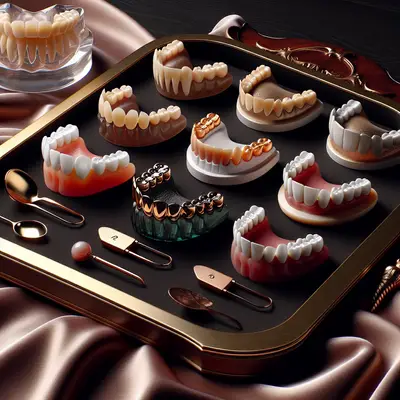
For the discerning wearer, dentures are not merely a clinical solution—they are a quiet extension of personal style, confidence, and daily ease. Understanding the nuances between denture types allows you to select an option that feels less like a compromise and more like a considered choice. Beyond the basic categories, there are refined distinctions that influence comfort, aesthetics, and how naturally your dentures integrate into your life.
This guide explores key denture types through a sophisticated lens, then offers five exclusive, often overlooked insights that experienced denture wearers truly value.
A Refined Overview of Modern Denture Types
Dentures today are far removed from the bulky, obvious prosthetics of decades past. Advances in materials, digital design, and implant technology have created a spectrum of options that can be finely tuned to your anatomy, your bite, and your daily priorities.
Conventional full dentures replace all teeth in the upper or lower arch after any remaining teeth are removed and the gums have healed. They are typically crafted from high‑quality acrylic and rely on the natural contours of your gums, palate, and jaw—sometimes with the assistance of denture adhesive—to remain stable.
Immediate dentures are placed on the same day your natural teeth are removed. They preserve your appearance during the healing phase, but because your gums and bone reshape significantly after extractions, they often require a relining or remake for a truly precise long‑term fit.
Partial dentures are ideal when you still have several healthy, stable teeth. A metal or flexible base supports artificial teeth, integrating seamlessly with your existing dentition. When well designed, a partial can balance bite forces delicately, protect remaining teeth, and minimize visible hardware when you speak or smile.
Implant‑supported dentures (often called overdentures) secure to dental implants placed in the jawbone. The implants act like artificial roots, dramatically improving stability, chewing power, and jawbone preservation. Some systems are removable by the patient; others are “fixed” and can only be removed by a clinician, creating an experience closer to natural teeth.
Flexible and hybrid designs blend materials such as flexible nylon, high‑impact acrylics, and titanium frameworks. These can offer a lighter, more forgiving feel, and in some cases, a more refined aesthetic at the gumline—particularly valuable for patients with a naturally high or broad smile.
The “best” denture type is rarely defined by category alone. It is the interplay of design, materials, and personalization that determines whether a denture simply functions—or truly feels like it belongs to you.
Alignment, Not Just Fit: Precision Occlusion in Denture Selection
Many denture consultations focus on whether a denture “fits” the gums; sophisticated care looks further, to how the upper and lower teeth meet and move together—a concept known as occlusion.
When occlusion is meticulously calibrated:
- The jaw joints experience less strain, reducing tension headaches, jaw fatigue, and facial discomfort.
- Chewing efficiency improves, allowing you to enjoy a broader range of textures with less effort.
- The denture is less prone to rocking or shifting under bite pressure, which extends its lifespan and protects the underlying tissues.
- Micro‑cracks and fractures in the base or teeth are less likely, preserving both aesthetics and function.
Digital bite analysis and advanced articulators (devices that simulate jaw movement) can help your dentist visualize and refine your bite before your final dentures are fabricated. When comparing denture types, ask how each option will support a stable, balanced bite—not just how it will look or feel initially. That focus on alignment rather than mere “fit” is often the quiet difference between a passable prosthesis and a truly harmonious one.
Subtle Aesthetics: Shade, Texture, and the Illusion of Natural Teeth
Premium dentures distinguish themselves in the fine details—the ones that are almost invisible to others, yet deeply reassuring to you.
A sophisticated approach to denture aesthetics considers:
- Tooth shade nuance: Instead of selecting a single generic “white,” a refined denture may subtly graduate shades from the front to the back teeth, echoing natural translucency and depth.
- Tooth characterization: Gentle variations in shape, slight rotations, or micro‑asymmetries can prevent the “too perfect” look that sometimes reveals a prosthetic smile.
- Gumline artistry: High‑end dentures often include delicate shading and contouring along the pink acrylic or composite base, simulating natural gum textures, slight stippling, and realistic color transitions.
- Smile line and lip support: The vertical position and angle of the teeth are tailored to your facial proportions, ensuring that your lips rest naturally and your smile reveals the ideal amount of tooth and gum.
Different denture types lend themselves to different levels of aesthetic detailing. For example, implant‑supported hybrids can allow more precise control of tooth position and gum contours because they are anchored firmly in place. When you evaluate your options, ask to see examples of your dentist’s work and pay attention not just to the brightness of the smile, but the subtle, lifelike features that keep it from looking artificial.
Five Exclusive Insights Savvy Denture Wearers Appreciate
Beyond the standard explanations, there are five under‑discussed insights that experienced denture wearers often wish they had known from the beginning. These perspectives can help you make a more sophisticated, future‑oriented choice.
1. Jawbone Preservation Is a Long‑Term Luxury
Conventional full dentures sit on top of the gums and do not stimulate the jawbone like natural teeth or implants do. Over time, this can lead to gradual bone loss, which subtly alters your facial structure, shortens the distance between your nose and chin, and loosens even a once‑perfectly fitting denture.
Implant‑supported dentures, by contrast, help transmit chewing forces into the bone, which can slow this resorption. While the initial investment is higher, many patients discover that implants are less about “extra stability” and more about preserving facial contours, avoiding the constant cycle of relining and remaking dentures, and protecting the elegance of their profile over the years.
If you are on the verge of full extractions, this is the ideal time to discuss whether a few strategically placed implants could support your future dentures and quietly safeguard your bone structure.
2. The Material of the Base Influences More Than Comfort
The choice between traditional acrylic, flexible resins, and metal‑reinforced frameworks is not merely a comfort preference; it can influence everything from speech clarity to thermal sensation.
- Metal frameworks (often cobalt‑chromium) used in partial dentures are thin yet rigid, allowing more room for the tongue and often clearer speech.
- High‑impact acrylics resist fracture and can hold finer gumline detailing, ideal for those who value durability and aesthetics in equal measure.
- Flexible bases offer a gentle, grippy feel on the tissues and can be less prone to visible clasps. However, they may be more challenging to adjust and may not be appropriate for patients who require highly precise bite control.
A thoughtful conversation about your priorities—speech, discretion, adjustability, or resilience—can guide not only which denture type you choose, but which base material will serve you best over time.
3. Transitional Design Matters If Your Dental Status May Change
For many patients, tooth loss is not an all‑or‑nothing event. You may anticipate losing additional teeth in the coming years due to gum disease, severe wear, or complex restorations. In these cases, it can be wise to choose a denture type that anticipates change.
Metal‑framework partials, for instance, can sometimes be modified to add new teeth if existing ones are lost, preserving the overall architecture and sparing you a complete remake. Similarly, planning implant positions early can help transition from a partial solution to a full arch prosthesis without starting from scratch.
This “transitional design” mindset is what allows some denture plans to age gracefully. Rather than reacting to each new tooth loss as an isolated crisis, you and your prosthodontist can orchestrate a controlled, elegant progression.
4. The Palate Experience Is More Important Than Many Expect
Upper full dentures traditionally cover the palate to create suction and stability. While effective, this coverage can change how you perceive taste and temperature and may initially feel bulky. Some patients adapt easily; others remain perpetually conscious of the palate plate.
Implant‑supported overdentures and certain advanced designs can substantially reduce or even eliminate palate coverage, opening the roof of the mouth and restoring a more natural sensory experience. For those who are highly sensitive to oral sensations or who find palate coverage claustrophobic, this detail can define the difference between a denture that is merely tolerable and one that feels almost invisible.
When discussing upper denture options, ask specifically how each design will affect your palate—its coverage, its thickness, and whether implants might allow a more open, liberated feel.
5. Silent Stability Can Be More Valuable Than Maximum Removability
Removable dentures offer the flexibility of easy cleaning and repairs, but they also introduce a small, constant awareness: that your teeth can be taken out. For many, this is acceptable; for some, it subtly undermines confidence in social and professional settings.
Fixed or “all‑on‑X” implant solutions, where the prosthesis is attached permanently to implants and removed only by the dentist, offer a different psychological experience. They feel less like a device and more like a new set of teeth—solid, dependable, and quietly present at all times.
Even among removable options, the attachment system (locators, bars, magnets, or precision clips) can dramatically alter how “anchored” your dentures feel. Understanding these subtleties helps you choose not just the type of denture, but the type of emotional reassurance you want day to day.
Curating the Right Denture Type With a Specialist’s Eye
Selecting a denture is ultimately an exercise in curation. You are not simply choosing “full versus partial” or “implant versus traditional.” You are refining a constellation of variables: how you wish to look, how you prefer to feel, how you plan to eat, speak, smile, and age with dignity.
For a truly elevated experience:
- Consider consulting a prosthodontist, a specialist in complex tooth replacement and denture design, especially if you have a history of dental work, bite issues, or facial pain.
- Request a wax try‑in phase, where tooth position, shape, and shade can be evaluated and refined before the final denture is processed.
- Discuss long‑term strategy, including bone preservation, possible future implants, and how easily your prosthesis can be adjusted as your oral landscape changes.
- Ask to see before‑and‑after cases that resemble your own dental history and facial features, so you can visualize realistic outcomes.
When approached thoughtfully, the choice of denture type becomes less about accepting tooth loss and more about reclaiming control—over your appearance, your comfort, and the quiet confidence with which you move through the world.
Conclusion
Denture types differ in far more than name and price. The interplay of occlusion, materials, implant support, palate design, and long‑term adaptability shapes not just how your dentures function, but how naturally they integrate into your life. By looking beyond the basics and embracing the nuanced, premium possibilities now available, you can select a denture solution that feels intentionally crafted—one that supports not only your smile, but the refined way you choose to live.
Sources
- American College of Prosthodontists – Dentures Overview – Clinical explanations of complete, partial, and implant-supported dentures, including indications and care.
- Mayo Clinic – Dentures: What to Expect – Patient-focused overview of types of dentures, the fitting process, and adaptation.
- Cleveland Clinic – Dentures – Detailed discussion of denture options, materials, and long-term maintenance considerations.
- National Institutes of Health (NIH) – Dental Implants and Bone Preservation – Research perspective on how implants help preserve jawbone and support prosthetic stability.
- Harvard School of Dental Medicine – Prosthodontics Information – Background on the specialty focused on complex tooth replacement and denture design.
Key Takeaway
The most important thing to remember from this article is that this information can change how you think about Denture Types.