For those who view personal care as an extension of taste and discernment, dentures are not merely a functional necessity—they are part of a curated presentation to the world. Beyond the standard instructions of soaking and brushing lies a level of refinement that transforms dentures from “good enough” to quietly impeccable. This guide explores subtle yet powerful practices that elevate denture wear from simply acceptable to exquisitely considered.
The Fine Art of Fit: Micro-Adjustments That Change Everything
Most denture wearers accept “good fit” as the endpoint of care, but genuine comfort often resides in the realm of micro-adjustments. A denture can seem adequate in the clinic yet feel imprecise during everyday life—over a long dinner, a presentation, or a flight. What distinguishes a refined approach is understanding that fit is dynamic, not static.
Jaw muscles, oral tissues, and even weight fluctuations can subtly alter how dentures sit and function. This is why regular, proactive “fit reviews” with your dentist—before discomfort appears—are so valuable. Small relines, pressure point adjustments, and fine polishing of the borders can transform a vaguely distracting denture into one that feels almost intuitive.
An often-overlooked nuance: pay attention to how your dentures behave during your most demanding moments—lengthy conversations, nuanced pronunciation, or meals with varied textures. Keeping a brief, discreet note on when minor slippage or pressure occurs allows your clinician to make targeted refinements rather than broad, disruptive changes. The result is not simply a denture that fits, but a prosthesis that supports your lifestyle as seamlessly as a perfectly tailored garment.
Hydration as a Silent Luxury: Protecting Tissues and Stability
Hydration is rarely discussed with the sophistication it deserves in denture care. Yet, the moisture balance in your mouth is as critical as the quality of the prosthesis itself. An elegant denture experience depends on healthy, supple oral tissues and sufficient natural lubrication.
Dry mouth (xerostomia) can be triggered by medications, air travel, stress, or simply aging. When the mouth is dry, dentures are more likely to rub, click, or feel unstable. Rather than simply increasing adhesive, a more refined approach begins with supporting the oral environment:
- Favor still water throughout the day over sugary or acidic beverages.
- Use alcohol-free, moisturizing mouth rinses to maintain tissue comfort.
- Consider saliva substitutes or gels for evenings, particularly in drier climates or heated indoor spaces.
- Discuss persistent dryness with your physician; medications can sometimes be adjusted, and underlying conditions should not be overlooked.
Well-hydrated oral tissues are less prone to irritation, more resilient under pressure, and offer a more stable foundation for dentures. This is a quiet luxury: no one will see the difference, but you will feel it in every effortless conversation.
The Polished Routine: Upgrading Daily Care From Basic to Meticulous
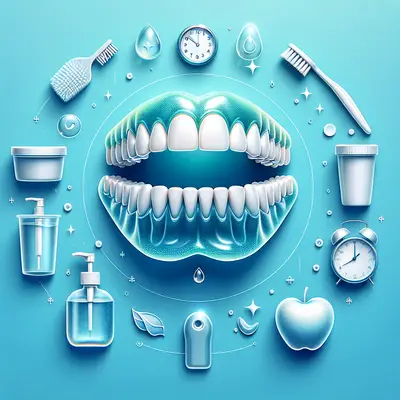
Cleaning dentures can be purely functional—or it can be executed with the same deliberation one might give to maintaining fine eyewear or a luxury watch. The difference lies in consistency, technique, and the quality of the products you choose.
A sophisticated care ritual does more than remove plaque; it preserves clarity, color, and long-term integrity:
- Reserve a soft, dedicated denture brush and avoid harsh regular toothpaste, which can create microscopic scratches that dull the surface and harbor bacteria.
- Use non-abrasive denture cleansers, allowing them to work for the full recommended time rather than rushing the process.
- Rinse thoroughly with cool or lukewarm water—never hot—to prevent subtle warping over time.
- Gently brush your gums, tongue, and palate daily to maintain circulation and oral health; dentures rest better on tissues that are well cared for.
The goal is not merely a clean denture, but a prosthesis that maintains its luster, resists staining, and feels fresh every time you put it in. When your cleaning ritual is balanced, deliberate, and unhurried, your dentures quietly retain the dignity and crispness of their early days.
Five Exclusive Insights Savvy Denture Wearers Quietly Rely On
Beyond the standard advice, there are nuanced practices that experienced, detail-oriented denture wearers learn over time. These are the small refinements that rarely make it into basic guides—but make daily life noticeably more effortless.
The “Soft Food Rehearsal” for New Adjustments
After any adjustment, reline, or new prosthesis, introducing it to your lifestyle gradually is a mark of wisdom. Begin with softer, easily managed foods for 24–48 hours. This gentle “rehearsal” lets you identify pressure points or alignment issues before they become irritations during a demanding social or professional engagement.
Strategic Adhesive Use, Not Dependence
Adhesive, when used intentionally, can enhance confidence—but heavy reliance often masks fit issues that deserve professional correction. A minimal, well-placed application (often in small dots or thin lines) can refine stability without creating excess residue or altering the bite. If you find yourself needing significantly more product over time, that is a quiet signal to schedule a fit evaluation.
A Dedicated Travel Setup for Uninterrupted Care
Experienced denture wearers often maintain a curated travel kit: a compact denture brush, a small, leak-proof soaking container, individual cleanser tablets, and a discreet adhesive supply. Having a refined system means you are never forced to improvise with hotel glasses, hot water, or abrasive products. This kind of forward planning maintains comfort and hygiene even during long flights, multi-city trips, or late arrivals.
Night-Time Strategy: Rest for Tissues, Not Abandonment
Removing dentures at night remains advisable for most wearers, but the details matter. Allowing your tissues to recover is essential; however, leaving dentures dry on a bedside table invites warping and microbial buildup. Soaking them in a proper cleanser or plain water (as advised by your clinician) preserves form and hygiene. Meanwhile, lightly massaging your gums with a clean finger or soft brush before bed can promote blood flow and tissue resilience.
Subtle Monitoring of Facial Harmony and Bone Changes
Over the years, changes in facial contours, lip support, or subtle “collapse” around the mouth may signal bone resorption beneath the dentures. Astute wearers notice when their smile no longer quite matches old photographs or when lipstick behaves differently along the vermillion border. These elegant, observational cues can prompt timely evaluations, re-fabrication, or consideration of implant-supported options—long before pronounced changes become difficult to correct.
The Quiet Power of Professional Partnership
Sophisticated denture care is never purely a do‑it‑yourself endeavor. The most successful wearers cultivate an ongoing, trusting relationship with their dental professional, treating denture reviews as part of their broader wellness routine rather than emergency visits when something goes wrong.
Regular examinations accomplish far more than checking the prosthesis alone. Your clinician can:
- Screen for oral cancer and soft tissue conditions that may present subtly.
- Assess bone levels and the long-term stability of your denture foundation.
- Identify premature wear on the denture teeth that may affect your bite, speech, or facial profile.
- Refresh or adjust the occlusion (bite) to minimize strain on the jaw and muscles.
This partnership becomes especially valuable if you are considering refinements such as implant-supported dentures, upgraded materials, or a refreshed aesthetic. The goal is continuity: your dentures should evolve in parallel with your health, your facial structure, and your personal standards.
Conclusion
Living well with dentures is not simply a matter of function; it is an expression of how you approach every detail of your life. When fit is monitored with precision, hydration is treated as foundational, daily cleaning becomes a polished ritual, and subtle strategies guide your habits, dentures cease to feel like a compromise. Instead, they become a quiet, dependable element of your overall presence—reliable, refined, and thoughtfully maintained.
The most elegant denture care is rarely showy. It is a series of disciplined, intelligent choices that ensure your smile, comfort, and confidence remain perfectly aligned with the life you intend to lead.
Sources
- American Dental Association – Dentures – Overview of types of dentures, basic care, and professional guidance
- Cleveland Clinic – Dentures: Uses, Types & Care – Detailed explanation of denture function, maintenance, and when to see a dentist
- Mayo Clinic – Dry Mouth (Xerostomia) – Authoritative information on causes and management of dry mouth, a key issue for denture stability
- National Institute of Dental and Craniofacial Research – Oral Health in Older Adults – Context on oral health changes with age, including tooth loss and prosthetic considerations
- Columbia University College of Dental Medicine – Complete and Partial Dentures – Academic perspective on denture fabrication, fit, and long-term care
Key Takeaway
The most important thing to remember from this article is that this information can change how you think about Denture Care.