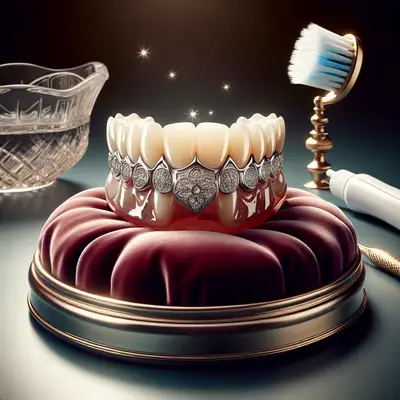
Denture care, when done with intention, moves beyond basic maintenance and becomes a quiet expression of self-respect. It is less about fuss and more about refinement: subtle adjustments, thoughtful choices, and small daily decisions that preserve both comfort and confidence. This guide is designed for those who prefer their routines to be understated yet impeccable—where every element has been considered, and nothing is left to guesswork.
Elevating Comfort: The Precision of a Well-Fitted Denture
The foundation of effortless denture wear is fit—subtle but decisive. A well-crafted denture should feel secure without pressure points, sit naturally without constant adjustment, and allow you to speak without conscious effort. If you find yourself biting down to “hold” your denture in place, adjusting it frequently with your tongue, or avoiding certain foods out of caution, the fit is signaling that refinement is needed.
Over time, the jawbone and soft tissues change, even if the denture itself appears unchanged. This can create micro-movements that lead to friction, sore spots, and accelerated wear of both the denture base and your supporting tissues. Regular evaluations with your dentist or prosthodontist—ideally every 6 to 12 months—allow for subtle relining or adjustments that restore harmony without waiting for a crisis.
Think of these visits not as repairs, but as calibrations: small, precise modifications that protect your long-term comfort, facial profile, and ability to enjoy food and conversation without distraction.
The Refined Clean: Treating Dentures as Tailored Prosthetics, Not Teeth
Dentures are not simply “replacement teeth”; they are medical-grade prosthetics that require a different level of care from natural enamel. Abrasive toothpastes, hard-bristled brushes, and very hot water can create microscopic scratches, warping, or surface dullness that may not be immediately visible but will be felt over time as plaque builds, stains set, and odors become harder to control.
A refined routine prioritizes gentle efficacy: a soft denture brush, a non-abrasive denture cleanser recommended by your dental professional, and cool to lukewarm water. Clean them over a basin lined with a soft towel or partially filled with water to protect against accidental drops—an extra few seconds that can prevent a costly fracture.
Equally important is overnight soaking. Even if your dentures appear immaculate, invisible biofilm accumulates daily. Soaking in a cleanser specifically designed for dentures helps disrupt this film, minimizing fungal overgrowth, reducing odor, and maintaining the luster of the acrylic without harsh scrubbing.
Exclusive Insight #1: The “Balanced Day” Approach to Wear Time
Many denture wearers assume that if a denture is comfortable, it can simply remain in place around the clock. In reality, the supporting tissues benefit from a deliberate rhythm: a period of confident daytime wear, followed by intentional rest.
A “balanced day” approach means:
- Wearing your dentures during waking hours for normal function and aesthetics
- Removing them overnight—or for a consistent, dedicated period each day—to allow the gums and underlying bone to recover
- Gently massaging your gums with a soft toothbrush or clean fingertip during this rest time to stimulate circulation
This pattern reduces the risk of chronic irritation, denture stomatitis (inflammation of the tissue beneath the denture), and long-term bone resorption. It also helps maintain a calmer, more resilient oral environment, allowing your dentures to feel fresher and more comfortable when you resume wear.
Preserving the Palate: Subtle Strategies for Taste and Enjoyment
A frequent, often unspoken concern with upper dentures is the effect on taste and enjoyment of food. While any full-coverage prosthesis over the palate will alter sensation to some degree, there are refined strategies to preserve as much sensory pleasure as possible.
Work with your clinician to assess whether a palate-reduced design, implant-supported option, or alternative configuration could be suitable for your anatomy, bite, and bone health. These approaches can free more of the palate and improve temperature and texture perception.
At home, you can elevate your experience by:
- Being intentional with food temperature—moderately warm or cool, not scalding—so subtle flavors can be distinguished
- Introducing varied textures (tender-crisp vegetables, gently toasted grains, soft fruits) to enhance the sensory experience, rather than relying solely on very soft foods
- Taking a moment at the start of a meal to let flavors linger, training your senses to adjust to the new tactile landscape
With time and thoughtful choices, many denture wearers rediscover not only comfort in eating, but genuine pleasure.
Exclusive Insight #2: Strategic Adhesive Use, Not Constant Dependence
Adhesive should enhance stability—not compensate for a poorly fitting denture. A refined approach views adhesive as a tailored accessory, not a crutch.
Consider this strategy:
- Use the smallest effective amount, applied in thin, evenly spaced dots or strips rather than heavy continuous layers
- Reserve stronger adhesive application for specific contexts—important social occasions, extended dinners, or days with significant speaking—rather than from morning to night every single day
- Treat a sudden increase in adhesive use as a signal to schedule a professional evaluation; it often indicates changes in bone or tissue that could be addressed with a reline or adjustment
By treating adhesive as a deliberate choice instead of an automatic habit, you protect your tissues, preserve your denture, and maintain control over your comfort.
The Subtle Role of Hydration and Saliva
Saliva is the invisible ally of denture stability, comfort, and oral health. It cushions the denture, helps create gentle suction, rinses food debris, and naturally protects against bacterial overgrowth. When saliva is compromised—by certain medications, medical conditions, dehydration, or age-related changes—the impact on denture wear can be significant.
Consider discussing persistent dryness with your physician and dentist. In some cases, medications can be adjusted; in others, saliva substitutes, moisturizing gels, or sugar-free lozenges designed to stimulate saliva may help. Sipping water consistently throughout the day—rather than in occasional large quantities—also supports a more stable moisture level.
A well-hydrated mouth not only feels more comfortable but allows your denture to sit more securely and helps reduce friction, sore spots, and unpleasant odors.
Exclusive Insight #3: Curating a “Denture Wardrobe” for Care
Just as you might invest in a curated wardrobe rather than a cluttered closet, a thoughtfully assembled set of care tools elevates both results and experience. Instead of accumulating random products, focus on a small, purposeful collection:
- A dedicated soft-bristled denture brush
- A separate soft toothbrush or ultra-soft brush for natural teeth, gums, and tongue
- A denture-specific cleanser with proven antimicrobial properties
- A discreet, lidded storage case or glass vessel used only for soaking
- A travel-friendly kit with minimal essentials for evenings out, trips, or business functions
Keeping this “wardrobe” of tools clean, organized, and in a consistent location makes your routine feel more intentional and less burdensome. It transforms denture care from a chore into a calm, structured part of your day.
Protecting Oral Health Beneath and Beyond the Denture
The tissues and structures that support your denture require as much care as the denture itself. For partial denture wearers, the natural teeth anchoring the prosthesis are under additional load and must be particularly well protected. For full denture wearers, the gums and underlying bone remain dynamic and need ongoing attention.
Essential practices include:
- Brushing any remaining natural teeth twice daily with fluoride toothpaste
- Cleaning the tongue and cheeks gently to minimize bacterial accumulation
- Rinsing the mouth with water after meals, especially if brushing is not immediately possible
- Scheduling regular dental examinations even if you no longer have natural teeth—oral cancers, fungal infections, and tissue changes can develop silently
A refined denture routine always includes the “invisible” elements: the soft tissues, supporting bone, and oral environment that frame your smile.
Exclusive Insight #4: Planning for Elegant Longevity, Not Sudden Replacement
Dentures are not intended to be permanent fixtures for life; they are long-term prosthetics that age and adapt with you. Acrylic can absorb stains, microscopic fractures can develop, and the underlying anatomy evolves. Accepting this reality allows you to plan calmly rather than react under pressure.
A sophisticated approach involves:
- Anticipating a professional assessment of replacement needs every 5–10 years, depending on materials, wear patterns, and anatomical changes
- Asking your clinician to document your current denture’s esthetic details—shade, tooth shape, arrangement, lip support—so future prosthetics can refine, not reinvent, your appearance
- Considering whether, as you age, an upgrade to implant support or a different design might offer greater stability and ease
By viewing denture care as a continuum rather than a series of emergencies, you maintain control over aesthetics, comfort, and timing.
Exclusive Insight #5: Integrating Dentures Seamlessly into Your Lifestyle
The most successful denture wearers are those whose prosthetics quietly support their lives rather than dictate them. This requires thought not only about clinical care, but about your habits, schedule, and preferences.
You might:
- Time your denture removal routine to coincide with an existing evening ritual—skincare, reading, or winding down—so it feels like a natural extension of self-care
- Keep a discreet care set at work or in your travel bag: a compact brush, small case, and a few cleaning tablets
- Plan meals with textures that are both enjoyable and practical, especially for important events, reducing the likelihood of difficult-to-chew foods or awkward moments
- Communicate openly with your dental team about your professional, social, and travel demands so your prosthetic design and maintenance schedule are aligned with your reality
When your denture routine fits your life rather than disrupts it, confidence becomes almost effortless.
Conclusion
Exquisite denture care is less about perfection and more about attentiveness: understanding the subtleties of fit, honoring the needs of your oral tissues, and making deliberate choices in products, routines, and professional support. With a balanced approach to wear time, a curated care “wardrobe,” strategic use of adhesives, protection of the underlying tissues, and forward-looking planning, your dentures can become a quiet ally in your daily life—reliable, comfortable, and discreetly elegant.
Your smile need not announce that you wear dentures. With refined care, it will simply reflect poise, health, and assurance.
Sources
- American Dental Association – Dentures – Overview of denture types, care recommendations, and professional guidance
- Mayo Clinic – Dentures: Options, Care and Adjustment – Clinical insight into wear, maintenance, and adjustment considerations
- Cleveland Clinic – Dentures – Detailed explanation of how dentures work, their lifespan, and care essentials
- National Institutes of Health (NIH) – Denture Stomatitis Review – Research-based discussion of tissue health beneath dentures and the importance of hygiene and rest
- Colgate Oral Care Center – Caring for Dentures – Practical guidance on cleaning, soaking, and handling dentures safely
Key Takeaway
The most important thing to remember from this article is that this information can change how you think about Denture Care.