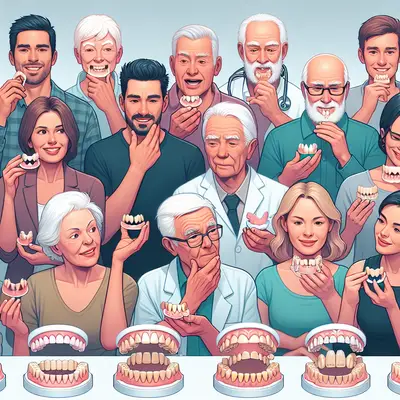
The most successful dentures are rarely the most noticeable ones. They are the quiet collaborators in a life lived with ease, confidence, and minimal compromise. Yet behind every seamless smile lies a series of very deliberate choices—about materials, design, and technology—that most patients are never shown in detail. This guide steps behind the clinical language and offers a more insider’s view of denture types: what truly differentiates them, how to recognize quality beyond the brochure, and the subtle design decisions that change everyday comfort.
Looking Beyond Labels: How Denture Types Are Really Distinguished
Patients are often introduced to denture types using simple categories—full vs. partial, fixed vs. removable, acrylic vs. metal. While accurate, this language is deceptively basic and can obscure what actually affects your day-to-day experience.
A more refined way to think about denture types includes four dimensions: support (how and where the denture is anchored), coverage (how much tissue or tooth structure it contacts), material sophistication (from standard acrylic resins to high-impact, flexible, or hybrid materials), and personalization (from generic tooth molds to fully custom setups for your lip line, facial symmetry, and speaking patterns).
Conventional full dentures rely entirely on the gums and underlying bone for support, while implant-supported overdentures and fixed implant bridges shift the load to the jawbone, often offering more stability and chewing efficiency. Partial dentures may be purely tooth-supported (with metal or tooth-colored clasps) or combine tooth and tissue support, which significantly changes how they feel when you bite and speak. Understanding these underlying design principles allows you to compare options with more nuance than simply “regular vs. premium.”
The Spectrum of Modern Denture Types
Denture types now exist on a continuum, from traditional removable designs to highly engineered, implant-based solutions. Conventional full dentures, made from acrylic and sitting entirely on the gum tissue, remain common and can be excellent when crafted with precision and regularly adjusted. They are particularly suitable when implants are not advisable for medical, anatomical, or financial reasons.
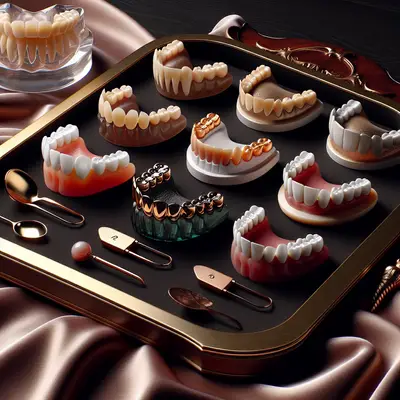
Partial dentures introduce a structural element: a framework that connects replacement teeth to your existing natural teeth. Classic cast-metal partials offer durability and precise fit; flexible partials, typically made of nylon-based materials, trade some rigidity for comfort and aesthetic discretion, especially in visible areas. Then there are implant-assisted options: removable implant overdentures that “snap” into place and fixed full-arch implant bridges that stay in at all times and are removed only by your dentist. These choices are not just about appearance; they determine how much force you can comfortably place on your dentures, how secure they feel when you laugh or speak, and how closely they approach the function of natural teeth.
Material Matters: Subtle Differences You Can Actually Feel
To an untrained eye, many dentures look similar. To the wearer, minor differences in material quality can translate into a substantial distinction in comfort and longevity. Standard acrylic resins are widely used and can be crafted beautifully, but higher-grade, high-impact acrylics resist fracture and can be polished to a glass-like finish that feels gentler on the tongue and cheeks.
Flexible materials, often used in partial dentures, can feel almost fabric-like against soft tissues and are less likely to cause sore spots at the edges. However, their flexibility can make precision adjustments more challenging, and they may not be appropriate in every bite situation. Metal frameworks, typically cobalt-chromium alloys, add rigidity and thinness, which can feel surprisingly unobtrusive once you adapt; the thin metal palate on an upper partial, for example, can preserve more of your natural sense of temperature and taste than a thick acrylic plate. The most refined practices will discuss not only “what” they are using, but “why”—and how those materials will age, respond to polishing, and accommodate future adjustments.
Five Exclusive Insights Denture Wearers Rarely Hear
The following insights are seldom emphasized in standard consultations, yet they often determine whether a denture feels merely acceptable or truly exceptional.
1. The “Neutral Zone” Dictates Natural Speech and Stability
Beyond fitting the gums, high-level clinicians assess your “neutral zone”—the space where your tongue, lips, and cheeks naturally rest and move. If teeth are placed outside this zone, you may experience clicking when speaking, difficulty pronouncing certain sounds, or dentures that feel as if they are being pushed loose by your own tongue. Asking your dentist or prosthodontist how they evaluate and respect the neutral zone can reveal how much attention they give to advanced functional design.
2. Tooth Shape and Arrangement Should Echo Your Facial Architecture
Tooth shade often gets discussed; tooth shape and arch form less so—but they are equally important. A carefully chosen combination of tooth width, incisal edge position (where the biting edges sit relative to the lips), and slight, intentional “imperfections” can prevent that overly uniform, artificial look. Refined denture work considers your midline, smile line, lip support, and even how your face looks at rest to create an arrangement that complements your bone structure rather than simply filling a space.
3. Occlusion (Your Bite) Is the Quiet Architect of Comfort
Many patients assume a denture that “doesn’t hurt” is adequate, but a well-designed bite is about more than avoiding pain. If your bite is slightly imbalanced—more pressure on one side, or premature contact on one area—you may unconsciously shift your jaw, leading to muscle fatigue, sore spots, or tension headaches. Sophisticated denture fabrication involves meticulous bite registration and adjustments over multiple visits, sometimes using articulators that simulate jaw movements. Asking whether your dentures are balanced in both static and dynamic movements (not just when you close, but when you slide your teeth lightly side to side) can prompt a more thorough refinement.
4. Implant Positioning Is as Important as the Implant Itself
For those considering implant-supported dentures, implants are often presented as the upgrade; however, their placement is the true differentiator. Implants set with the final tooth position and lip support in mind can allow for a slimmer, more comfortable prosthesis with better speech and aesthetics. Conversely, implants placed without prosthetic planning can force bulkier designs, less ideal tooth placement, or compromises in how easily the denture can be cleaned. Discussing “prosthetically driven implant planning” with your team—ideally with a prosthodontist involved—helps ensure the denture design, not convenience, dictates implant positions.
5. Future-Proofing Your Denture Design Pays Long-Term Dividends
Bone and soft tissues change over time, particularly after extractions. Thoughtful denture design anticipates this: leaving room for relines, choosing materials that can be easily adjusted or added to, and designing frameworks that can accommodate future tooth loss or implant additions. Ask your clinician how your chosen denture type can be modified over the next 5–10 years. A design that looks perfect on day one but cannot adapt gracefully to normal anatomical changes may cost more—in both comfort and finances—in the long run.
Matching Denture Types to Your Lifestyle, Not Just Your Mouth
While clinical suitability is paramount, lifestyle often decides which denture type will quietly integrate into your daily routine. For those who value absolute stability and are comfortable with a more involved treatment process, implant-supported overdentures or fixed bridges may feel most aligned with their expectations of performance and freedom. Frequent travelers or individuals with dexterity challenges may appreciate designs that are easier to clean, insert, and remove, with fewer intricate clasps or components.
Conversely, a meticulously crafted conventional denture can be ideal for someone seeking a less invasive approach, provided they are willing to attend regular adjustment visits and accept a slightly more deliberate approach to eating very hard or sticky foods. What distinguishes a premium denture experience is not necessarily the most complex option, but the one that is thoughtfully matched to your health profile, habits, and sense of discretion. A careful consultation should explore not just “Can this work?” but “How will this feel at 7 a.m., at a business lunch, and at 10 p.m. on a long day?”
Partnering with the Right Clinician: What to Quietly Look For
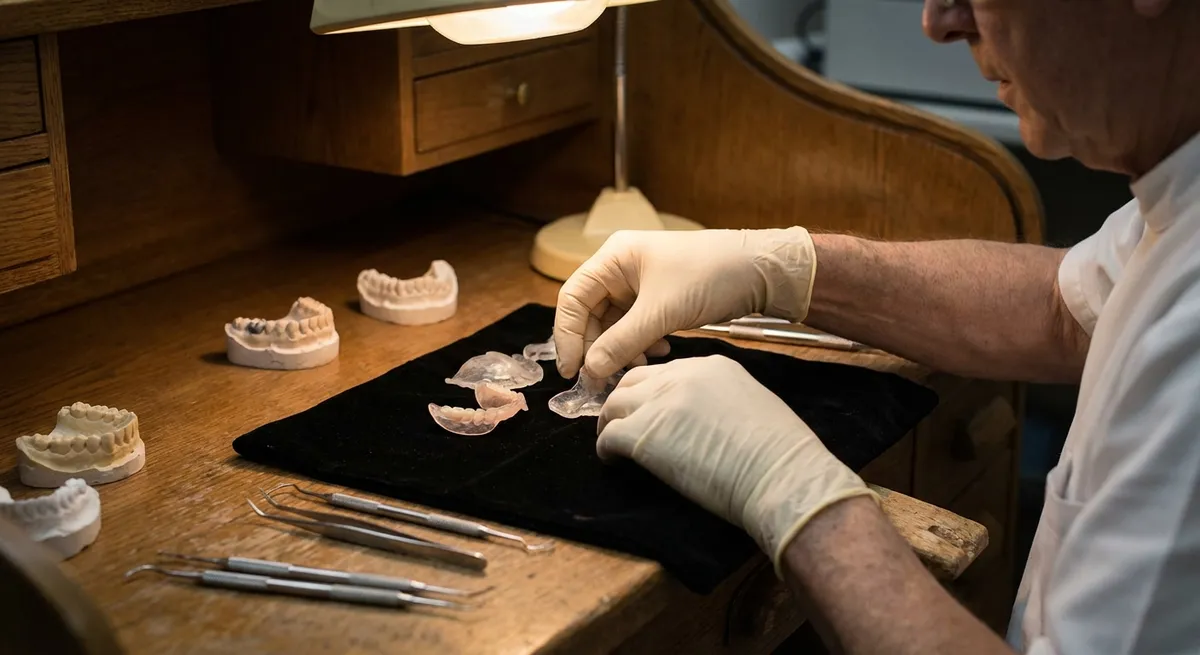
The quality of your denture is inseparable from the expertise of the professional designing it. Dentists with advanced training in prosthodontics or who collaborate closely with skilled dental laboratories can often offer more nuanced solutions. Beyond degrees and titles, the process itself is revealing: Are multiple measurements and try-ins scheduled? Do they take time to evaluate your profile and smile from different angles? Do they encourage your feedback on tooth shape, length, and how you sound when you speak?
A sophisticated denture process often includes at least one “wax try-in,” where tooth position, shape, and bite can be evaluated and refined before the final denture is made. Some practices incorporate digital scanning and CAD/CAM workflows, which can improve precision and reproducibility. Ultimately, the most telling sign is whether you feel you are co-designing your prosthesis rather than passively receiving it. A truly premium result emerges from an informed partnership.
Conclusion
Denture types are far more than a menu of “full,” “partial,” “implant” or “flexible” options. They are structured around subtle choices in anatomy, materials, bite design, and long-term planning—choices that, taken together, dictate how natural your smile will feel in motion, in conversation, and in private. When you view denture types through this more refined lens, you gain the vocabulary and insight to ask better questions, recognize careful craftsmanship, and select a solution that quietly supports the life you actually live. The most elegant denture is not the one that calls attention to itself, but the one that lets you forget about it entirely.
Sources
- American College of Prosthodontists – Dentures Overview – Clinical overview of complete and partial denture options and indications
- Mayo Clinic – Dentures: What to Expect and Types – General explanation of denture types, process, and adaptation
- Cleveland Clinic – Implant-Supported Dentures – Detailed discussion of implant-retained and implant-supported dentures, advantages, and considerations
- National Institute of Dental and Craniofacial Research (NIDCR) – Evidence-based information on tooth replacement options, including dentures and implants
- University of Michigan School of Dentistry – Patient Information on Complete Dentures – Educational resource on complete denture design, fit, and adjustment process
Key Takeaway
The most important thing to remember from this article is that this information can change how you think about Denture Types.