For those accustomed to making considered, high-caliber decisions—whether in wardrobe, travel, or wellness—the choice of denture type deserves the same level of discernment. Modern prosthetic dentistry offers far more than a basic replacement for missing teeth; it offers a quiet, highly tailored enhancement to comfort, confidence, and daily ease. This guide explores major denture types through a refined lens, highlighting subtle distinctions and five exclusive, often-overlooked insights that discerning denture wearers particularly value.
Mapping the Landscape: Primary Categories of Denture Types
Denture types are best understood by how they engage with your existing anatomy—teeth, gums, and bone—as well as the level of permanence and stability they provide. While terminology can feel technical, the underlying principles are elegantly simple when approached thoughtfully.
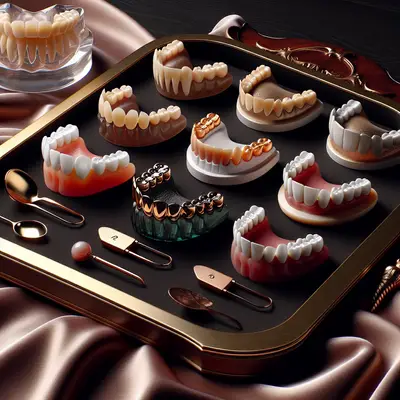
Conventional full dentures are designed for those with no remaining natural teeth in an arch (upper, lower, or both). They rest on the gums and rely on a carefully crafted fit, the contours of your jaw, and sometimes a denture adhesive for additional stability. In contrast, partial dentures integrate with remaining natural teeth, either clasping around them or fitting onto precisely shaped crowns or attachments. This can allow for more nuanced support and a more seamless transition from natural teeth to prosthetic.
Implant-supported and implant-retained dentures represent a more anchored solution. They use titanium implants embedded in the jawbone to provide secure attachment points, dramatically reducing movement and often improving chewing performance. Within this category, some dentures “snap” onto implants (removable by the wearer), while others are fixed, removed only by a dentist. Finally, immediate dentures are placed on the same day teeth are extracted—a temporary but aesthetically reassuring solution while gums and bone heal and reshape.
Understanding these core categories—full, partial, implant-supported, and immediate—creates a framework. From there, your clinician can refine design details such as materials, tooth shape, base contouring, and attachment style to suit not only your anatomy but your lifestyle, aesthetics, and appetite for maintenance.
Full vs. Partial Dentures: Choosing a Graceful Transition
The decision between full and partial dentures is rarely just clinical; it is also about how you wish to experience this transition in your daily life. For those who still have stable, treatable teeth, a partial denture can be a highly strategic choice. It preserves natural tooth structure and the inherent stability of those teeth, while elegantly filling gaps with prosthetic teeth that echo the shade, translucency, and alignment of your own.
Full dentures, by contrast, offer a “complete reset” for those whose remaining teeth are compromised beyond predictability. A well-crafted full denture can deliver a harmonized smile, carefully balanced tooth length, and optimized bite relationship. Upper full dentures often achieve excellent stability due to the palate’s broad surface area, while lower full dentures are more prone to movement, making design precision and follow-up adjustments especially important.
With both full and partial dentures, the subtle art lies in proportion and restraint. Teeth that are too uniformly white or too perfectly aligned can inadvertently look artificial. An experienced prosthodontist or restorative dentist will introduce gentle irregularities in shape, slight variation in shade, and realistic translucency to echo the way natural teeth catch and filter light. This approach avoids an overly “manufactured” look and instead yields a smile that appears quietly natural in both photographs and real life.
Implant-Supported Solutions: Stability with a Refined Sensibility
For those who prize confidence in every setting—from a formal dinner to a spontaneous laugh—implant-supported dentures can offer a reassuring level of stability. These systems typically use two to six implants per arch to anchor a denture, reducing or eliminating the shifting and clicking associated with some traditional removable dentures.
There are two primary aesthetic and practical considerations here: removability and palatal coverage. Implant-retained overdentures “snap” on and off, offering both security and the option to remove the prosthesis at home for meticulous cleaning. Fixed implant dentures (often called “hybrid” prostheses) remain in place and are removed only by your dentist, which can feel more like natural teeth in day-to-day life but requires a commitment to regular professional maintenance.
A noteworthy refinement, especially for the upper arch, is the ability to reduce or fully remove the palatal coverage. Without acrylic over the palate, many people experience better temperature perception and more natural taste, making meals more enjoyable and nuanced. The trade-off is that such designs rely heavily on implant positioning and adequate bone support, emphasizing the importance of thoughtful planning and often 3D imaging.
Implant-based options do demand a higher initial investment—financially, surgically, and temporally—but for many, the outcome is a quietly transformative uplift in function, social ease, and overall quality of life.
Immediate and Transitional Options: Maintaining Poise During Change
The moment teeth are removed can feel emotionally and aesthetically significant. Immediate dentures are designed to ensure you are never without a smile, even during the healing phase. They are fabricated before extractions and placed directly after, offering instant coverage and structure to the lips and cheeks.
However, immediate dentures inevitably become a transitional solution. As gums and underlying bone resorb and remodel over several months, the fit loosens, requiring relines or, eventually, a new definitive denture. Entering this process with clear expectations—understanding that refinement is not only normal but desirable—can reduce frustration and lend a sense of control.
For some, a staged approach is ideal: an immediate denture for healing and social confidence, followed by either a conventional full or implant-supported denture once tissues have stabilized. This phased plan can be orchestrated with a high level of precision, ensuring that each step respects your appearance, comfort, and calendar, with major social or professional commitments factored into the timing.
The most elegant transitions are those where the process is curated like a well-planned renovation: temporary solutions that are not haphazard stopgaps but thoughtfully executed phases leading to a carefully considered final result.
Five Exclusive Insights Savvy Denture Wearers Quietly Rely On
Beyond the obvious comparisons between denture types, there are more nuanced considerations that informed wearers come to value deeply. These insights rarely make headlines, but they profoundly influence day-to-day satisfaction.
1. Tooth Shape and “Midline Conversation” Matter as Much as Color
Many focus on tooth shade alone, but the shape, length, and midline placement of denture teeth can dramatically influence how “natural” your smile appears. Slight asymmetries and gentle contouring around the canine teeth can soften the overall effect. An off-center midline of even 1–2 millimeters can change facial balance, especially in photographs.
Savvy wearers often bring old photos of themselves at various ages to their consultation. This allows the clinician and lab to mirror your natural proportions rather than defaulting to a generic template. When possible, ask to preview tooth mold options on a wax try-in, paying attention not only to whiteness but to personality: bold and straight, or slightly softer and more curved?
2. Base Design Affects Speech and Subtle Facial Support
The thickness, extension, and contour of the denture base (the pink acrylic portion) directly influence speech clarity and esthetics. Overly bulky bases can make consonants like “s” and “t” feel imprecise, while overly thin or short bases may fail to support the lips and cheeks, subtly aging the lower face.
Refined adjustments—thinning acrylic in key speech zones, slightly reshaping the flange to complement your natural lip line, or modifying the incisal edge position of front teeth—can transform how the denture feels when you speak or read aloud. Patients who rely heavily on public speaking, video calls, or performance often benefit from one or two extra adjustment visits solely devoted to fine-tuning speech rather than just addressing sore spots.
3. The “Chewing Strategy” Evolves with Each Denture Type
Different denture types reward different chewing approaches. Traditional full dentures often perform best when food is cut into smaller pieces and chewed bilaterally (using both sides of the mouth at once) to maintain balance and reduce rocking. Implant-supported dentures, especially fixed designs, allow more confident biting into firmer foods and more intuitive chewing patterns that resemble natural teeth.
Experienced wearers often curate a mental “menu” of denture-friendly favorites and identify a few dishes to avoid or modify in high-stakes social settings. For example, swapping crusty baguette for a softer artisan loaf, or choosing sliced apples over whole ones when in public. Over time, this becomes second nature—an elegant adaptation rather than a limitation.
4. Precision in Maintenance Tools Protects Both Dentures and Implants
Maintenance is not simply about cleanliness; it is about preserving the integrity of materials and supporting tissues. Soft-bristled brushes designed specifically for dentures, non-abrasive cleansers, and well-chosen interdental or implant-specific brushes help prevent micro-scratches, plaque buildup, and inflammation around implants.
Those with implant-supported dentures, in particular, benefit from a deliberately curated toolkit: a water flosser set to a gentle setting, super-floss or threaders for accessing under fixed prostheses, and a mild, non-alcoholic mouthrinse that respects the balance of oral tissues. Taking a “capsule collection” approach—owning a few high-quality, well-matched tools rather than a drawer of random products—simplifies the ritual and supports long-term function.
5. Strategic Review Appointments Preserve Fit and Facial Harmony
Perhaps the most underappreciated insight is that dentures, like any finely crafted item, benefit from scheduled review and recalibration. Bone and gum tissues continue to change over time, which can subtly alter how your denture fits, how your bite closes, and even how your lower face is supported.
Discerning wearers often plan annual or semiannual denture assessments, even when nothing feels overtly “wrong.” These visits allow for early relines, bite refinements, polishing, and small aesthetic updates that keep the prosthesis aligned with your current bone structure and appearance. For implant-based solutions, periodic professional removal and deep cleaning are essential to protect the implants themselves and to maintain fresh, pristine surfaces.
This proactive approach transforms denture wear from reactive “problem solving” into an ongoing relationship of refinement—more akin to maintaining a well-tailored wardrobe than simply “fixing” something when it fails.
Aligning Denture Type with Lifestyle, Not Just Anatomy
While the state of your teeth, gums, and jawbone sets certain parameters, the most satisfying outcomes emerge when denture type is aligned with how you live. Someone who travels frequently, enjoys extended dinners, and values low-maintenance routines may prioritize stability and ease of cleaning differently from someone who prefers minimal intervention and fewer clinical visits.
Consider your preferences in several dimensions: appetite for surgery and healing time, tolerance for daily maintenance rituals, sensitivity to subtle changes in speech, and desire for the most natural-feeling bite. A candid discussion with a prosthodontist or restorative dentist—ideally with visual aids such as photos, models, and digital simulations—can help you select not just a clinically suitable denture type, but one that integrates gracefully into the life you already lead.
When chosen thoughtfully and maintained with quiet diligence, modern dentures can be far more than a functional necessity. They can become an understated, reliable refinement—supporting your expression, your confidence, and the effortless ease with which you move through the world.
Conclusion
Selecting the right denture type is less about accepting a compromise and more about curating a solution that respects both your anatomy and your standards. From conventional full and partial dentures to implant-supported and immediate options, each category offers its own balance of stability, aesthetics, and daily experience. The most rewarding outcomes emerge when attention is paid to nuanced factors—fine tooth design, base contours, chewing strategies, maintenance tools, and proactive review.
By engaging with these details and partnering with a clinician who shares your appreciation for precision, you can move beyond the idea of “just dentures” and instead enjoy a prosthetic solution that feels coherent with the rest of your life: considered, discreet, and quietly exceptional.
Sources
- American College of Prosthodontists – Types of Dentures - Overview of full, partial, and implant-supported dentures and their clinical indications
- Mayo Clinic – Dental Implants - Explains dental implant surgery, benefits, and how implants support prosthetic teeth
- National Institute of Dental and Craniofacial Research (NIDCR) – Tooth Replacement Options - Government resource outlining dentures, bridges, and implants as treatment options
- Cleveland Clinic – Dentures: Benefits, Types and Care - Detailed explanation of denture types, fit, and maintenance considerations
- Harvard School of Dental Medicine – Dental Prosthodontics Overview - Educational resource describing prosthodontic approaches, including dentures and implant-supported prostheses
Key Takeaway
The most important thing to remember from this article is that this information can change how you think about Denture Types.