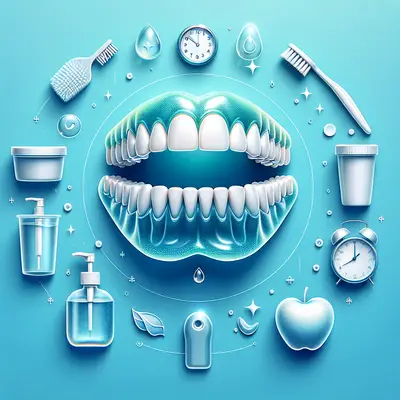
Living with dentures is not merely a clinical adjustment; it is a lifestyle refinement. When crafted and cared for thoughtfully, dentures can restore more than your bite—they can restore quiet confidence, social ease, and the freedom to enjoy food, conversation, and laughter without self-consciousness. This is where subtle technique, small daily rituals, and informed choices make an outsized difference.
Below are five exclusive, often-overlooked insights that help transform dentures from a basic prosthetic into a polished part of your daily life.
Insight 1: Mastering “Private Practice” – The At‑Home Fit Rehearsal
A truly natural-looking smile is as much about movement as it is about appearance. Before debuting new or relined dentures in important social or professional settings, invest time in what might be called a private dress rehearsal.
Spend a few evenings at home reading aloud from a favorite book or article, preferably in front of a mirror. Pay attention to:
- How your lips move over your teeth on “f,” “v,” and “s” sounds
- Whether your dentures shift slightly when you smile broadly or laugh
- Any subtle clicking, whistling, or air escape during speech
If you notice persistent issues—such as a tiny gap at one corner of your mouth when you smile—note them and discuss with your dentist. Minor adjustments to the denture edges or bite can dramatically improve how “effortless” your expression appears.
To refine this further, record a short voice or video memo on your phone. The camera will reveal micro-movements you may miss in real time: a fleeting lip tuck, a hesitant smile, or a guarded laugh. Over a week, you will likely see your confidence and fluidity improve, and if not, you have objective material to bring to your dental appointment.
Insight 2: Curated Texture, Not Just Taste – Designing a “Denture‑Friendly” Menu
Most advice for denture wearers focuses on what to avoid. A more elevated approach is to design a personal “texture repertoire” that supports both pleasure and control.
Instead of thinking in terms of forbidden foods, think in terms of textures that work with your dentures:
- Tender, structured proteins (slow-cooked meats, poached fish, softly grilled tofu) offer substance without requiring aggressive biting.
- Al dente but not tough pastas and grains (barley, quinoa, well-cooked brown rice) provide satisfying chewing while remaining manageable.
- Refined crunch from thinly sliced apples, cucumbers, or lightly toasted bread can often be enjoyed when cut small and chewed on both sides evenly.
During restaurant visits, opt for dishes that can be discreetly refined at the table: cutting components into smaller, elegant bites using knife and fork demonstrates sophistication rather than fragility. Consider requesting sauces or dressings on the side so you can subtly enhance moisture and glide, making chewing easier.
Keeping a brief “food journal” for two weeks—what you ate, how it felt, and where any challenges arose—allows you to identify your ideal textures. Bring this to your dentist or prosthodontist; they can often fine‑tune your bite or advise adhesive strategies that match your preferred cuisine rather than forcing you to give it up.
Insight 3: A Precision Routine for Nighttime Denture Care
Sophisticated denture care is as much about timing and sequence as it is about products. A refined evening ritual can extend the life of your dentures and preserve the health of your gums.
Consider this polished sequence:
Initial Rinse
Immediately after your last meal or drink (other than water), remove your dentures and rinse them under cool or lukewarm water to dislodge loose debris. Avoid hot water, which can subtly warp some materials over time.
Dedicated Denture Cleanser, Not Toothpaste
Use a non-abrasive denture cleanser with a soft denture brush. Standard toothpastes can be surprisingly harsh, creating microscopic scratches that trap stains and bacteria. Pay particular attention to the inner surfaces that rest against your gums and palate, as this is where biofilm can quietly accumulate.
Gum and Tongue Ritual
With dentures removed, gently brush your gums, tongue, and palate with a soft toothbrush and water or a mild, non-alcoholic rinse. This is the moment that helps prevent sore spots, fungal overgrowth, and bad breath—issues that undermine confidence even when the dentures themselves look pristine.
Soaking With Intention
Soak your dentures overnight in a fresh denture-soaking solution, following the manufacturer’s instructions. For metal-containing partials, use a product designed for that material to avoid corrosion. Never leave dentures to dry out; dehydration can distort the fit over time.
Morning Rinse and Inspection
In the morning, rinse your dentures thoroughly with water before placing them in your mouth. While rinsing, inspect for hairline fractures, rough edges, or changes in color. This tiny daily inspection can catch issues early, before they escalate into discomfort or visible damage.
This deliberate, five-step ritual moves beyond basic cleanliness and becomes an act of preservation—of both the prosthesis and your oral health.
Insight 4: Strategic Adhesive Use as a Confidence Tool, Not a Crutch
Adhesives are often misunderstood. When used thoughtfully, they can be a subtle enhancement to stability and comfort, particularly for long days, public speaking, travel, or important occasions.
Consider these refined strategies:
- Use the minimal effective amount. A thin, well-placed layer often works better than an overly generous one, which can ooze and feel messy.
- Focus on perimeter control. Carefully placing a modest ring or series of dots near the edges of the denture base can reduce the sensation of micro-movement while speaking or chewing.
- Reserve “maximum hold” days. If you know you’ll be in meetings, dining out, or photographed, slightly increase adhesive (within product guidelines) for peace of mind, while keeping regular days lighter to allow your tissues to rest.
- Reevaluate when dependence increases. If you find yourself needing ever more adhesive for the same sense of security, this can indicate bone changes or denture wear. The sophisticated response is not more product—it’s a reassessment of fit with your clinician.
By treating adhesive as a strategic accessory rather than a constant necessity, you preserve both oral tissue health and personal confidence. You also retain the ability to notice subtle shifts that signal when adjustments or a new appliance may be needed.
Insight 5: Subtle Aesthetic Nuances That Separate “Nice” From “Natural”
A beautifully crafted denture is not simply white and straight. Its elegance emerges from the small, almost imperceptible details that mirror natural teeth and gums. Working with a dentist or prosthodontist who understands these nuances can be transformative.
Key elements to discuss:
- Shade with dimension, not uniform brightness. Natural teeth are not a single shade of white. They have gradations—slightly darker near the gumline and more translucent at the edges. A carefully chosen shade that harmonizes with your skin tone and lip color often looks more youthful and believable than a “dental-bleach” white.
- Subtle texture and contour. Very flat, glassy teeth can look artificial under certain lighting. A skilled laboratory can introduce delicate surface texture that mimics the light reflection of natural enamel.
- Gingival (gum) aesthetics. Premium dentures can include refined gum coloration with gentle variations rather than a uniform pink. This can create the impression of natural tissue contours instead of a single, opaque band.
- Individualized alignment. A barely perceptible rotation, a slight variance in tooth height, or a softened midline can all contribute to a uniquely “yours” result, instead of the unmistakable look of a generic denture.
Bring photos of your natural smile, if available, or select reference images that feel authentic to you rather than aspirationally perfect. The aim is not a Hollywood veneer effect but a harmonious, personal elegance—teeth that look like they belong to your face, in every setting and under every light.
Conclusion
Denture care at its highest level is not about rigid rules—it is about informed refinement. From practicing speech in private to curating food textures, from a deliberate nighttime routine to strategic adhesive use and nuanced aesthetics, each discreet adjustment shapes how comfortably and confidently you inhabit your smile.
When you treat your dentures as part of a considered personal routine rather than a necessary compromise, they can become an asset—a quiet foundation for the way you speak, eat, and present yourself to the world.
Sources
- American College of Prosthodontists – Dentures Overview – Clinical information on types of dentures, fit, and care recommendations
- Mayo Clinic – Dentures: Common Questions and Care – General guidance on living with and caring for dentures
- Cleveland Clinic – Dentures: Function, Types & Care – Practical details on maintenance, adhesives, and when to see a dentist
- National Institute of Dental and Craniofacial Research (NIDCR) – Evidence-based information on tooth replacement options, including dentures
- Harvard Health Publishing – Tooth Loss and Replacement Options – Context on the functional and aesthetic impact of tooth replacement choices
Key Takeaway
The most important thing to remember from this article is that this information can change how you think about Denture Care.