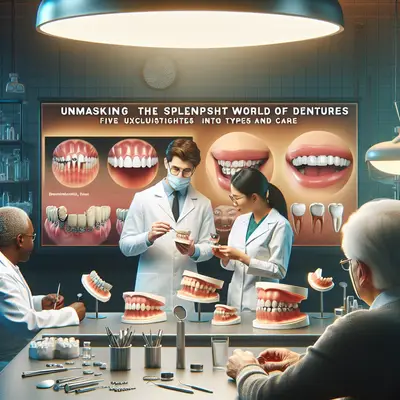
The right dentures should feel less like a medical device and more like a discreet extension of your personal style. Today’s prosthetics are not merely about filling spaces—they are curated instruments of expression, function, and comfort. For those who expect more than “good enough,” understanding the nuances between denture types is essential to achieving a smile that feels genuinely your own.
This guide offers a polished, high-level view of modern denture options, along with five exclusive insights that sophisticated denture wearers quietly rely on to elevate both comfort and confidence.
The Modern Denture Landscape: Beyond “Full” and “Partial”
The traditional language of “full” and “partial” dentures barely captures what is now available. Contemporary prosthodontics offers a spectrum of solutions, each with its own character, performance, and aesthetic potential.
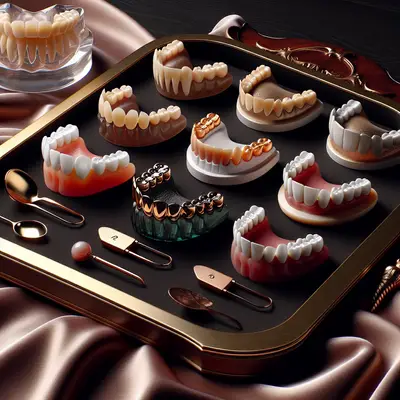
Full dentures remain the classic choice when all teeth in an arch are missing, but even within this category, you’ll find significant variation in materials, tooth shapes, translucency, and base design. Partial dentures, once thought of as a purely utilitarian solution, can now be crafted to blend seamlessly with natural teeth, often using metal-free designs and low-profile frameworks that respect the contours of the mouth.
Overlaying these traditional categories is an entirely separate class: implant-supported dentures. These leverage dental implants as anchors, giving the prosthesis an elevated sense of stability and presence. For those seeking minimal movement, enhanced bite strength, and a more “fixed” feeling, implant anchorage often feels like the gold standard.
The true sophistication lies in how these categories can be customized, combined, and fine-tuned. What matters is not merely what type of denture you choose, but how thoughtfully it is curated to your facial structure, lifestyle, and expectations.
Premium Materials and Their Subtle Advantages
Not all dentures are created equal. The raw materials used in the base and teeth profoundly influence appearance, durability, and day-to-day refinement.
Conventional acrylic remains a mainstay for denture bases because it’s lightweight, adaptable, and relatively easy to adjust. Higher-grade acrylics, however, can offer improved stain resistance, finer color-matching to natural gums, and a more polished surface that feels luxurious against the inner lip and tongue. In aesthetic zones, this can make the difference between a denture that looks “acceptable” and one that disappears into your overall appearance.
Tooth materials vary as well. Standard acrylic teeth are economical and gentle on opposing teeth, but premium composite or nano-hybrid teeth can mimic the subtle translucency, surface texture, and tonal variation of natural enamel. These finer details are especially appreciated under bright lighting or close social interactions, where uniform, opaque teeth may appear artificial.
Metal frameworks—often cobalt-chromium alloys—still underpin many partial dentures, prized for their strength and slim profile. There is now a parallel trend toward flexible, metal-free materials that prioritize comfort and aesthetics. The ideal framework is not merely strong; it should also respect the architecture of your mouth and the visible areas of your smile.
An elevated denture experience is rarely about one single “miracle” material; it’s about choosing a sophisticated blend of elements that balance beauty, resilience, and long-term comfort.
The Distinct Roles of Conventional, Immediate, and Overdentures
Timing and anchorage are two understated dimensions that significantly influence which denture type is right for you. Three categories are especially relevant: conventional dentures, immediate dentures, and overdentures.
Conventional dentures are crafted after teeth have been removed and the gums have largely healed. This approach allows the dentist or prosthodontist to work with a more stable foundation, often resulting in a more precise, enduring fit. The trade-off is a temporary period without teeth, which many patients understandably wish to avoid.
Immediate dentures address that concern by being placed on the same day teeth are removed. They maintain appearance and basic function during the healing phase. However, because the underlying tissues continue to change as they heal, these dentures often require relining, adjustments, or eventual replacement to maintain a comfortable, refined fit.
Overdentures bridge the gap between removable prosthetics and a “fixed” feeling. They are designed to sit over retained tooth roots or dental implants, using them as stabilizing anchors. This design helps preserve underlying bone, supports better chewing efficiency, and often delivers a sense of security that conventional dentures cannot match.
Understanding where you are in your oral health journey—pre-extraction, post-healing, or implant-ready—can help clarify which of these types is most aligned with your needs and your long-term expectations.
Exclusive Insight #1: The “Facial Architecture” Fit Matters More Than the Dental Chart
Many denture consultations focus heavily on bite, tooth count, and mechanics. While these are unquestionably vital, discerning wearers benefit from a more holistic lens: how the denture supports and harmonizes the entire face.
A well-conceived denture does more than restore teeth; it gently refines the lower third of the face. It can subtly lift collapsed lip support, soften deep facial lines around the mouth, and improve the contour of the jawline. This is where details like vertical dimension (the space between the upper and lower jaws when teeth are in contact) and lip support become quietly transformative.
Different denture types—particularly implant-supported overdentures versus conventional full dentures—offer varying capacities to restore this facial architecture. Implants can help anchor the dentures in a position that maintains a more youthful, supported profile, while carefully crafted conventional dentures can still achieve elegance through meticulous adjustments of tooth length, angulation, and base thickness.
When evaluating denture options, ask not only, “Will I be able to chew?” but also, “How will this choice influence my profile, my lip support, and the way my face reads at rest?” That’s where the real artistry resides.
Exclusive Insight #2: Occlusion (Your Bite) Defines Daily Comfort More Than Material Alone
Materials often get the spotlight, but the way your upper and lower teeth meet—your occlusion—will shape your everyday experience more profoundly than most people realize.
Different denture types handle bite forces differently. Implant-supported dentures can tolerate more pressure and allow for a more natural chewing style, while conventional dentures often require a more measured, bilateral chewing pattern to remain stable. Partial dentures must integrate with natural teeth, respecting existing bite patterns while mitigating any imbalances.
An imprecise occlusion can lead to sore spots, instability, clicking or rocking, and even tension in the jaw joints and facial muscles. Yet when carefully calibrated—through multiple try-ins, minor occlusal adjustments, and periodic refinements—the bite can feel surprisingly natural and predictable.
Refined denture care isn’t simply about cleaning and soaking; it includes regular professional evaluations of your bite as your tissues and habits evolve. The most comfortable denture wearers are often those who quietly schedule occlusal checks as a non-negotiable part of their ongoing regimen.
Exclusive Insight #3: Implant-Supported Options Are Scalable—Not All or Nothing
Implant-supported dentures are frequently perceived as a luxury reserved only for full-arch reconstructions, but the reality is more nuanced and approachable.
For some, a minimal number of implants—often two in the lower jaw—can transform a previously unstable lower denture into a far more secure overdenture. This doesn’t require a full fixed bridge; instead, the existing or new denture is modified to “snap” onto implant attachments. The result is greatly reduced movement, improved chewing confidence, and a more poised daily experience.
Others may opt for a more extensive approach with multiple implants per arch, allowing for hybrid prosthetics that are either permanently fixed or only removable by a dental professional. This class of solution typically performs more like natural teeth in both strength and stability.
The key sophistication lies in understanding that implant support is modular. You may begin with a modest number of implants to enhance a conventional denture and expand the solution over time as your goals, comfort, and resources evolve. It is less a single decision and more a trajectory.
Exclusive Insight #4: Tooth Shape, Shade, and Texture Quietly Signal Authenticity
While many clinics offer a basic selection of tooth shades and sizes, the finer details of tooth shape and surface texture often determine whether your dentures look “done” or truly believable.
Subtly irregular incisal edges (the biting edges of the front teeth), faint rotations, and non-uniform translucency can mimic natural variation and soften the “dentured” look. Conversely, identical, overly straight teeth with flat edges may create an unmistakably artificial impression—especially in photographs or bright lighting.
Different denture systems and labs offer tiered levels of tooth aesthetics. High-end options may provide multilayered teeth with naturally fading color gradients, micro-texturing that interacts elegantly with light, and shapes that can be selected to complement your gender expression, facial shape, and age.
An experienced practitioner will often conduct a “smile design” conversation that goes beyond shade numbers: discussing whether you prefer a refined, symmetrical look or a more character-rich, natural aesthetic. Considering these elements when choosing your denture type—especially with implant-supported or premium acrylic options—can dramatically influence how confident and authentic you feel in close social settings.
Exclusive Insight #5: Adaptation Is a Process—Your Denture Type Should Anticipate Change
One of the least-discussed aspects of denture selection is that your mouth is not static. Bone resorbs, muscles adapt, and habits shift over time. Choosing the right denture type is as much about planning for this evolution as it is about solving today’s concerns.
Conventional full dentures often require periodic relining as the jawbone remodels, especially in the first year after extractions. Immediate dentures are almost guaranteed to need material added to their inner surface to maintain fit as swelling subsides and tissues change. Implant-supported dentures can slow bone loss around implant sites, but adjacent areas may still evolve subtly.
Refined denture planning considers these future adjustments from the outset. You may start with an immediate denture, transition to a more tailored conventional or implant-supported solution, and then anticipate scheduled relines or remakes on a multi-year horizon. Thoughtful practitioners will openly discuss this timeline, so each stage feels intentional, not reactive.
Understanding that adaptation is expected—not a failure—allows you to see your denture type as part of a well-curated journey rather than a one-time transaction.
Conclusion
Modern denture types offer far more than a binary choice between “full” and “partial.” When approached with discernment, they become a highly individualized blend of aesthetics, function, and long-term planning. From the quiet advantages of implant anchorage to the artistry of tooth selection and facial support, today’s dentures can be tailored to meet an elevated standard of daily life.
For those who value subtlety, stability, and a sense of personal refinement, the most rewarding denture is not simply the one that fits—it is the one that has been thoughtfully curated to your face, habits, and aspirations. Engaging in a deeper conversation with your dental specialist about these nuances is the first step toward a smile that feels less like a compromise and more like a considered choice.
Sources
- American College of Prosthodontists – Complete, Removable Partial, and Implant-Supported Dentures – Clinical overview of major denture types and indications
- Mayo Clinic – Dentures: What to Expect and Types – General patient-focused information on different denture approaches and adaptation
- National Institute of Dental and Craniofacial Research (NIDCR) – Tooth Replacement Options – Authoritative explanation of dentures, implants, and other prosthetic options
- Cleveland Clinic – Dental Implants and Implant-Supported Dentures – Detailed discussion of how implants are used to stabilize dentures
- Columbia University College of Dental Medicine – Removable Partial Dentures – Educational resource on design considerations and materials for partial dentures
Key Takeaway
The most important thing to remember from this article is that this information can change how you think about Denture Types.