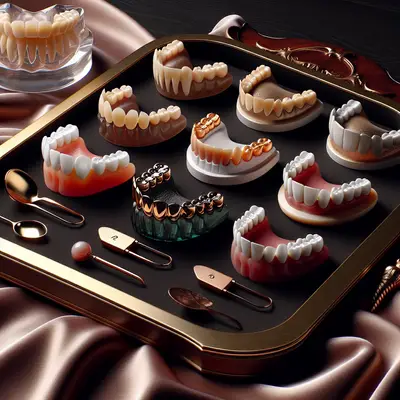
Elegance in dentistry is no longer confined to straight, white teeth. For today’s discerning denture wearer, the true luxury lies in personalization—selecting a denture type that aligns with your facial structure, lifestyle, and sense of self. Beyond clinical terminology, each material and design choice quietly shapes how you speak, dine, laugh, and appear in photographs. This guide explores denture types through a refined lens, with five exclusive insights that elevate the conversation from “what fits” to “what truly suits you.”
Understanding the Major Denture Families
At the broadest level, dentures fall into a few main categories: complete dentures (for those missing all teeth in an arch), partial dentures (for strategic gaps), and implant-supported options (where prosthetic teeth are anchored to titanium posts placed in the jaw). Within these families, a great deal of nuance exists—acrylic bases, metal frameworks, flexible polymers, and high-impact resins all influence comfort and aesthetics in subtle but meaningful ways.
Complete dentures typically use a carefully sculpted acrylic base that mimics gum tissue and supports a full arch of prosthetic teeth. Partial dentures may employ a slender metal framework with precision clasps or more inconspicuous attachments that blend into your natural dentition. Implant-supported dentures, whether fixed or removable, offer enhanced stability and a sense of “forgetting” you are wearing a prosthesis at all. Understanding these structural differences is the starting point for a more refined, bespoke conversation with your dentist or prosthodontist about your ideal match.
The Aesthetic Palette: How Denture Types Shape Your Look
Denture types differ not only in function but in how they frame your face. The thickness of the base material, the design of the palate, and how teeth are arranged all contribute to lip support, cheek fullness, and jawline definition. A complete acrylic denture, for instance, provides opportunities to subtly restore lost volume in the midface, softening fine lines around the mouth and balancing facial proportions.
Partial dentures, when thoughtfully designed, can close dark spaces in the smile and enhance the symmetry and “rhythm” of your teeth. Implant-supported dentures often allow for a slimmer palate or no palate at all on the upper arch, which can affect how light moves around your smile and the natural translucency of the prosthetic teeth. The overall aesthetic experience is less about “having dentures” and more about curating a facial profile that looks harmonious and quietly confident—especially under varied lighting, from daylight to candlelit dinners.
Functional Distinctions: Comfort, Speech, and Dining
Each denture type offers a distinct functional profile that becomes apparent in daily rituals—morning coffee, business lunches, evening conversations. Traditional full dentures rely on a combination of fit, muscle control, and sometimes adhesive to remain stable; when well-crafted, they can provide comfortable chewing and clear speech, though adaptation may take patience and practice. Material choice matters: high-impact acrylics tend to be more durable, while certain modern resins can feel lighter on the tissues.
Partial dentures share the workload with remaining natural teeth, which can help preserve chewing efficiency if forces are well-distributed. Implant-supported dentures elevate function further, particularly for those frustrated by movement or sore spots; the anchorage can make biting into firmer foods more predictable and speech more natural. Your preferred cuisine, social habits, and professional demands all influence which functional profile will feel most aligned with your life—not just your mouth.
Five Exclusive Insights Discerning Denture Wearers Appreciate
1. Micro-Details in Tooth Design Matter More Than You Think
Beyond shade selection, the shape, surface texture, and translucency of denture teeth dramatically affect how “real” a smile appears. Premium denture lines often offer layered ceramics or advanced acrylic teeth with subtle surface ridges, slight rotation, and varied incisal translucency that mimic natural aging patterns. Discuss with your dentist whether your denture type allows for this level of customization—especially if you are considering implant-supported or high-end complete dentures. The right tooth design can soften the “dentures look” into something quietly authentic.
2. The Base Material Influences Facial Harmony, Not Just Comfort
Acrylic, metal frameworks, and flexible polymers each have different thickness and support characteristics. A meticulously sculpted acrylic base on a complete denture can restore lost facial volume, but an overly thick base may crowd the tongue or alter phonetics. Partial dentures with a metal framework can be made thinner for a more refined feel, while certain flexible partials may offer gentler contact with the gums but fewer options for precise tooth positioning. Choosing a denture type is essentially choosing how your soft tissues will be supported—and how your face will look in profile.
3. Implant-Supported Dentures Are Not “All or Nothing” Luxury
Many assume implant-supported dentures require a full arch of implants and a fixed, non-removable bridge. In reality, there are elegant hybrid options: for example, a removable overdenture stabilized by just two to four implants. This configuration often permits a more slender palate, significantly improved stability, and a great boost in confidence without the financial and surgical commitment of a full fixed restoration. For the sophisticated wearer, this middle ground can deliver a premium everyday experience while preserving flexibility for future enhancements.
4. Different Denture Types Age Differently in Photographs
Under flash photography or studio lighting, shine, opacity, and gum-line contours are magnified. Conventional acrylic gums may reflect light differently than your natural soft tissue, making transitions between partial dentures and real teeth more noticeable. Higher-end materials and meticulous shading techniques can soften this effect. Implant-supported restorations, which may use advanced ceramics and precision-milled frameworks, often photograph more naturally because they allow for more lifelike emergence profiles and subtle gum contours. If you appear in photographs frequently—socially or professionally—raise these aesthetic considerations when choosing between denture types.
5. “Future-Proofing” Your Choice Can Save You Stress Later
Your first denture may not be your last, but the type you select now can either simplify or complicate future upgrades. A thoughtfully planned partial denture can be designed with an eye toward possible implant placement later, ensuring clasps, attachments, and tooth positions won’t conflict with upcoming treatment. Likewise, you might opt for a traditional complete denture crafted with implant conversion in mind, so that if you decide to add implants, the existing prosthesis can be adapted as an overdenture rather than replaced entirely. Asking how adaptable a given denture type is over five to ten years is a mark of truly strategic, elevated care.
Matching Denture Types to Lifestyle and Personal Priorities
For those who travel frequently, socialise often, or manage demanding careers, convenience and predictability may outrank all else. A well-designed implant-supported overdenture, for example, can offer a reassuring sense of security during long days, important presentations, or dinners where you prefer to focus on conversation, not on whether your prosthesis will shift. Those who prioritise a non-surgical route may appreciate the refinement possible with premium complete or partial dentures, enhanced by precise adjustments and periodic relines.
Your tolerance for adaptation, your appetite for surgical intervention, and your long-term cosmetic goals all intersect when choosing among denture types. Some clients prefer to begin conservatively with a beautifully crafted removable option and reassess after they have lived with it; others aspire to move directly into a more permanent, implant-based solution. The key is to select a pathway that reflects not only your oral health but your personal aesthetic standards and day-to-day rhythms.
Collaborating with a Specialist for a Truly Bespoke Result
While general dentists can provide excellent care, a prosthodontist—specialising in complex restorations and denture design—may offer an elevated level of nuance when you are exploring different denture types. These specialists often work closely with dental laboratories that can deliver fine detailing in tooth selection, gum sculpting, and occlusion (how your teeth meet) that makes all the difference between “acceptable” and “exceptional.”
During your consultation, bring photographs of your natural smile, or of smiles you admire, to illustrate your aesthetic preferences. Ask to review mock-ups, digital smile designs, or wax try-ins that show how each denture type might present in your mouth and on your face. The most satisfying outcomes emerge from a collaborative, iterative process—one that respects your taste, honours your daily needs, and treats your prosthesis as part of your overall personal style.
Conclusion
Choosing among denture types is less a binary clinical decision and more an exercise in self-definition. Complete, partial, and implant-supported dentures each bring distinct aesthetic and functional signatures, which can be fine-tuned through material choice, tooth design, and long-term planning. By paying attention to micro-aesthetics, facial support, lifestyle demands, and future adaptability, you transform your prosthesis from a mere replacement into a considered extension of your identity. In the realm of modern denture care, true luxury is not about excess—it is about alignment: between how you look, how you feel, and how effortlessly your smile accompanies the life you lead.
Sources
- American College of Prosthodontists – Types of Dentures - Overview of complete, partial, and implant-supported dentures and their indications
- Mayo Clinic – Dentures: Options, Procedure and Care - General guidance on denture types, benefits, and what to expect
- Cleveland Clinic – Dentures: What to Expect - Detailed explanations of denture materials, fit, and maintenance considerations
- National Institute of Dental and Craniofacial Research (NIDCR) - Evidence-based information on tooth replacement options, including dentures and implants
- Harvard School of Dental Medicine – Implant-Supported Prostheses Overview - Professional-level insights into implant-supported prosthetic options and their advantages
Key Takeaway
The most important thing to remember from this article is that this information can change how you think about Denture Types.