A well-made denture is no longer a generic solution; it is a bespoke appliance that can be tuned as carefully as a tailored suit. Today, denture types are less about “what’s available” and more about “what aligns with your lifestyle, preferences, and long-term oral health.” Understanding these options empowers you to ask better questions, expect higher standards, and collaborate with your clinician to create a refined, comfortable, and natural-looking smile.
This guide moves beyond the basic “full vs. partial” conversation and explores how different denture types perform in everyday life—how they feel, function, age, and integrate into your routines. Woven throughout are five exclusive, nuanced insights that discerning denture wearers quietly rely on, but that are rarely explained in depth.
Mapping the Landscape: Core Denture Types and Their Roles
Denture types can be broadly categorized, but the true difference lies in how they are designed and customized for you. Understanding the foundational options helps you see where subtle refinements can elevate your experience.
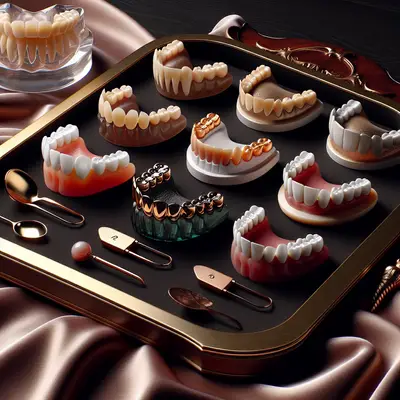
Conventional full dentures replace all teeth in an arch after remaining teeth are removed and the gums have healed. They are the classic option and remain widely used for their reliability and adaptability. Materials range from basic acrylics to higher-grade, layered acrylic and composite teeth that better mimic natural translucency and shade variation.
Immediate dentures are placed the same day teeth are extracted, so you never go without teeth during the healing phase. They require more adjustments as the bone and gum tissue remodel, but they offer psychological and social ease during a transitional period, especially for professionals and those constantly in the public eye.
Partial dentures restore areas where some natural teeth remain. They can be fabricated as traditional metal-based frameworks (often cobalt–chromium) for strength and slimness, or as flexible resin designs that prioritize aesthetics and comfort at the expense of some long-term stability.
Implant-supported dentures use dental implants as anchors, offering enhanced stability and chewing power. These can be removable overdentures that snap into place, or fixed hybrid restorations that stay in permanently and are removed only by your dentist.
Insight 1 – The overlooked “fit profile”: Two patients with the same denture type can have entirely different experiences based on their bone shape, gum resilience, and saliva quality. Asking your dentist not only “what type is this?” but “how does my anatomy influence how this type will perform for me?” invites a more sophisticated personalization from the start.
Aesthetic Nuance: How Denture Types Shape Expression and Presence
The artistry of modern dentures lies in their ability to avoid the “denture look.” This is not simply a matter of tooth color; it’s the choreography between tooth shape, gum contour, translucency, and how light interacts with the smile.
High-end full and partial dentures can be crafted with multi-layered teeth that mimic natural enamel’s depth, rather than a flat, opaque shade. Subtle gradations—slightly darker at the neck, gently translucent at the edge—create a realism that reads as “elegant teeth” rather than “artificial replacement.”
Gingival (gum) aesthetics are particularly important in full dentures and implant-supported restorations. Premium designs can include natural-looking gum stippling, tiny tonal variations, and gentle contouring that reflects how real tissue supports teeth. These details affect how your smile appears in close-up photos and under different lighting, including harsh conference-room fluorescents and softer evening lighting.
Partial dentures introduce another layer: the visibility of clasps. Metal frameworks can be strategically designed so clasps are as inconspicuous as possible, or replaced with tooth-colored or gum-colored alternatives in selected situations. Flexible partials, while not ideal for every case, can sometimes reduce visual hardware for those most concerned about detectable metal.
Insight 2 – Micro-adjustments to tooth form change perception: Shortening or slightly softening the shape of just two front teeth can reduce a “too perfect” look and bring the smile into a refined, believable harmony. When discussing denture types, also ask: “Can we preview variations in tooth length, shape, and arrangement before finalizing?”
Function and Comfort: How Different Denture Types Behave in Real Life
Function is where denture types separate themselves most clearly. Comfort, chewing efficiency, speech clarity, and long-term jaw health depend on choosing a type aligned with your functional demands.
Traditional full dentures rely on a combination of suction, muscle control, and meticulous fit. Upper dentures often achieve better stability due to the palate, while lower dentures—resting on a smaller, mobile ridge—tend to be more challenging. Those who enjoy varied, textured diets or speak frequently in professional settings may find this instability frustrating over time.
Implant-supported dentures dramatically improve retention. Even two implants under a lower denture can significantly decrease movement, making chewing more secure and speech more predictable. A fixed implant-supported bridge offers the highest level of stability, though it requires sufficient bone, an investment of time, and a higher financial commitment.
Partial dentures rely on remaining teeth for support and retention. A well-designed metal partial can feel surprisingly slim and unobtrusive, while poorly designed options can feel bulky and unstable. Flexible partials provide a soft, more forgiving feel but can be harder to adjust precisely and may exert unfavorable forces if not carefully planned.
Insight 3 – “Test drive” foods reveal more than a mirror ever will: When trialing a new denture type—especially when upgrading to implant support—choose a consistent set of “test drive” foods: something crisp (like a firm apple slice), something fibrous (like steamed vegetables), and something that previously felt risky (like seeds or nuts, if safe for you). Tracking how each denture type handles these quietly reveals which solution truly fits your lifestyle.
Longevity, Maintenance, and How Material Choices Quietly Shape Your Experience
Not all dentures age the same way. Material selection and how the denture is engineered will significantly influence longevity, maintenance needs, and day-to-day refinement.
High-quality acrylic and composite teeth resist wear better, helping maintain proper bite relationships over time. Lower-grade materials may flatten more quickly, subtly changing how your jaw closes and potentially leading to muscle fatigue or jaw discomfort. Similarly, a robust metal framework in partial dentures often outlasts all-acrylic or flexible designs in terms of shape stability.
Implant-supported dentures introduce a different maintenance rhythm. While they tend to be more stable and comfortable, they require a deliberate care plan for both the implants (to prevent peri-implant disease) and the prosthesis (to maintain hygiene around attachments and under any fixed components). Regular professional cleanings and periodic component replacement (such as worn clips or inserts) are part of the expected life cycle.
Relines—adding new material to the fitting surface—help conventional dentures adapt as bone and gum contours change over the years. Patients who proactively schedule relines, rather than waiting until the denture feels “loose,” often maintain more dignified comfort and chewing efficiency.
Insight 4 – The “refresh cycle” is as important as the initial choice: When selecting a denture type, ask your dentist: “What does an ideal maintenance schedule look like for this choice?” Planning for strategic relines, attachment replacements, and periodic professional polishing transforms your dentures from a static appliance into a curated, evolving piece of oral equipment that continues to feel premium over time.
Lifestyle Alignment: Matching Denture Types to Your Daily Rhythm
One of the most refined ways to think about denture types is to consider how they integrate into your life—work, travel, dining, social engagements, and personal rituals.
For frequent travelers, especially those crossing time zones, removable dentures may offer a sense of control—you can clean them thoroughly in unfamiliar environments and manage sore spots with ease. For others, particularly those on camera or speaking regularly, the confidence of an implant-supported, highly stable solution may be worth the additional investment and treatment time.
Those with dexterity challenges or visual limitations may find smaller clasps or complex partial frameworks difficult to manage, nudging the choice toward simpler designs or implant support. Conversely, individuals who value the flexibility of being able to remove and deeply clean their prosthesis may prefer removable solutions even when fixed options are available.
Flexibility in appearance also matters. Some patients keep a “primary” premium denture and a more basic backup denture for emergencies, travel, or sports-related risk. This is rarely discussed but can provide exceptional peace of mind, especially for those whose professional or social presence is closely tied to their smile.
Insight 5 – A discreet “Plan B” enhances confidence: For those who rely on their smile as part of their personal brand, asking about a backup appliance—such as a simplified spare denture or an interim partial—provides a safety net if your primary prosthesis is ever damaged or being serviced. This quiet redundancy can be the difference between a minor inconvenience and a major disruption.
Conclusion
Selecting a denture type is less about picking from a menu and more about commissioning a piece of functional craftsmanship that fits the contours of your life. From the subtleties of tooth shape and gum aesthetics to the stability of implant support and the foresight of a maintenance plan, every decision contributes to how naturally your smile integrates into your daily rhythm.
By elevating the conversation beyond “full, partial, or implant” and engaging with the finer points—fit profile, aesthetic nuance, real-world function, longevity strategy, and lifestyle alignment—you position yourself not merely as a patient, but as a discerning collaborator in the creation of your own refined, confident smile.
Sources
- American College of Prosthodontists – Types of Dentures – Overview of full, partial, and implant-supported dentures and their indications
- Mayo Clinic – Dentures: What to Expect and How to Care for Them – General information on denture use, adjustment, and maintenance
- National Institute of Dental and Craniofacial Research (NIDCR) – Tooth Replacement Options – Evidence-based discussion of dentures, implants, and related treatment choices
- Cleveland Clinic – Implant-Supported Dentures – Detailed explanation of implant-retained dentures, benefits, and care considerations
- Harvard Health Publishing – What to Know About Dentures and Oral Health – Insights into how dentures affect oral health and long-term function
Key Takeaway
The most important thing to remember from this article is that this information can change how you think about Denture Types.