For those who view personal care as an extension of their aesthetic standards, dentures are not merely functional devices—they are curated design pieces, worn every day. Choosing the right denture type is less about “making do” and more about achieving comfort, discretion, and confidence that feel utterly natural to you. This guide explores the landscape of denture types with a refined lens, and shares five exclusive, often-overlooked insights that elevate the decision from clinical necessity to considered selection.
Understanding the Modern Denture Landscape
Today’s denture options extend far beyond the traditional “one-size-fits-most” plate. Materials, fabrication methods, and attachment systems have evolved to offer a spectrum of possibilities, from classic removable full dentures to sophisticated implant-supported designs that behave more like natural teeth.
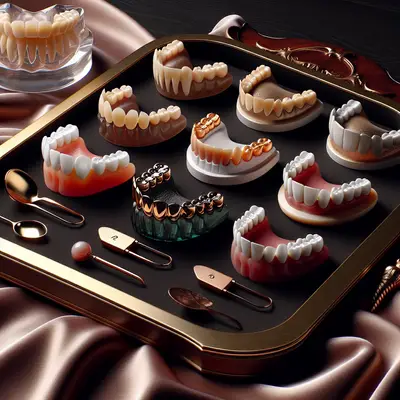
Full dentures may replace an entire arch (upper, lower, or both), while partial dentures are designed to integrate seamlessly with your remaining natural teeth. Implant-retained or implant-supported dentures are securely anchored to titanium fixtures placed in the jawbone, increasing stability and bite efficiency. Within each category, you’ll find variations in acrylic bases, high-impact resins, flexible polymers, and precision-milled frameworks that influence comfort, durability, and aesthetics.
The key insight: choosing a denture type is not just about “what you need” clinically, but about the day-to-day experience you expect—how you wish to eat, speak, smile, and move through the world.
Full, Partial, and Implant-Supported: The Core Categories
Conventional full dentures rest on the gums and are usually crafted after any necessary extractions and healing. They are often the most accessible option and can be beautifully customized in tooth shape, shade, and gum contouring to flatter your facial features. However, their stability can vary, particularly on the lower arch, where bone resorption and tongue movement present added challenges.
Partial dentures bridge the gap when some natural teeth remain. They typically rely on clasps, precision attachments, or hidden supports that engage existing teeth. A well-designed partial can preserve your remaining teeth by distributing biting forces more evenly, while carefully chosen tooth and gum shades help the prosthesis “disappear” in everyday conversation.
Implant-supported dentures elevate the experience even further. Secured to dental implants, they offer enhanced stability, reduced movement, and a more confident bite. Many patients find they can enjoy a broader range of foods and speak more naturally. The trade-off is a higher initial investment and a more involved treatment timeline, but for discerning wearers, the daily comfort and assurance often justify the commitment.
Materials That Shape Your Experience
The material composition of your dentures is as important as the denture type itself. Acrylic resin remains a mainstay for denture bases due to its versatility and ability to mimic gum tissue. High-impact acrylics offer improved resistance to fractures, making them particularly appealing for those who travel frequently or prefer fewer repairs over time.
For partial dentures, metal frameworks—often cobalt-chromium alloys—offer thin, strong structures that hug the contours of your mouth with minimal bulk. This can enhance comfort, speech clarity, and overall discretion. Flexible partials, made from nylon-like materials, offer a softer, more adaptable feel with minimal visible metal, though they may be more challenging to adjust precisely.
Tooth materials also matter: acrylic teeth can be gentle on opposing teeth and easy to adjust, while high-quality composite or layered acrylic options can deliver more lifelike translucency and wear resistance. In premium settings, every detail—from the surface texture to the subtle variation in color within a single tooth—can be custom tailored to harmonize with your complexion, lip shape, and age.
Five Exclusive Insights for the Discerning Denture Wearer
Beyond the obvious questions of comfort and cost, there are less-discussed, refined considerations that can dramatically influence your satisfaction with a particular denture type.
1. Micro-Expression Design: How Denture Type Influences Your Resting Look
Your dentures do more than fill space; they sculpt your lips, cheeks, and even your resting expression. Implant-supported and well-designed full dentures can be crafted to provide subtle support to the lips and mid-face, softening lines and restoring a more youthful, but still natural, profile.
A carefully calibrated vertical dimension (the distance between upper and lower jaws when teeth are in contact) ensures you do not appear “collapsed” or over-filled. Sophisticated practitioners will mock up different tooth lengths and orientations for you to “try on” different expressions—confident, soft, dynamic—before finalizing the design, and certain denture types (particularly implant-supported and precision partials) allow this artistry to be more predictable and stable over time.
2. The “Quiet Bite”: Sound and Speech as Selection Criteria
Different denture types interact with your voice in distinct ways. Full dentures that cover the palate can subtly change the resonance of your speech, particularly for those who are sensitive to tonal nuances. Implant-supported or palateless overdentures, often used on the upper arch when implants are present, can restore a more natural oral cavity shape, improving articulation and vocal clarity.
If you speak frequently in professional or social settings—presentations, performances, or hosting—you may wish to prioritize options that minimize palatal coverage. This often means exploring implant-assisted solutions or precision partial dentures that preserve as much of your natural palate as possible.
3. Gourmet Considerations: Pairing Denture Type with Your Culinary Lifestyle
Food enjoyment is a decisive factor when selecting a denture type, especially for those who appreciate fine dining. Traditional full lower dentures can be more prone to movement during vigorous chewing, which may encourage more cautious food choices. Implant-retained overdentures and fixed hybrid prostheses, by contrast, allow a more confident bite on a wider variety of textures, from crusty bread to crisp vegetables.
Partial dentures supported by strong natural teeth can also offer a pleasing balance between stability and ease of cleaning. When discussing options, be candid with your clinician about the style of eating you prefer—slow and delicate, or bold and adventurous—so your denture type and attachment system can be tailored to match that lifestyle.
4. Travel, Lifestyle, and Maintenance Strategy
Your schedule and habits should elegantly inform your denture choice. Frequent travelers or individuals with demanding schedules may appreciate durable, high-impact acrylic full dentures or robust metal-framed partials that require fewer emergency adjustments. Those who prioritize a “set it and forget it” approach may gravitate toward implant-supported dentures, which, once stabilized and maintained, often feel more integrated and less prone to daily movement.
However, implant-supported options require a commitment to meticulous oral hygiene and regular professional maintenance. If your lifestyle is highly structured and you already value disciplined routines, this pairing can feel natural. If you prefer something more flexible, a premium removable design that is easy to clean outside the mouth might better align with your day-to-day reality.
5. Long-Range Aesthetics: Planning for Bone and Soft Tissue Changes
Bone resorption—the gradual shrinking of jawbone after tooth loss—affects how dentures fit over time. Traditional full dentures may require relines or remakes as the underlying bone and gum tissue change shape. Implant-supported dentures help stabilize the bite and can slow bone loss in the areas where implants are placed, contributing to a more consistent facial appearance over the years.
For partial denture wearers, preserving remaining natural teeth and supporting bone is an elevated priority: strategic restorative work (such as crowns on key abutment teeth) can extend the longevity and elegance of a precision partial. When you choose a denture type, consider not only how it serves you this year, but how gracefully it will adapt to you a decade from now.
Matching Denture Types to Personal Priorities
Once you understand the distinctions among denture types, the conversation becomes one of priorities. If aesthetic discretion and facial support are paramount, you might explore implant-supported full dentures or meticulously crafted partials with customized tooth and gum characterization. If practicality, simplicity, and more streamlined maintenance reign, a premium traditional full or partial denture may be the most refined solution.
Discuss with your clinician:
- How you want your smile to look in both photos and candid conversation
- Your sensitivity to even slight changes in speech or voice quality
- The textures and types of foods that define your lifestyle
- Your appetite for surgical procedures and longer treatment timelines
- How much ongoing professional maintenance and home care you are willing to incorporate
The most satisfying outcome typically emerges when the denture type, material, and attachment strategy are harmonized with your personal rhythms, not forced to fit them.
Conclusion
Selecting a denture type is not a mere clinical decision; it is an intimate style choice that influences how you eat, speak, smile, and move through every setting—private or public. By looking beyond the basics and considering refined elements like micro-expression design, speech resonance, culinary preferences, lifestyle demands, and long-range aesthetics, you transform dentures from a compromise into a carefully curated element of your personal presentation.
With a thoughtful partnership between you and your dental team, the denture type you choose can deliver not only reliable function, but a quiet, enduring sense of poise every time you step into the world.
Sources
- Mayo Clinic – Dentures: Options, Procedure & Care - Overview of denture types, what to expect, and general care guidance
- Cleveland Clinic – Dentures: Types, Costs, Alternatives & Care - Detailed discussion of full, partial, and implant-supported dentures and lifestyle considerations
- American College of Prosthodontists – Dentures (Complete & Partial) - Professional perspective on indications, benefits, and maintenance of different denture types
- National Institute of Dental and Craniofacial Research (NIDCR) – Tooth Replacement - Evidence-based information on tooth replacement options, including dentures and implants
- Harvard Health Publishing – Dental Implants and Dentures - Comparative look at implants and dentures, including function, bone preservation, and long-term considerations
Key Takeaway
The most important thing to remember from this article is that this information can change how you think about Denture Types.