Your choice of dentures is no longer a purely clinical decision—it is a lifestyle statement. Materials, design, and technology have evolved to the point where dentures can be tailored not only to your bite, but to your aesthetic, your schedule, and your expectations for comfort and discretion. Understanding the nuances between denture types allows you to curate a solution that feels as considered as any other element of your daily life.
Understanding the Modern Denture Landscape
Today’s denture options extend well beyond the traditional “full plate.” Modern prosthetics sit on a spectrum that includes complete dentures, partial dentures, implant‑retained dentures, and ultra-lightweight flexible designs. Each option balances key factors differently: stability, aesthetics, maintenance requirements, and invasiveness of treatment.
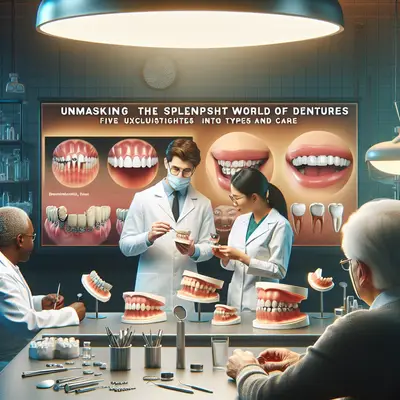
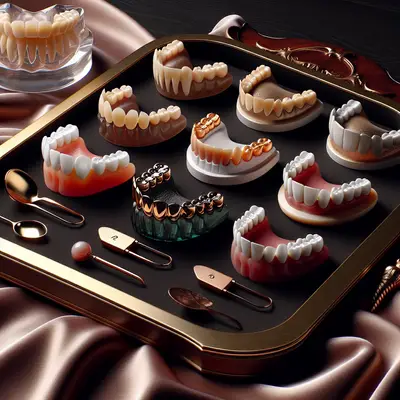
Complete dentures are designed for those who have lost all teeth in an arch. Partial dentures integrate with remaining natural teeth to close gaps discreetly. Implant-based dentures anchor to titanium posts for enhanced stability, while flexible partials prioritize comfort and a nearly invisible transition between gum, prosthetic, and natural tooth. The most refined choice for you emerges not from a generic category, but from a careful alignment of your oral anatomy, health status, and preferred lifestyle.
Complete vs. Partial Dentures: Function Framed by Intention
Complete dentures are often chosen when restorative options for remaining teeth are no longer practical. A well-crafted full denture does more than restore chewing—it re-establishes facial support, subtly redefining lip contours, jawline, and profile. A carefully designed occlusion (how the teeth come together) can also influence posture and the way your facial muscles at rest appear in photographs and daily interaction.
Partial dentures, in contrast, are a more minimalist intervention. They preserve what nature has given you, filling in only what is missing. High-end partials are sculpted to harmonize with existing teeth: shade, translucency, and micro-texture are all matched to avoid the “patched” look that older partials often had. Clasps and connectors can be designed to be nearly invisible when you smile, allowing your natural teeth to remain the visual focus.
Implant-Supported Dentures: Stability with a Discreet Confidence
Implant-supported dentures appeal to those who value security and subtlety in equal measure. Instead of relying solely on suction or clasps, these dentures attach to implants placed in the jawbone. The result is a prosthesis that feels more fixed, resists slipping during speech or dining, and can be crafted with a slimmer, more elegant profile because it does not need as much bulk for retention.
For many, the true luxury of implant-retained dentures is psychological: a quiet confidence in social and professional environments. You can laugh freely, order a wider range of foods, and engage in long conversations without the background concern of movement or noise from your prosthesis. While the initial investment—both financial and surgical—is higher, the daily sense of normalcy it restores is often described as transformative.
Flexible and Lightweight Designs: Comfort as a Daily Luxury
Flexible partial dentures, often made from thermoplastic materials, are designed for those who prioritize comfort and aesthetic discretion. Rather than rigid metal frameworks, they use translucent, gum-colored bases that blend with your tissues and soften the visual impact of clasps. For many wearers, the material’s natural “give” makes it more forgiving during insertion, removal, and chewing.
Lightweight acrylics and advanced resins also contribute to a more refined wearing experience. Reduced bulk can minimize gag reflex, improve speech clarity, and decrease the sense of “fullness” in the mouth. These subtle enhancements may seem minor on paper, but when you speak all day, dine in company, and travel frequently, comfort becomes a critical marker of quality.
Five Exclusive Insights for the Discerning Denture Wearer
1. Micro-Aesthetics Matter More Than You Think
High-end dentures are not just about white, straight teeth. Skilled prosthodontists design micro-aesthetic details—slight asymmetry, varied tooth shapes, and nuanced translucency—to avoid the “too perfect” uniformity that can look artificial. A subtle rotation of one incisor or a gentle variation in gum contour can make your smile appear authentically yours rather than generically “denture-like.”
These details also interact with light. Modern materials can be layered to mimic the way natural enamel refracts and reflects light differently at the edge versus near the gumline. This is why premium dentures often look more “alive” than older, flat acrylic teeth.
2. Your Facial Structure Should Dictate Tooth and Gum Design
A sophisticated denture is designed in dialogue with your entire face, not just your mouth. The angle of your jaw, the fullness of your lips, and even your eye line can guide decisions about tooth length, width, and alignment. The right vertical dimension (the space between your upper and lower jaws when your teeth are together) can soften deep facial lines, improve lip support, and even influence how you sound when you speak.
This is where trial dentures and wax try-ins are invaluable. They allow you and your clinician to evaluate how the proposed design behaves in motion—smiling, speaking, and resting—before the final version is fabricated.
3. Bite Engineering Influences More Than Chewing
The way your upper and lower teeth meet—your occlusion—affects jaw comfort, muscle tension, and even the way you naturally hold your head and neck. A carefully engineered bite can reduce localized pressure points on the gums, minimize sore spots, and decrease the risk of friction ulcers.
Moreover, balanced occlusion helps distribute chewing forces evenly, which is particularly important for implant-supported dentures and for those with thinner jawbone. A refined bite design is not something you see in the mirror, but you feel it in the absence of fatigue, clicking, or subtle discomfort after long days of wear.
4. Material Choice Can Shape Long-Term Oral Health
Each denture type and material interacts differently with your oral tissues and microbiome. Acrylic, resin, and flexible polymers vary in how they absorb or resist staining, plaque accumulation, and fungal overgrowth. For example, certain surfaces may be more prone to harboring Candida, contributing to denture stomatitis if not meticulously cleaned.
Choosing a material is not only about immediate comfort; it is about maintaining a stable, healthy oral environment. For those with a history of gum irritation, allergies, or recurrent infections, selecting hypoallergenic materials and designs that are easier to keep pristine can quietly safeguard long-term comfort and health.
5. Thoughtful Adjustments Are Part of a Truly Premium Experience
A truly refined denture experience does not end on the day of delivery. The most comfortable prostheses are often the result of a series of precise, incremental adjustments over the first weeks and months. Your tissues change slightly as they adapt; your chewing patterns evolve; even the way you articulate sounds can shift.
Establishing a schedule of follow-up visits—rather than waiting until discomfort emerges—allows your clinician to refine pressure points, re-contour borders, and polish surfaces before minor issues become distractions. Think of it as the oral equivalent of tailoring a bespoke garment after the first few wears: subtle refinements that elevate the entire experience.
Matching Denture Types to Your Lifestyle
Selecting among these options is not about choosing the “best” denture in an abstract sense, but about aligning with your priorities. If you travel often and need minimal maintenance, a well-crafted complete or partial denture with easy home-care protocols may suit you. If you value maximal stability for high-impact social and culinary experiences, implant-supported dentures may feel more in tune with your lifestyle.
Consider also your tolerance for treatment time, surgical procedures, and follow-up care. A thoughtful conversation with a prosthodontist—supported by digital scans, photographs, and mock-ups—can help you visualize not just how you will look, but how you will live with each option.
Conclusion
Modern denture types offer far more than a functional replacement for missing teeth—they provide an opportunity to curate a smile that aligns with your standards for aesthetics, comfort, and effortless daily living. By understanding the distinctions between complete, partial, implant-supported, and flexible options—and by appreciating the finer points of design, materials, and bite engineering—you can select a solution that feels both technically sophisticated and personally authentic.
A refined denture is not simply worn; it is experienced. The most rewarding outcome is a prosthesis that quietly integrates into your life, enabling you to speak, dine, and smile with a confidence that feels entirely your own.
Sources
- American College of Prosthodontists – Dentures Overview - Clinical overview of complete and partial dentures, indications, and considerations
- Mayo Clinic – Dental Implants - Explains implant surgery, benefits, and suitability for implant-supported dentures
- Cleveland Clinic – Dentures: Types, Care & Maintenance - Detailed explanation of denture types and what patients can expect
- National Institute of Dental and Craniofacial Research (NIDCR) - Background on tooth loss, its impact, and restorative options including dentures
- Harvard School of Dental Medicine – Prosthodontics (Educational Overview) - Describes the specialty that focuses on the design and fabrication of dentures and other oral prostheses
Key Takeaway
The most important thing to remember from this article is that this information can change how you think about Denture Types.