For the discerning denture wearer, “good enough” is never the goal. Your dentures are not merely a functional device; they are an integral part of your presence, your expression, and how you move through the world. Understanding denture types through the lens of materials, design, and craftsmanship allows you to collaborate more intelligently with your clinician—and to insist on a result that feels bespoke rather than generic.
This guide reframes denture types not as a confusing menu of options, but as a curated selection of material “families,” each with a distinct aesthetic, tactile, and functional character. Along the way, you’ll find five exclusive, experience-driven insights that seasoned denture wearers quietly rely on but are rarely discussed in standard dental brochures.
Rethinking “Denture Types”: A Materials-First Perspective
Conventional classifications—full vs. partial, fixed vs. removable—are helpful, but they miss what truly matters for a refined result: what your dentures are made of, how they’re crafted, and how they interface with your mouth over years, not months.
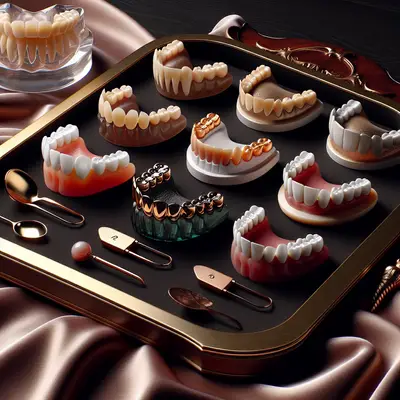
Modern dentures generally fall into a few core material categories:
- Traditional acrylic dentures with metal or acrylic bases
- Flexible nylon-based partials designed for comfort and subtle clasps
- Metal framework partial dentures (often cobalt-chromium) for durability and precision
- Implant-supported dentures (fixed or removable) that anchor to titanium implants
- High-impact and high-characterization premium resins that mimic natural teeth and gingiva with greater sophistication
While a clinical classification might begin with whether you’re replacing some or all teeth, a premium approach begins with: How do you want your dentures to look, feel, and age? Aesthetics, weight, speech, long-term stability, and how the material reacts to temperature and staining all differ among these options.
Exclusive Insight #1: Treat your denture consultation like a design brief. Bring photographs from earlier in life, note the subtleties you value (translucent edges, tooth length, gentle asymmetry), and ask explicitly how each material can or cannot honor those preferences. The best outcomes come from this level of collaboration, not from a “standard” mold.
Acrylic Dentures Refined: Beyond the Basic Pink Plate
Acrylic has long been the workhorse of denture fabrication, but to view it as “basic” is to underestimate its range. Today’s high-quality acrylics are lighter, stronger, and more aesthetically nuanced than their predecessors, allowing for:
- Subtle gradations of color in the artificial gum tissue
- Incorporation of tiny capillary-like fibers for a natural gingival appearance
- Thinner, more refined palates that reduce bulk and improve speech
- High-impact variants that better resist fractures from accidental drops
Full acrylic dentures are often the go-to solution when all teeth in an arch are missing. They rest on the gums and underlying bone, relying on meticulous fit and, in the upper arch, suction. For many, this remains the most accessible option, but its performance can be elevated dramatically by precision techniques such as digital impressions, CAD/CAM milling, and customized tooth positioning.
Exclusive Insight #2: Ask about “characterization” of the gums and teeth. A premium acrylic denture can include slight shade variations, tiny irregularities, and individualized tooth shapes that echo your original smile. These subtleties are what separate a “denture look” from an effortlessly believable result.
Flexible Partials: Discreet Comfort with Trade-Offs
Flexible partial dentures, often made from nylon-based materials, are designed to hug the gums and remaining teeth with soft, translucent clasps that blend with your natural tissues. They can feel remarkably comfortable, especially for those sensitive to rigid metal frameworks or bulky acrylic flanges.
Their advantages include:
- Gentle, adaptable fit with fewer pressure points
- Clasps that avoid the metallic glint some find undesirable
- A lighter, often more forgiving feel during daily wear
However, flexibility comes with limitations:
- Adjustments and relines can be more challenging than with metal or acrylic
- Long-term fit may be less stable as the material flexes over time
- Polish and stain resistance can be inferior if not meticulously maintained
Exclusive Insight #3: Consider flexible partials as a “comfort-forward” choice, not necessarily a long-term final solution. Many sophisticated wearers use them as an interim or secondary denture—ideal for social events or travel—while relying on a more rigid, precisely fitted option for everyday chewing and long-term stability.
Metal Framework Partials: Architectural Precision for the Discerning
Metal framework partial dentures, typically fabricated from cobalt-chromium alloys, remain the gold standard for many partial denture wearers who prioritize structural integrity and a consistently secure fit.
Their key virtues include:
- Exceptional strength with minimal bulk, allowing for a thinner palate or lingual bar
- Highly accurate fit when crafted by a skilled laboratory, distributing forces evenly
- Stability over time, with less flexing compared to all-acrylic or flexible designs
Modern metal frameworks can be artfully designed so visible clasps are minimized or strategically placed to be discreet. When paired with high-quality acrylic teeth and gingival materials, they provide a refined blend of comfort, function, and longevity.
Exclusive Insight #4: Negotiate the “visibility zone” with your dentist and technician. Ask them to plan clasp placement with your smile line and typical speaking posture in mind. A small tweak in where a clasp emerges can drastically change how “invisible” your partial appears in real-life interaction—more so than changing the entire denture type.
Implant-Supported Dentures: A Stable Foundation for Everyday Ease
Implant-supported dentures transform the experience of wearing dentures from something that must be carefully managed to something that feels integrated, predictable, and almost forgettable.
There are two primary configurations:
- Removable implant-retained overdentures (snap-on), which attach to implants via locator attachments or bars, then detach for cleaning
- Fixed implant prostheses (often called “all-on-4” or similar concepts), which are screwed into implants and removed only by the dentist
Their advantages can be profound:
- Significantly improved chewing efficiency
- Less movement, slippage, and sore spots
- Greater freedom in palate design (often reduced bulk or open palate)
- Improved preservation of jawbone where implants are placed
Materials range from acrylic teeth on titanium bars to hybrid designs using zirconia or high-strength resins, each with different acoustic, weight, and aesthetic characteristics.
Exclusive Insight #5: For implant-supported options, ask to “test drive” tooth shape and arrangement before finalizing the premium material. Many clinics can provide a provisional (temporary) prosthesis; use this phase to refine tooth length, speech sounds, and bite before investing in a final zirconia or high-end hybrid prosthesis. The most satisfied wearers are those who treat the provisional stage as a design laboratory, not a mere waiting period.
Choosing Among Types: Matching Denture Style to Lifestyle
Selecting the right denture type is ultimately about alignment: aligning materials and design with your lifestyle, your personal aesthetic, and your tolerance for maintenance routines.
Consider these dimensions as you discuss options:
- Aesthetic expectations
Do you prioritize an ultra-natural look with nuanced color transitions? Ask specifically about high-characterization acrylic, layered composite teeth, or ceramic/zirconia options.
- Diet and social habits
If you enjoy a varied, texture-rich diet or dine out frequently, implant-supported or well-crafted metal framework solutions typically provide the most confidence.
- Sensitivity and comfort
If you find rigid appliances difficult to tolerate, discuss flexible partials, ultra-thin metal frameworks, and careful reduction of palatal coverage where functionally possible.
- Maintenance philosophy
Fixed implant prostheses simplify daily routines but require professional maintenance at set intervals. Removable options demand diligent home care but may be easier to deep-clean personally.
When these dimensions are discussed openly, “denture type” becomes a curated choice rather than a default selection.
Conclusion
A truly refined denture is not defined solely by its category—full, partial, or implant-supported—but by the harmony between materials, craftsmanship, and your personal expectations. By approaching your denture choice as a thoughtful design decision, by understanding the subtleties among acrylic, flexible, metal, and implant-anchored options, and by leveraging the exclusive insights above, you move beyond generic solutions into a more tailored, enduringly satisfying experience.
In the end, your dentures should feel less like a medical device and more like a quiet extension of your identity—an understated luxury you rely on every day without a second thought.
Sources
- American College of Prosthodontists – Dentures Overview – Clinical overview of complete and partial dentures, indications, and care considerations
- Mayo Clinic – Dentures: What to Expect – General explanation of denture types, fit, and adjustment period
- Cleveland Clinic – Dentures – Detailed information on materials, benefits, and potential drawbacks of various denture options
- National Institutes of Health (NIH) – Flexible vs. Conventional Dentures (PMC) – Research-based discussion of flexible denture materials and their clinical performance
- Harvard School of Dental Medicine – Implant Dentistry Overview – Background on dental implants and their role in supporting prosthetic solutions such as dentures
Key Takeaway
The most important thing to remember from this article is that this information can change how you think about Denture Types.