Choosing dentures is no longer a binary decision between “plastic teeth” and a metal plate. Today’s prosthetics are crafted from sophisticated materials, each with its own character, level of refinement, and long‑term performance. Understanding these subtleties allows you to curate a solution that feels as considered as any other aspect of your personal style.
This guide focuses not on generic “types of dentures,” but on what truly defines them: the materials, design nuances, and fine details that separate an acceptable prosthesis from an exceptional one. Along the way, you’ll find five exclusive insights many denture wearers wish they had known sooner.
The Foundation of a Refined Prosthesis: Base Materials
At the heart of any denture is the base—the platform that rests on your gums and supports your new smile. While all may look similar at first glance, the material beneath the surface dramatically influences comfort, durability, and aesthetics.
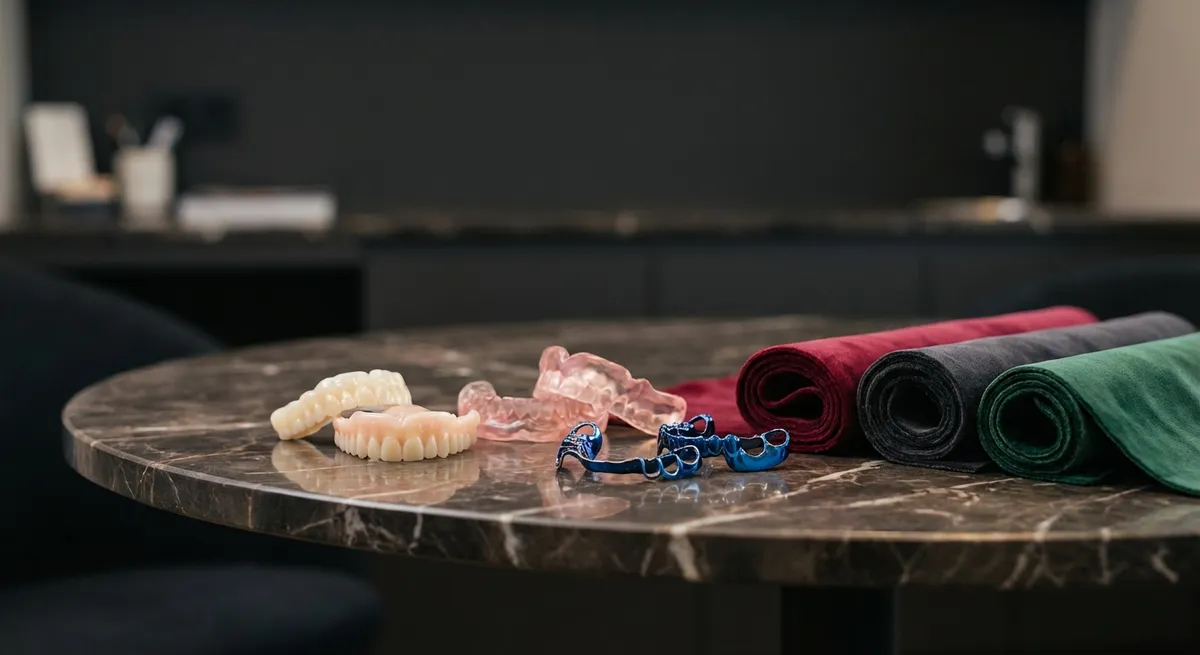
Traditional acrylic resin remains the most widely used base material. It is relatively lightweight, can be tinted to match natural gum tones, and allows your clinician to make adjustments over time. For many, a well‑crafted acrylic base offers an excellent balance of performance and value.
High‑impact acrylics elevate this further, adding improved fracture resistance. They’re particularly attractive if you lead an active lifestyle, have a history of dropping or breaking appliances, or simply want the reassurance of enhanced durability without the bulk of metal frameworks.
Flexible nylon‑based resins, often used in partial dentures, offer a different kind of elegance. Their slight flexibility can provide a more forgiving fit on delicate or uneven ridges and can eliminate the need for some visible metal clasps. However, they are typically more challenging to adjust or reline and may not suit every bite or bone structure.
The most refined outcomes come not from a single “best” material, but from a thoughtful pairing of your anatomy, bite, and aesthetic preferences with the specific properties of each base material. This is where detailed discussion with your prosthodontist becomes invaluable.
Tooth Materials: Where Aesthetics and Longevity Meet
Denture teeth are no longer merely blocks of acrylic lined in a row. Modern options vary in translucency, hardness, and resistance to wear—factors that influence both how natural they look and how well they age.
Conventional acrylic teeth are standard in many full and partial dentures. They bond well to the acrylic base, are relatively gentle on opposing natural teeth or implants, and can be easily adjusted for fine‑tuning your bite. Their drawback is that they may wear down more quickly over several years, subtly altering your chewing efficiency and facial support.
Premium layered acrylic teeth introduce refined artistry. Multi‑layered construction mimics the natural gradation from enamel to dentin, capturing lifelike translucency at the incisal edges and subtle color depth. For discerning wearers, this layered design can transform a denture from “obvious” to quietly convincing.
Porcelain teeth, once considered the gold standard for aesthetics, still have a loyal following. Their advantages include exceptional stain resistance and a glass‑like translucency that can be breathtaking when crafted well. However, they are harder and can cause more wear to opposing natural teeth, and they may transmit more impact to the underlying gums and bone.
Ultimately, your choice of tooth material should balance beauty, function, and the condition of your remaining teeth or implants. A premium approach prioritizes a customized shade, shape, and arrangement that feel authentically “you,” rather than a generic, overly uniform smile.
Digital vs. Traditional Fabrication: A New Standard of Precision
The arrival of digital dentures marks a quiet revolution in how prosthetics are designed and manufactured. Instead of relying solely on manual wax setups and hand‑packed acrylic, many clinicians now integrate digital scans, virtual design, and computer‑milled bases and teeth.
Digitally fabricated dentures can offer exquisite repeatability. Your smile design, bite relationship, and contours are stored as a digital file, making it far easier to recreate or refine your prosthesis if it’s ever lost, damaged, or if your oral anatomy changes. This continuity is particularly reassuring for those who value consistency in their appearance.
The milling process often uses high‑density, pre‑polymerized acrylic discs, which can be more homogeneous and less porous than conventionally processed material. This can translate into improved strength and reduced plaque accumulation when combined with diligent home care.
Hand‑crafted dentures, however, still have their own allure. An experienced technician’s artistry in shaping the gums, subtly rotating or staggering teeth, and creating individualized contours can yield an exceptionally natural and expressive result. For some wearers, the ideal solution is a hybrid: digital precision for the foundation, with hand‑finished aesthetics for the smile line and gingival sculpting.
During your consultation, asking how your dentures will be made—and why—can reveal a great deal about a practice’s philosophy and the level of refinement you can expect.
Five Exclusive Insights Savvy Denture Wearers Quietly Rely On
Beyond material names and fabrication methods, there are finer considerations that often separate a merely acceptable experience from an elevated one. These five insights are the kind that seasoned denture wearers often share only after years of trial and adjustment.
1. Micro‑Polish Matters More Than You Think
The degree of polish on both the teeth and the base is not just a cosmetic flourish. A superior micro‑polish can significantly reduce plaque retention, staining, and irritation along the borders. When discussing your dentures, ask specifically about finishing protocols and whether a high‑lustre polish is part of the standard process. Over time, this small detail can translate into fresher breath, fewer sore spots, and a more radiant appearance with minimal effort.
2. Subtle Tooth Positioning Changes How Your Face Is Framed
Two dentures with identical teeth and materials can look very different on the same person simply because of tooth positioning. Tiny adjustments in the tilt, overlap, and vertical length of the front teeth can influence lip support, the fullness of your mid‑face, and even how your speech sounds.
A premium fitting includes a careful “try‑in” stage where you assess not just whether the teeth meet, but how your face looks from multiple angles, in both relaxed and smiling expressions. Recording a short video of yourself speaking or laughing during the try‑in can reveal nuances you might miss in a static mirror.
3. The Palate Design Influences Taste and Speech
For upper dentures, the design of the palate—its thickness, contour, and how far back it extends—can subtly affect your enjoyment of food and the clarity of certain sounds. A thinner, thoughtfully contoured palate often feels more natural, allowing heat and texture from foods to be perceived more fully.
Discuss with your clinician whether your anatomy allows for a refined, thinned‑out palate or a horseshoe‑shaped design (common with implant support). A well‑executed palate can make your denture feel less like a “plate” and more like an integrated part of your mouth.
4. Strategic Reinforcement Extends Lifespan Without Sacrificing Elegance
Delicate‑looking dentures do not have to be fragile. In some cases, subtle reinforcement—such as a fine metal mesh or a high‑impact acrylic in stress‑bearing areas—can dramatically improve longevity. This is particularly relevant for patients with strong bite forces, parafunctional habits (like grinding), or a history of midline fractures.
Rather than defaulting to a bulky, heavy design, ask whether discreet reinforcement can be incorporated in specific vulnerable areas. The goal is a prosthesis that feels graceful in the mouth, yet quietly robust where it counts.
5. Material Choice Influences Future Adjustability
One often overlooked consideration is how easily your denture can evolve with you. Conventional acrylic bases are generally more accommodating for relines, additions (such as new teeth if more are lost), and bite adjustments. Some flexible materials are more limited in this respect, which can make future modifications more complex or costly.
If you anticipate ongoing changes—whether due to bone remodeling, planned extractions, or evolving implant treatment—prioritizing a material that allows precise, predictable adjustments can be a strategic investment in both comfort and aesthetics over the long term.
Tailoring Materials to Your Lifestyle and Aesthetic Priorities
The most successful denture is not simply the most advanced or the most expensive; it is the one that harmonizes with your daily life, your health, and your sense of self.
If you value effortless elegance, you might prioritize materials with superior stain resistance and polish, combined with a shade and tooth shape that complement your skin tone and facial structure. If you travel frequently, digital design files and fracture‑resistant materials can serve as a form of “insurance” for your smile. If you are focused on wellness and oral health, materials that permit fine adjustments, relines, and meticulous cleaning may be most important.
An elevated denture consultation should feel less like a sales conversation and more like a fitting for a bespoke garment: an exploration of fit, form, function, and how you wish to present yourself to the world. The materials and design choices are the tailoring details that make the final result unmistakably yours.
Conclusion
Modern dentures are no longer a one‑size‑fits‑all solution. They are carefully engineered prosthetics whose materials, design, and finishing can be dialed in to reflect your standards, your lifestyle, and your aesthetic preferences. By understanding the nuances of base and tooth materials, the advantages of digital fabrication, and the subtle refinements outlined in the five exclusive insights above, you can advocate confidently for a prosthesis that does more than restore your bite—it restores your sense of ease and quiet confidence.
An investment in the right denture materials is ultimately an investment in how naturally and comfortably you move through the world, speak, dine, and smile. With informed choices and a skilled clinical team, your dentures can become an understated complement to a life lived with poise and assurance.
Sources
- American College of Prosthodontists – Dentures Overview – Clinical overview of denture types, materials, and what to expect from treatment
- Mayo Clinic – Dentures: What to Expect and How to Care for Them – General guidance on denture function, care, and adaptation
- Cleveland Clinic – Dentures: Types, Procedure & Care – Detailed patient‑focused discussion of materials, indications, and maintenance
- National Institutes of Health (NIH) – Acrylic Resin Denture Base Materials – Research‑based review of acrylic denture base properties and recent material advancements
- Harvard School of Dental Medicine – Digital Dentistry and Prosthodontics – Insight into how digital technologies are transforming prosthetic design and fabrication
Key Takeaway
The most important thing to remember from this article is that this information can change how you think about Denture Types.