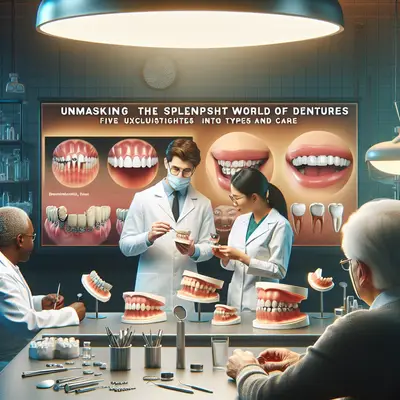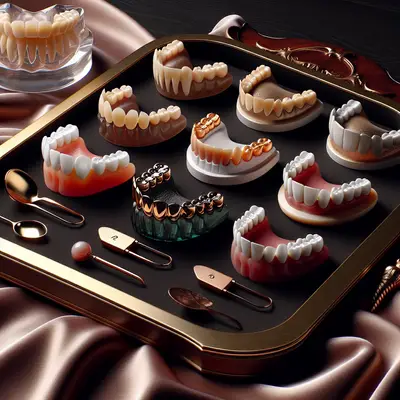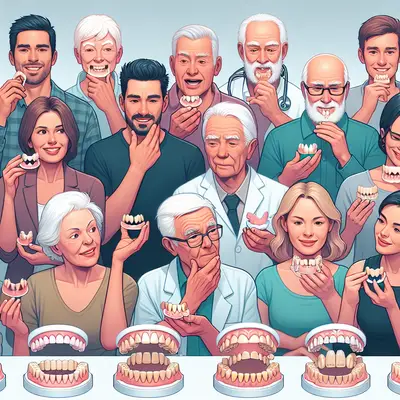
The right dentures do more than replace missing teeth—they frame your face, shape your speech, influence what you can comfortably eat, and quietly affect how you move through every social moment. Yet for many people, “dentures” still sound like a single, generic solution, rather than a spectrum of refined options with very different advantages.
Understanding denture types with a more discerning eye allows you to align your choice with your lifestyle, aesthetic standards, and long-term oral health. Below, we explore key denture categories and weave in five elevated, often-overlooked insights that sophisticated denture wearers—and those aspiring to be—truly appreciate.
Full Conventional Dentures: The Classic, Reimagined
Full conventional dentures replace an entire arch of missing teeth—upper, lower, or both—after any remaining teeth are removed and the gums have fully healed. Today’s premium full dentures are a world away from the bulky plates of the past. High-end acrylics, layered composite teeth, and meticulous customization allow for natural translucency at the tooth edges, subtle color variation, and gum tones that complement your complexion rather than look flat and artificial.
Your dentist can subtly refine tooth shape and spacing to match your facial proportions and personality, whether you prefer a softly rounded, youthful look or a more angular, assertive line. For many people, the upper full denture can achieve excellent retention through suction alone, while lower dentures may require a more nuanced fit and sometimes adjunctive support.
Exclusive Insight #1: “Neutral” isn’t neutral for everyone.
A sophisticated full denture starts with face-driven design, not a standard shade chart. Truly elevated prosthetics consider lip support, smile line, midline position, and even how your teeth appear in casual conversation versus posed photos. Discuss where you want your teeth to “sit” aesthetically—and bring reference photos of a smile you admire—to move beyond basic replacement into true facial harmony.
Partial Dentures: Precision in the Spaces Between
Partial dentures step in when some natural teeth remain and can be preserved. Rather than sacrificing healthy teeth for a full denture, a removable partial integrates with your existing dentition to fill gaps and stabilize your bite. Traditional metal frameworks (often cobalt-chromium) remain the gold standard for strength and thinness, but refined designs can make the clasps more discreet and better integrated with your natural enamel.
There are also metal-free partials, made with high-performance resins, that offer a more flexible feel and reduced visibility of attachments. These are particularly appealing in the esthetic zone, where visible metal can distract from an otherwise polished smile. However, they may be slightly bulkier or less durable in the long term, so they’re best selected with a clear understanding of your chewing habits and expectations.
Exclusive Insight #2: The “hidden engineering” matters as much as the visible teeth.
With partials, the way your bite forces distribute across the remaining teeth and the denture base profoundly influences long-term comfort and tooth survival. Ask your dentist how the partial will protect your natural teeth, not just fill spaces. A well-designed partial preserves the teeth you have; a poorly balanced one can quietly stress them into future problems.
Implant-Supported Dentures: Stability with a Subtle Luxury
Implant-supported dentures bridge the gap between traditional removable dentures and fixed implant restorations. Small titanium implants are placed in the jawbone, and a specially designed denture snaps or locks into place over them. The result: vastly improved stability, especially in the lower jaw, where conventional dentures can often feel insecure.
This approach can use fewer implants than a fully fixed bridge, which often makes it more accessible while still offering a remarkable upgrade in function and confidence. You can enjoy a firmer bite, easier speech, and the peace of mind that your prosthesis will not move during meals or conversations. At higher tiers, the teeth and gums can be crafted in premium, wear-resistant materials that maintain their luster and shape longer than standard acrylic teeth.
Exclusive Insight #3: The “feel” of your smile changes as much as the look.
Implant-supported dentures don’t just sit in your mouth—they integrate with your bite in a way that can restore a sense of groundedness when chewing. Many people describe it as regaining “trust” in their mouth. When reviewing options, ask to see and feel sample prostheses, and discuss how your bite will be calibrated. Comfort isn’t accidental; it’s engineered.
Flexible and “Transitional” Dentures: Elegant Solutions for In-Between Stages
Flexible dentures, often made from nylon-based materials, are lighter and more pliable than traditional acrylic plates. They can be especially appealing for those with sensitivity at pressure points or for use as transitional dentures while your mouth heals or your treatment plan evolves. Their clasp-like extensions blend more seamlessly with the gums and teeth, creating a softer visual impression.
Transitional dentures, on the other hand, are intentionally temporary. They help you maintain appearance and function while waiting for extractions to heal, implants to integrate, or complex restorations to be completed. Their sophistication lies in strategy rather than permanence: they allow you to test tooth shapes, shades, and bite positions so that your eventual “final” solution can be more precisely dialed-in.
Exclusive Insight #4: Temporary doesn’t have to mean thoughtless.
Transitional and flexible dentures are powerful testing grounds. Use this phase to notice how you prefer tooth length, brightness, and bite height. Keep a short journal of what feels refined versus what feels “off”—where food catches, how your lips rest over the teeth, how you sound when you say “F,” “S,” and “V” words. Sharing these observations turns your final denture into a custom-tailored piece, not just a replacement.
Premium Custom & Hybrid Designs: Where Dentistry Meets Bespoke Craft
For those seeking a truly elevated experience, premium custom and hybrid denture designs offer a blend of advanced materials, digital planning, and artisan-level finishing. Digital scans and 3D planning can map your bone structure, facial proportions, and bite dynamics. From there, your dentist and lab technician collaborate to sculpt teeth and gums that flatter your unique features—even considering how your smile appears under different lighting and camera angles.
Hybrid designs can include fixed implant bridges that look and function like natural teeth, or ultra-precise overdentures that click into place so seamlessly they feel like an extension of your own mouth. Subtleties such as micro-texture on the teeth, carefully varied gum coloration, and tailored incisal translucency (the natural “glassiness” at the tips of teeth) create a result that reads as “beautiful smile” rather than “nice dentures.”
Exclusive Insight #5: The technician behind your smile is as important as the technology.
In high-end dentistry, the laboratory is not merely a supplier; it’s a creative partner. Ask your dentist who will be crafting your prosthesis, whether custom staining and shaping are available, and if you can preview or adjust esthetics at a try-in stage. The most refined dentures are not rushed—they’re iterated, evaluated in your own face, and adjusted until they express you authentically.
Conclusion
Selecting a denture type is not a single yes-or-no decision—it’s a series of nuanced choices about stability, appearance, comfort, and long-term health. Full conventional dentures, partials, implant-supported solutions, flexible designs, and premium hybrids each offer distinct advantages when matched thoughtfully to your needs and expectations.
When you approach dentures as a tailored investment in how you look, speak, and dine—not simply a functional necessity—you open the door to a more confident, composed daily life. Ask deeper questions, look beyond basic labels, and partner with a dental team that treats your prosthesis as a crafted extension of your identity. The right denture type doesn’t just restore your smile; it elevates it.
Key Takeaway
The most important thing to remember from this article is that this information can change how you think about Denture Types.