The modern denture is no longer a one‑size‑fits‑all appliance; it is a carefully calibrated collaboration between biomaterials, precision engineering, and your lifestyle. Choosing among today’s denture types is less about “what will work” and more about “what will feel impeccably tailored.” This guide walks you through contemporary denture options with a focus on nuance—how each choice influences comfort, aesthetics, and daily ease—while highlighting five exclusive insights that discerning wearers rarely hear in a typical clinic consult.
The Quiet Evolution: How Denture Types Have Become More Refined
Contemporary dentures have moved far beyond the thick, monochrome plates many people still imagine. Advances in acrylic resins, ceramics, and digital design now allow for slimmer bases, more lifelike translucency, and improved grip on the gums.
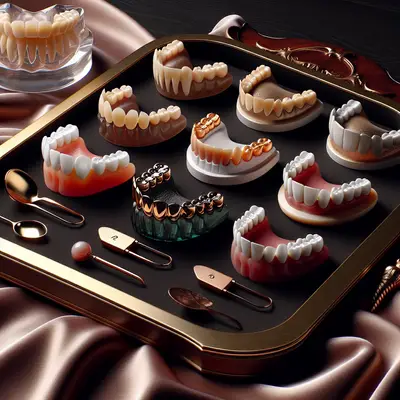
Complete dentures (for those missing all teeth in an arch) can be created with highly customized tooth shapes, subtle shade layering, and even delicate gum characterizations that mimic natural tissue. Partial dentures, used when some natural teeth remain, range from traditional metal‑framework designs to nearly invisible flexible options that hug the contours of the mouth.
Implant‑supported dentures—either removable overdentures or fully fixed prostheses—add another level of sophistication. By anchoring to titanium implants in the jaw, they substantially increase stability, reduce movement during speech and meals, and can help preserve bone structure over time. This spectrum of options transforms denture selection from a compromise into a design decision that can be aligned with your priorities: discretion, minimal maintenance, maximum stability, or a balance of all three.
Complete, Partial, and Implant‑Supported: The Core Categories
At the highest level, denture types fall into three primary categories: complete, partial, and implant‑supported. Each carries its own character and is suited to particular clinical and lifestyle scenarios.
Complete dentures replace all teeth in the upper or lower arch. They rest directly on the gums and underlying bone. Upper dentures often achieve good suction due to the palate, while lower dentures, without that broad surface, can be more prone to movement—something many wearers feel keenly in social settings.
Partial dentures fill in spaces where teeth are missing but other natural teeth remain. Traditional partials use a metal framework with precision‑placed clasps or attachments around existing teeth. Newer designs may incorporate tooth‑colored clasps or flexible materials to reduce visibility. The key advantage: they help maintain tooth alignment and chewing function without extracting healthy teeth.
Implant‑supported dentures bridge the gap between removable dentures and fixed restorations. Overdentures “snap” onto implants yet can be removed for cleaning, while fully fixed options are secured to implants and only removed by the dentist. These options offer superior stability and can dramatically change the way food feels, how you speak, and how confidently you laugh. The trade‑offs involve a higher initial investment and a surgical phase, but for many, the result is a near‑seamless substitute for natural teeth.
Material Matters: Acrylic, Metal, Ceramic, and Flexible Bases
The sophistication of your denture is intimately tied to its materials. Each material type brings distinct advantages—and subtle compromises—that go beyond what most brochures mention.
Acrylic remains the foundation of most denture bases; it’s light, adjustable, and polishable, allowing your dentist to refine the fit and aesthetics over time. The teeth themselves may be acrylic or ceramic (porcelain). Acrylic teeth are gentler on opposing natural teeth and easier to adjust, while ceramics often provide a crisper translucency and stain resistance, though they can be more brittle and may “click” more audibly.
Metal frameworks, commonly cobalt‑chromium alloys, are still the gold standard for many partial dentures when strength and thinness are prioritized. They allow for a more streamlined profile and can distribute chewing forces in a sophisticated, biomechanically efficient way. Flexible partials—often made from nylon‑based materials—offer a softer, gum‑hugging feel and translucent clasps that blend subtly with tissue, though they may be more difficult to adjust and polish, and can sometimes trap plaque if not cleaned with care.
Exclusive Insight #1: The “sound” of your denture is a design choice.
Material selection influences not just appearance and comfort, but acoustics. Ceramic teeth can create a sharper “clink” against utensils or opposing teeth, while acrylic tends to sound softer and more natural. If you are sensitive to subtle sensory details, this is a factor worth discussing explicitly with your clinician.
Aesthetic Nuance: From Tooth Shade to Gum Contouring
Modern denture aesthetics are about nuance, not perfection. The most convincing dentures embrace natural irregularities—delicate gradations of color, very slight variation in tooth length, and gentle translucency at the edges.
A premium denture design can include multi‑layered teeth that mimic enamel and dentin, custom staining to reflect your complexion, and gum shading that avoids the one‑tone “bubblegum pink” look. High‑end laboratories can even mimic tiny capillaries or natural gum textures for an effect that reads as “effortlessly real” rather than “artificially flawless.”
Tooth arrangement is another overlooked luxury detail. Slightly rounded edges, a minimal midline rotation, or a subtle gradation in incisor length can make the difference between a smile that appears stiff and one that reads as authentically yours.
Exclusive Insight #2: Photograph‑guided design elevates realism.
Bringing old photographs of your natural smile—ideally from multiple ages and angles—allows the dental team to recreate not just generic teeth, but your characteristic proportions, tooth display when you smile, and the way your lips move over your teeth. This is one of the simplest ways to transform a standard denture into a deeply personal restoration.
Comfort by Design: Fit, Stability, and Bite Refinement
Comfort is not merely about “not hurting.” It is about how seamlessly your dentures integrate with your speech patterns, chewing style, and facial muscles. This is where precision impressions, bite registration, and carefully staged try‑ins become non‑negotiable.
A well‑designed denture takes into account how your jaws meet (occlusion), how your tongue moves, and the way your facial muscles support the lips and cheeks. Poorly balanced dentures can lead to sore spots, rocking, clicking, and even tension headaches. By contrast, a refined occlusal scheme—a carefully calibrated bite—can distribute chewing forces evenly and help prevent micro‑trauma to the gums and jaw.
For lower dentures in particular, subtle contouring along the tongue side can improve stability by collaborating with the tongue instead of competing against it. Many premium dentures also incorporate pressure‑indicating paste during fittings to eliminate micro‑pressure points before delivery.
Exclusive Insight #3: Plan for a “refinement phase,” not a single appointment.
The most successful dentures are not considered “finished” on delivery day. Expect, and request, a refinement phase: follow‑up visits to adjust the bite, polish edges, and resolve pressure spots as your tissues adapt. Treat this as part of the design process, not a repair step—your comfort will be markedly better over the long term.
Lifestyle‑Driven Choices: Matching Denture Types to How You Live
Choosing among denture types is ultimately a lifestyle decision as much as a clinical one. Someone who travels frequently may prioritize a design that is easy to clean and maintain on the go, while a frequent public speaker might value absolute stability and crisp articulation of consonants.
Implant‑supported dentures are often favored by those who desire maximum confidence in social and professional settings; they are less prone to slipping while speaking or laughing, and they expand food choices significantly. Meanwhile, a meticulously made complete or partial denture, with a well‑balanced bite and quality materials, can provide exceptional function without surgery, especially for those who prefer a more conservative, non‑invasive route.
Your manual dexterity, tolerance for daily rituals, and comfort with removable versus fixed solutions should all inform the decision. For instance, if delicate clasps or smaller components may be difficult to manage, a streamlined design with fewer intricate attachments might be preferable.
Exclusive Insight #4: Your wardrobe and grooming habits offer clinical clues.
Clinicians who pay attention to your jewelry, eyewear, shoes, and grooming can often infer how much you value detail, ease, and subtlety. Sharing how you care for other personal items—watches, glasses, skincare—can guide your dentist toward a denture type and material suite that aligns with your “care personality”: minimalist, meticulous, or somewhere in between.
Beyond Function: Facial Support and Subtle Anti‑Aging Benefits
Well‑designed dentures do more than replace teeth—they can restore facial support that has been quietly lost over the years. Missing teeth and bone resorption can lead to a collapsed bite, thinner lips, deepened facial lines, and an overall “tired” appearance.
By rebuilding proper vertical dimension (the distance between upper and lower jaws) and supporting the lips and cheeks from within, dentures can subtly soften folds around the mouth and reintroduce youthful fullness without injectables. Even a small change in tooth length or angulation can influence how light reflects off the face, adding vitality to your expression.
Implant‑supported dentures offer an additional aesthetic advantage: by stimulating the jawbone where implants are placed, they may help slow the bone loss that otherwise reshapes the lower face over time.
Exclusive Insight #5: A “smile rehearsal” in motion is more revealing than a mirror check.
When evaluating a new denture, static mirrors are not enough. Ask for a short video or use your phone to record yourself speaking, laughing, and reading a paragraph aloud. Watching how your lips, cheeks, and teeth move together is often the moment when subtle disharmonies—or delightful successes—become evident and can be refined.
Conclusion
Today’s denture types offer a spectrum of possibilities that extend well beyond basic tooth replacement. From complete and partial designs to implant‑supported solutions, each option can be tuned for aesthetics, comfort, stability, and lifestyle alignment. Material choice, bite design, and facial support all play quiet but powerful roles in how “natural” your dentures ultimately feel.
When you approach your denture selection as a bespoke design process—sharing old photographs, articulating your sensory preferences, and embracing a refinement phase—you elevate the experience from functional necessity to carefully curated restoration. With thoughtful collaboration between you and your dental team, your prosthesis can become not just a way to chew, but a discreet expression of how you choose to present yourself to the world.
Sources
- American College of Prosthodontists – Dentures Overview – Clinical explanations of complete, partial, and implant‑supported dentures
- Mayo Clinic – Dental Implants – Details on implant procedures that underpin implant‑supported dentures
- Cleveland Clinic – Dentures: Types and Care – Practical overview of denture types, uses, and expectations
- National Institute of Dental and Craniofacial Research (NIDCR) – Evidence‑based information on tooth replacement options, including dentures and implants
- Harvard School of Dental Medicine – Implant Dentistry Overview – Academic perspective on dental implant therapy and its role in prosthetic rehabilitation
Key Takeaway
The most important thing to remember from this article is that this information can change how you think about Denture Types.