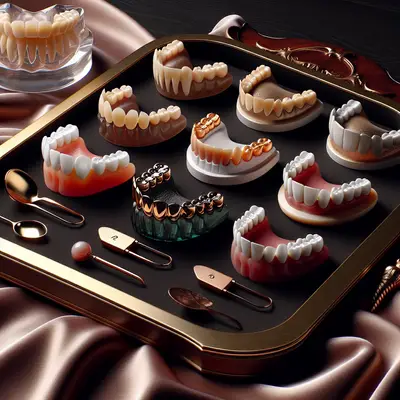
Selecting the right denture is no longer a purely clinical decision; it is a style choice, a comfort choice, and a quality‑of‑life choice. Today’s denture options are nuanced, discreet, and highly customizable—designed not merely to “replace teeth,” but to restore confidence, function, and ease. This guide explores contemporary denture types with a refined lens, then unveils five exclusive insights that discerning denture wearers can use to elevate both fit and experience.
Understanding the Spectrum of Modern Denture Types
Modern denture design sits on a spectrum—from fully removable to fully fixed—each with its own character, maintenance demands, and lifestyle implications.
Traditional complete dentures are the archetype: an acrylic base that rests on the gums and replaces an entire arch of teeth. They remain a reliable solution, particularly when bone loss is advanced or implants are not feasible, but they rely on suction, careful shaping, and sometimes adhesive to stay stable. For many, they are a practical, if not always luxurious, entry point.
Partial dentures bridge the gap when some natural teeth remain. These may employ metal frameworks, resin bases, or flexible polymers to clasp around existing teeth. Their success depends heavily on precision: a well‑crafted partial distributes bite forces gracefully, protecting the teeth that remain.
Implant‑retained and implant‑supported dentures represent a more anchored approach. Here, titanium implants in the jaw connect to the denture through specialized attachments or bars. The result is enhanced stability, improved chewing efficiency, and a more natural feel—often with slimmer, less bulky designs. They typically require a higher initial investment, but can feel markedly more “forgettable” in daily life.
Within each category, choices about materials—acrylic, high‑impact resins, cobalt‑chromium frameworks, flexible nylon‑like polymers, and advanced ceramic or composite teeth—subtly influence aesthetics, durability, and comfort. The art lies in tailoring these variables to your anatomy, habits, and expectations.
Aesthetic Nuance: Beyond “Natural‑Looking” Teeth
The phrase “natural‑looking” barely captures the level of detail possible in contemporary denture aesthetics. For the sophisticated wearer, the question becomes: natural for whom, and in what context?
Tooth shade is the most obvious variable, but the most refined results avoid a monochromatic, ultra‑bright “dental showroom” look. A slightly warm or gently layered shade can echo the translucency and gradation of real enamel. Carefully chosen micro‑imperfections—minimal rotations, subtle texture, or very slight variation in tooth size—can prevent the smile from appearing too uniform or artificial.
The gum, or gingival, portion of the denture deserves equal attention. Premium prosthetics often incorporate multi‑tone pink acrylic to simulate natural gum variations, faint capillary marbling, and delicate contouring around each tooth. This can be particularly important for those with a high lip line, where more of the gum area shows when speaking or smiling.
For wearers who value continuity with their previous appearance, digital smile design and photographic references can guide tooth positioning, length, and character. For those seeking a quiet upgrade, the clinician can soften previous crowding or discoloration while preserving recognizable features, so friends and colleagues perceive the change as “you, at your best,” rather than “you, with dentures.”
Functional Excellence: How Denture Type Shapes Daily Life
The type of denture you select fundamentally shapes how you eat, speak, and move through your day.
Removable complete dentures typically demand a short adaptation period. Initially, larger baseplates can feel intrusive to the tongue and cheeks. Pronouncing certain consonants may require practice, and biting into very hard or sticky foods may need to be moderated. However, with careful adjustment, many wearers achieve comfortable, reliable function.
Partial dentures often deliver a more familiar experience, especially when they are well‑balanced and supported by healthy natural teeth. However, ill‑designed clasps or bulky acrylic bases can cause sore spots or trap food if not meticulously crafted and maintained.
Implant‑retained or implant‑supported dentures typically provide a more confident bite. The denture clicks into place on underlying implants, resisting movement and reducing the need for adhesive. This can expand the range of foods enjoyed—crisp vegetables, firm fruits, and lean meats—while also improving clarity of speech and overall comfort. The trade‑off is a more involved surgical and planning phase, along with ongoing implant maintenance.
Ultimately, no denture type is universally “best.” The optimal solution aligns your anatomical reality (bone volume, gum health, remaining teeth) with your priorities: aesthetic subtlety, comfort, chewing performance, ease of cleaning, and long‑term investment.
Five Exclusive Insights Sophisticated Denture Wearers Should Know
1. Microscopic Fit Matters More Than You Think
Most people focus on how a denture feels on day one, but the true measure of excellence lies at the microscopic interface between denture and tissue. A high‑precision impression technique, often using layered or digital impressions, can capture fine anatomical details that generic methods miss.
Why this matters:
A precisely fitting base creates a more even distribution of pressure, reducing sore spots, improving suction in full dentures, and lowering the risk of friction‑related irritation. Implant‑supported designs benefit as well—micro‑level accuracy in the attachment components can reduce wear, minimize rocking, and extend the life of both the denture and the implants.
A discerning wearer can ask specifically about impression protocols, digital scanning options, and how many “try‑in” stages will be used before finalization. These are the quiet signals of a practice committed to refined fit rather than simply “making it work.”
2. The Bite Is a Long‑Term Investment, Not a One‑Time Setting
Your bite (occlusion) is not a static event set during the initial denture delivery. Natural bone resorption, gum changes, and daily wear on the teeth subtly alter how your upper and lower arches meet over time.
Unaddressed, these changes can lead to uneven pressure, accelerated wear on certain areas, jaw fatigue, headaches, and even an aged facial profile as vertical dimension (the height between your jaws) slowly diminishes.
A premium approach involves periodic occlusal assessments—small, meticulous refinements to the bite and contact points that preserve comfort and protect both the prosthesis and your underlying tissues. Asking your clinician about scheduled “occlusal harmony checks” every one to two years can help maintain a refined, effortless feel rather than tolerating gradual decline.
3. Material Choice Can Be Tailored to Your Lifestyle, Not Just Your Budget
While cost is a factor, materials should primarily be chosen to match your behavior, bite force, and aesthetic goals. A strong grinder or clencher might benefit from high‑impact acrylic and more robust denture teeth materials, or even an implant‑supported solution with reinforced design. Someone with very dry mouth (common with certain medications) may need highly polished, plaque‑resistant surfaces that reduce friction and soreness.
For partial dentures, a cast metal framework can offer exceptional support and thinness, but a flexible base may be preferable for those prone to metal sensitivities or seeking maximum discretion. In implant‑supported dentures, advanced composites or ceramics may enhance wear resistance and aesthetics, particularly in the visible zone when smiling broadly.
Elevated care means discussing not only “what is standard,” but what is optimized—for your bite, your habits, and your expectations for longevity.
4. Your Facial Aesthetics Depend on More Than Just Tooth Shape
Well‑designed dentures are subtle facial architecture. They do not only replace teeth; they support lips, cheeks, and the lower third of the face. Overly short teeth, flattened tooth arrangement, or underbuilt denture flanges can result in thin lips, deepened nasolabial folds, and a prematurely aged appearance.
Conversely, a carefully designed prosthesis can restore a gentle fullness to the lips, soften lines around the mouth, and provide a more youthful profile while remaining completely natural in appearance. This involves calibrating tooth length, angulation, and arch shape, as well as the thickness and contour of the base.
The sophisticated wearer can request side‑profile photos and “before/after” profile review during the try‑in phase, not just front‑view smile photos. Attention to profile and lip support is one of the hallmarks of high‑end denture design.
5. Maintenance Rituals Should Be Calibrated to Your Specific Denture Type
Not all care instructions are interchangeable. The ideal maintenance ritual depends on the materials and design you wear.
Acrylic‑based dentures react differently to cleansers than flexible partials or implant bars and attachments. Some effervescent tablet solutions may be too harsh for certain flexible materials, while metal frameworks may require extra attention to avoid tarnish or biofilm accumulation at clasp areas. Implant‑retained dentures introduce an additional dimension: meticulous cleaning around implant abutments to protect against peri‑implant disease.
Elevated care might include:
- Using a non‑abrasive brush and a cleanser specifically approved for your material type.
- Incorporating an ultrasonic cleaner for intricate metal frameworks or implant attachment housings.
- Scheduling professional cleanings where the denture is periodically removed and cleaned ultrasonically, and implants or remaining teeth are thoroughly assessed.
When your daily ritual is matched to your exact prosthesis, you protect both function and appearance, extending the life of your investment and preserving that quietly impeccable look.
Choosing With Intention: Aligning Denture Type With Your Lifestyle
Selecting a denture is ultimately a question of alignment: of anatomy with aesthetics, expectations with technology, and daily habits with design. Rather than approaching the decision as a binary—removable versus implant‑supported—consider it as a spectrum of possibilities, each with its own balance of refinement, convenience, and longevity.
Ask targeted questions about impression technique, bite design, material options, facial support, and individualized maintenance. Request visual previews, digital mock‑ups, and thorough discussions of how each solution will age over five, ten, or fifteen years. The more intentional the dialogue, the more personalized and effortless the final result will feel.
In an era where dental prosthetics can be as considered and bespoke as a tailored suit or a custom timepiece, your dentures deserve the same level of discernment. With the right combination of design, material, and maintenance, your prosthesis can recede elegantly into the background—allowing your smile, and not your dentistry, to take center stage.
Sources
- American College of Prosthodontists – Dentures Overview – Explains different denture types, indications, and basic care recommendations.
- Mayo Clinic – Dentures: What to Expect – Offers an accessible overview of denture function, adaptation, and maintenance.
- Cleveland Clinic – Dental Implants and Implant-Supported Dentures – Details how implants work, their benefits, and considerations for implant‑retained prosthetics.
- National Institute of Dental and Craniofacial Research (NIDCR) – Provides background on tooth loss, oral health implications, and prosthetic replacement options.
- Columbia University College of Dental Medicine – Prosthodontics Overview – Describes advanced prosthodontic approaches, including complex denture and implant solutions.
Key Takeaway
The most important thing to remember from this article is that this information can change how you think about Denture Types.