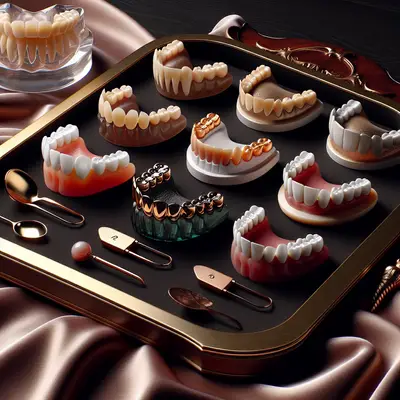
Selecting dentures today is less about compromise and more about curation. Advances in materials, fabrication techniques, and aesthetic customization mean your replacement teeth can be tailored as thoughtfully as a bespoke suit. Understanding the nuances between denture types allows you to move beyond “what fits” and into “what truly suits” your lifestyle, facial features, and long-term oral health.
This guide explores the principal denture types, what distinguishes them, and five exclusive, under‑discussed insights that discerning denture wearers quietly rely on to achieve comfortable, natural-looking results.
The Foundations: Complete, Partial, and Implant-Supported Dentures
Complete dentures are designed for those who are missing all teeth in the upper or lower arch. They rest directly on the gums and underlying bone, relying on precise fit, saliva tension, and muscular coordination for retention. While traditional acrylic bases remain standard, higher-end options incorporate advanced resins and layered teeth that better mimic the translucency and texture of natural enamel.
Partial dentures fill the spaces created by several missing teeth while preserving healthy remaining teeth. They often include a metal or flexible resin framework that anchors to existing teeth. For the sophisticated wearer, the key is not only function but discretion—subtle clasps, enhanced color matching, and minimal visual intrusion when you smile or speak.
Implant-supported dentures represent a more anchored, stable category. Rather than relying solely on gum support, these dentures attach to titanium implants placed in the jawbone. This design can enhance chewing power, reduce denture movement, and help preserve bone volume over time, significantly elevating both comfort and confidence.
Material Matters: Acrylic, Metal Frameworks, and High-Performance Resins
While most people focus on the shape of the teeth, the base and framework materials profoundly influence daily comfort and longevity. Traditional acrylic dentures are widely used because they are adjustable, repairable, and relatively cost-effective. However, premium options use denser, higher-impact acrylics that better resist staining and micro-fractures.
Metal frameworks—commonly cobalt-chromium alloys—for partial dentures allow for thinner, more refined designs that feel less bulky while offering strength and stability. These frameworks can be contoured with precision so they nestle closely against your teeth, making the appliance more discreet.
Newer high-performance resins and flexible materials can be advantageous for patients with metal sensitivities or aesthetic demands where visible clasps must be minimized. A nuanced conversation with your dentist or prosthodontist about your wardrobe, lifestyle, and speaking engagements can guide choices that feel almost “invisible” in both look and sensation.
Precision and Personality: Customization Beyond “Standard” Dentures
Modern dentures can be surprisingly personalized when you know what to ask for. Tooth shape, translucency, alignment, and even the slight irregularities that make a smile look authentically “yours” can be built into the design. Rather than a generic, perfectly even row of teeth, many patients now request a subtly asymmetrical, naturally contoured smile that respects their age and facial proportions.
Artificial gums (the pink acrylic portion) can also be artfully characterized. Skilled dental technicians can incorporate natural color variations, slight texture, and gum contours that echo your original anatomy. This creates a softer transition between the denture and your natural tissues, particularly visible when you laugh or speak animatedly.
Photographs of your younger smile, old dental records, and even your preferences for lipstick shades or grooming style help inform these aesthetic decisions. The result is not simply a set of dentures, but a carefully curated facial feature that harmonizes with your entire appearance.
Five Exclusive Insights Seasoned Denture Wearers Quietly Rely On
Experienced denture wearers—and the clinicians who cater to them—understand several refined truths that are rarely highlighted in basic guides. These insights can transform your experience from merely “functional” to genuinely elevated.
1. The “Second Fit” Phase Is Where the Magic Happens
The initial fit, while important, is only the beginning. As your gums and underlying bone subtly adapt in the first weeks and months, a strategic follow-up schedule allows for fine-tuning that dramatically improves comfort and stability.
Refined wearers treat this as a planned phase rather than an inconvenience. Multiple adjustment appointments, minor relines, and bite refinements can eliminate pressure points and clicking sounds, and optimize chewing balance. Approaching your dentures as a piece of precision equipment that requires calibration—rather than a finished, unchangeable product—yields a far more luxurious daily experience.
2. Occlusion (Your Bite) Is More Critical Than Most Realize
The relationship between upper and lower teeth—your occlusion—affects everything from jaw comfort to how your face looks at rest. A poorly designed bite can cause muscular fatigue, headaches, and premature wear of denture teeth.
Discerning wearers request careful occlusal analysis: your dentist should verify not only how your teeth meet when you close, but also how they glide when you speak and chew. Sophisticated occlusal schemes distribute forces evenly, reducing the risk of sore spots and enhancing the feeling that your dentures belong in your mouth rather than sitting on it.
3. Lip Support Is a Powerful, Understated Aesthetic Tool
Beyond teeth alone, well-designed dentures can subtly support the lips and lower third of the face. Loss of natural teeth often leads to a collapsed or “sunken” appearance. Through thoughtful positioning of teeth and contouring of the denture base, your clinician can enhance lip fullness and soften fine lines around the mouth without appearing artificial.
Savvy patients bring reference photos—how they looked five or ten years ago—to guide the balance between rejuvenation and authenticity. The goal is not to change your identity, but to restore structural support that makes you look well-rested and naturally vibrant.
4. Implant Positioning Dictates Freedom, Not Just Stability
For implant-supported dentures, the number and placement of implants influence more than just how firmly the denture snaps into place. Strategic positioning can allow for a slimmer palate (or even an open palate in upper dentures), freeing the tongue and restoring a more natural sense of taste and temperature.
Sophisticated treatment planning often involves imaging (such as CBCT scans) and digital simulations to determine where implants will best preserve bone, enhance speech, and minimize the bulk of the final prosthesis. This transforms an implant denture from simply “solid” to genuinely liberating.
5. High-End Maintenance Extends Beauty, Not Just Lifespan
Prestige-level denture wearers treat their appliances with the same care given to fine jewelry or luxury eyewear. This goes beyond routine cleaning: periodic professional polishing can restore luster, remove microscopic scratches that harbor stains, and keep edges refined and comfortable.
Additionally, scheduled “aesthetic reviews” every few years allow for tooth refinishing or replacement before visible wear or discoloration becomes noticeable. This approach recognizes that, like any high-use item, dentures benefit from preventive rejuvenation rather than waiting for overt breakage or dissatisfaction.
Choosing Your Ideal Denture Type: A Collaborative Decision
Selecting the right denture type is best approached as a collaboration between you, your dentist or prosthodontist, and often a skilled dental laboratory. Rather than asking only, “What can I have?” consider framing the conversation around:
- How you live: dining habits, social engagements, speaking demands, and travel.
- How you want to look: youthful vs. age-appropriate, discreet enhancements vs. bold rejuvenation.
- How you want it to feel: maximum stability, minimal bulk, or the most natural tongue and palate freedom possible.
- How you want to invest: immediate affordability vs. long-term value, especially with implant-supported options.
By understanding the distinctions between complete, partial, and implant-supported dentures, appreciating the importance of materials and occlusion, and embracing the finer points outlined in the five exclusive insights, you elevate the entire experience. Your dentures become not merely a clinical necessity, but a carefully considered element of your personal presentation, comfort, and confidence.
Conclusion
The landscape of denture design has evolved into a realm where form, function, and finesse can coexist. Today’s dentures can be crafted to respect your facial architecture, align with your lifestyle, and support your long-term oral health with remarkable subtlety.
When you approach denture selection with the same discernment you bring to tailoring, skincare, or eyewear, you unlock an entirely different level of satisfaction. Armed with an understanding of denture types and the sophisticated nuances that experts quietly prioritize, you are better positioned to request—and receive—a solution that feels as thoughtfully curated as the rest of your life.
Sources
- American College of Prosthodontists – Dentures Overview – Clinical overview of complete, partial, and implant-supported dentures and when each type is indicated.
- Mayo Clinic – Dentures: What to Expect – General guidance on denture types, fitting, and adaptation after tooth loss.
- National Institute of Dental and Craniofacial Research (NIDCR) – Tooth Replacement – Evidence-based information on options for replacing missing teeth, including dentures and implants.
- Cleveland Clinic – Dental Implants and Implant-Supported Dentures – Detailed explanation of dental implants, their role in supporting dentures, and benefits for function and bone preservation.
- Harvard School of Dental Medicine – Prosthodontics and Oral Rehabilitation – Professional background on prosthodontic principles that underpin advanced denture design and fit.
Key Takeaway
The most important thing to remember from this article is that this information can change how you think about Denture Types.