Choosing dentures is no longer a binary decision between “full” and “partial.” Today’s prosthetic options span a nuanced spectrum of aesthetics, comfort, technology, and lifestyle compatibility. For the discerning wearer, understanding these distinctions transforms denture selection from a clinical necessity into a curated, deeply personal choice. This guide explores contemporary denture types with a focus on subtle advantages, refined details, and the kind of lived-in insights you rarely hear in the treatment room.
A Modern Landscape of Denture Types
The term “dentures” now encompasses a range of solutions, each crafted for specific oral conditions and personal priorities.
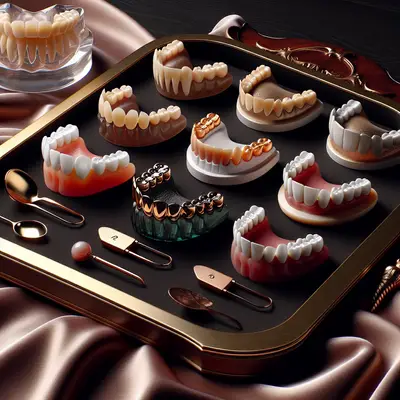
Conventional complete dentures remain the classic option when all teeth in an arch are missing. These are typically fabricated after any remaining teeth are removed and the gum tissue has healed. While they are removable and relatively economical, modern versions can be far more refined than their predecessors, with lifelike translucency, natural color gradations, and carefully characterized gum-tones.
Partial dentures are designed when some natural teeth remain. They use precision attachments or metal/acrylic frameworks to anchor around existing teeth, preserving bite stability and facial support. Contemporary partials often minimize visible metal and can be engineered to blend discreetly with natural enamel.
Implant-supported dentures introduce an entirely different level of stability. Here, titanium implants in the jaw anchor a full or partial prosthesis, dramatically reducing movement and improving chewing power. These systems may be fixed (only removable by a clinician) or “snap-on” styles that the wearer can remove at home.
Interim or immediate dentures are transitional solutions placed the same day teeth are removed. They protect healing tissues, maintain appearance, and provide a functional stopgap while the mouth remodels. Later, they are either relined or replaced by a definitive prosthesis.
Ultimately, the “right” type of denture is less about a generic category and more about how precisely a chosen design supports your bone structure, muscle dynamics, speech patterns, and aesthetic tastes.
Beyond Labels: How Materials and Design Quietly Shape Your Experience
Within each denture type, materials and design details quietly dictate day-to-day comfort and confidence.
High-impact acrylic bases are common, but premium options may incorporate layered acrylics that mimic natural gum textures and subtle color variations, avoiding the monotone “plate” look. Advanced tooth materials, such as nano-hybrid composites or multi-layer porcelain, can closely match the light-reflective properties of natural enamel, allowing for a more understated, authentic appearance.
The arrangement of the prosthetic teeth—the occlusal scheme—is equally important. Balanced occlusion helps distribute chewing forces evenly, protecting both the denture and the underlying bone. For some wearers, a lingualized occlusion (where upper palatal cusps contact lower central fossae) offers both stability and comfort, especially when the ridge is moderately resorbed.
Refined denture design also considers lip support, vertical dimension (the space between upper and lower jaws), and phonetics. A subtly adjusted vertical dimension can change the way your lower face rests, softening lines around the mouth and restoring a youthful, but not artificial, fullness. Similarly, the thickness and contour of the front palate area influence how you pronounce “s,” “t,” and “d” sounds.
These nuances can transform a denture from something you “manage” to something that feels like a seamless extension of your facial identity.
Matching Denture Types to Your Lifestyle and Priorities
While clinical considerations guide the initial list of options, your lifestyle, work, and personal sensibilities should shape the final decision.
If you travel frequently or have an unpredictable schedule, maintenance simplicity might matter as much as aesthetics. Conventional or precision partial dentures, when well fabricated, are relatively straightforward to clean, repair, or adjust in a wide range of clinical settings. Implant-supported options offer superior stability, but you must be comfortable with more involved surgical and maintenance protocols.
For those in highly visible roles—public speaking, client-facing professions, or performing arts—the priority often shifts to absolute security and naturalistic appearance under scrutiny and bright lighting. Implant-retained or fixed hybrid dentures (sometimes called “all-on” solutions) can be especially appealing because they minimize fear of movement during animated speech or laughter.
If you have a history of bruxism (clenching or grinding), your dentist may steer you toward particularly robust tooth materials and a reinforced design, or ensure that your implants and prosthesis are engineered to handle higher bite forces. A protective night appliance may be recommended even with fixed implant-supported options.
Health conditions also play a quiet but important role. Autoimmune disorders, medications that reduce saliva, or a history of radiation to the head and neck can influence whether your tissues will comfortably tolerate a traditional acrylic base or whether a more stable, implant-anchored solution may be preferable to reduce friction and sore spots.
The most successful outcomes arise when the selected denture type is in harmony with how you live each day, not simply how your oral structures look in a chair.
Five Exclusive Insights Experienced Denture Wearers Rarely Hear Early On
Beyond classifications and materials, there are subtle realities that seasoned denture wearers often wish they had understood from the beginning. These five insights can guide your decision-making with a more sophisticated lens.
1. The “Second Set” Often Fits Better Than the First
Your jawbones and soft tissues remodel significantly in the first 12–24 months after extractions. Even the best initial denture will gradually lose some of its precision as the ridge resorbs and reshapes. Many people judge dentures harshly based on this transitional phase.
A well-timed reline, or a carefully planned “second set” once the tissues have stabilized, typically feels more harmonious and secure than the first. When discussing treatment, ask your dentist how they anticipate and phase your care over those first two years, instead of viewing your initial set as the final word.
2. Bite Design Matters as Much as Aesthetic Design
Most people naturally focus on color, shape, and size of the teeth. Yet the way upper and lower teeth meet frequently determines whether you can enjoy crisp foods, delicate textures, and complex meals without anxiety.
Ask specifically about the occlusal philosophy your dentist or prosthodontist favors: how do they design your bite to handle chewing forces, protect your jaw joints, and minimize rocking? A thoughtfully engineered bite can reduce sore spots, improve chewing efficiency, and even influence head and neck posture, especially with full dentures or extensive partials.
3. Implant-Supported Does Not Automatically Mean “Maintenance-Free”
Implant-retained and fixed dentures offer life-changing stability, but they demand an elevated standard of hygiene and professional follow-up. Biofilm can accumulate around implant components in ways that differ from natural teeth, and peri-implant disease can develop quietly.
Clarify, in detail, what your daily routine should look like with implant-supported dentures: specialized brushes or flossing systems, recommended cleaning agents, and the expected cadence of professional maintenance visits. The true luxury of implants is realized only when the long-term maintenance protocol is taken as seriously as the initial surgery.
4. Subtle Customization of Gum Contours Can Transform the Overall Look
Many patients focus on the teeth and accept the base as an afterthought. In premium prosthetics, however, careful sculpting and tinting of the “gingiva” can make the entire restoration look more authentic and flattering to your facial features.
Discuss whether your denture will incorporate graduated shades (to mimic natural variations in gum color), slight stippling (to replicate natural texture), and contouring that respects your unique lip line and smile dynamics. These refinements are often what separates an obviously prosthetic look from one that reads as quietly natural—even at close range.
5. Long-Term Comfort Is a Collaboration, Not a Single Procedure
The most comfortable dentures over a decade or more are usually the result of an ongoing relationship with your clinician rather than a one-time fabrication. As bone remodels and muscles adapt, periodic micro-adjustments keep the prosthesis in tune with your evolving anatomy.
Plan, from the outset, for a maintenance trajectory: expected relines, recommended replacement intervals for wear-prone components (like acrylic teeth in heavy chewers), and contingencies if your general health changes. Framing your denture type as part of a long-range oral wellness plan—not a single purchase—tends to yield markedly better comfort and satisfaction.
Elevating Your Decision from Necessary to Intentional
The choice of denture type is often made at a moment of urgency—after a difficult diagnosis or following years of dental challenges. Yet with modern options, this decision can become an opportunity to thoughtfully reimagine your smile, function, and daily comfort.
By looking beyond simple labels (full, partial, implant-supported) and engaging in conversations about bite design, facial support, material refinement, and long-term maintenance, you give yourself access to a more elevated result—one that respects both your oral health and your personal standards.
Approach your consultation as a collaborative design session. Ask how each proposed denture type will influence not just your appearance, but your speech, your meals, your travel, and your confidence over the next decade. In doing so, you transform dentures from a technical solution into a quietly luxurious, tailored aspect of your everyday life.
Sources
- American College of Prosthodontists – Dentures Overview – Clinical definitions and explanations of complete, partial, and implant-supported dentures
- Mayo Clinic – Dental Implants – Detailed discussion of implant procedures that support certain denture types
- Cleveland Clinic – Dentures: Types, Uses & Care – Consumer-focused overview of denture categories, expectations, and care
- National Institute of Dental and Craniofacial Research (NIDCR) – Information on tooth loss, edentulism, and considerations that lead to prosthetic solutions
- Harvard School of Dental Medicine – Implant Dentistry Program – Professional perspective on implant-based restorations that underpin advanced denture options
Key Takeaway
The most important thing to remember from this article is that this information can change how you think about Denture Types.