Selecting dentures today is less about “making do” and more about curating a personal, refined aesthetic and functional experience. With advances in materials, design, and digital customization, your choice of denture type can be as considered and individual as your choice of eyewear, wardrobe, or fragrance. The right decision blends discretion, comfort, and confidence into a seamless part of your everyday life.
This guide explores contemporary denture types through a sophisticated lens—and reveals five exclusive, often-overlooked insights that discerning wearers quietly rely on.
Understanding the Modern Landscape of Denture Types
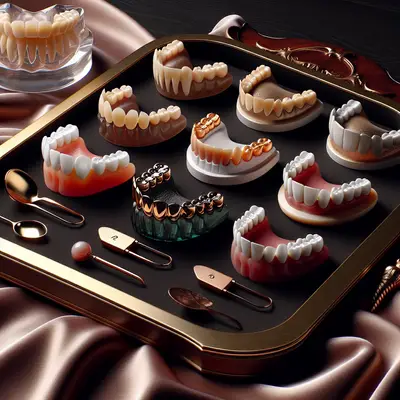
Modern dentures fall into a few primary categories: complete, partial, and implant-supported solutions, each with its own sub-variants and refinements.
Complete, or full, dentures are designed when all teeth in an arch (upper, lower, or both) are missing. Traditional full dentures rest on the gums, while premium versions may incorporate precision impressions, layered acrylic teeth for a more natural translucency, and customized gum shading that mimics subtle capillaries and tissue tones.
Partial dentures are used when some natural teeth remain. They can be metal-based (often cobalt-chromium frameworks) for rigidity and stability, acrylic-based as a more economical solution, or flexible resin-based for greater comfort and visual discretion around the gumline. High-end partials often incorporate precision attachments that “click” into crowns or specially prepared teeth, avoiding visible metal clasps.
Implant-supported dentures, sometimes called overdentures, attach to dental implants anchored in the jaw. These can be removable (snapping onto locator attachments or a bar) or fixed (secured with screws only your clinician can remove). The result is a markedly more stable and secure experience—especially transformative for the lower jaw, where traditional dentures can be most challenging.
The art lies in matching these categories to your unique anatomy, lifestyle, and aesthetic expectations rather than defaulting to the most common option.
Complete vs Partial vs Implant-Supported: A Curated Comparison
The decision among complete, partial, and implant-supported dentures is about more than replacing missing teeth; it’s about orchestrating how your face, bite, and daily habits work together.
Complete dentures, when crafted at a high level, can subtly restore facial volume that is often lost with missing teeth and bone resorption. A well-designed full denture supports the lips and cheeks in a way that softens lines and refines the lower third of the face. However, traditional full dentures rely entirely on the fit against your gums and palate for retention, making meticulous impressions and periodic relining essential.
Partial dentures offer the advantage of preserving remaining natural teeth, which in turn help maintain jawbone and facial structure. A thoughtfully designed partial integrates seamlessly with your existing teeth in shade, shape, and alignment. The most elegant partials avoid conspicuous metal clasps on front teeth, choosing internal precision attachments or carefully positioned clasps that disappear into the smile.
Implant-supported dentures elevate the conversation entirely. The implants anchor your prosthesis and help preserve jawbone by transmitting chewing forces into the bone—much as natural roots would. The result is a bite that feels more confident and less tentative, allowing for a broader range of foods and a more natural chewing pattern. While the investment—financially and in healing time—is greater, many wearers describe the outcome as the closest they have come to “forgetting” they wear dentures at all.
Material Matters: Acrylic, Metal, Flexible, and Beyond
The materials behind your chosen denture type profoundly influence comfort, longevity, and aesthetics.
Acrylic resin remains the cornerstone for most denture bases and artificial teeth. In premium designs, multi-layered acrylic teeth are shaped and tinted to mimic real enamel’s translucency and natural imperfections. High-impact acrylic formulations can resist fractures more effectively, particularly important for those who clench or have strong bite forces.
Metal frameworks, typically cobalt-chromium, are common in high-quality partial dentures. Thin yet strong, they allow for a more delicate, less bulky design that many patients find both more comfortable and more stable. A well-crafted metal framework is like a finely tailored suit lining—largely unseen, but essential to the overall structure and feel.
Flexible materials, such as nylon-based resins, offer a more forgiving and often more visually discreet option, especially when the gum-colored base needs to blend seamlessly with surrounding tissues. They can be particularly appealing in the aesthetic zone where metal clasps would be unwelcome. However, flexible dentures may be more challenging to adjust and polish, and they are not always the most suitable long-term solution for every bite.
For implant-supported prostheses, options range from acrylic over a metal bar to high-end zirconia bridges. Zirconia offers exceptional strength and a refined, tooth-like translucency, making it a favored material in premium fixed cases. Your clinician and technician can collaborate to blend these materials in a way that serves both performance and appearance, much like a bespoke piece of jewelry that balances structural integrity with elegance.
Personalized Fit and Function: The Art Behind Precision Dentures
Beyond the broad categories of denture types lies the critical, often underappreciated world of precision fit and functional design.
A high-level denture process goes well beyond a single impression. It may include multiple stages: detailed primary and secondary impressions, jaw relation records, facial and smile analysis, and a try-in appointment where the arrangement of teeth is tested both aesthetically and functionally. At this stage, details such as midline, tooth length, smile curve, and how the teeth meet during chewing are evaluated and refined.
Bite design (occlusion) is pivotal. An elegant denture allows you to chew efficiently and speak effortlessly, without clicking, shifting, or causing sore spots. Balanced occlusion aims to distribute forces evenly, minimizing rocking or movement while you eat. For implant-supported options, occlusion can be even more precisely tuned, ensuring that the implants are loaded in a way that protects both the bone and the prosthesis.
Increasingly, digital dentistry also plays a role. Intraoral scanning, digital smile design, and CAD/CAM fabrication can produce dentures with a level of consistency and detail that was difficult to achieve previously. These technologies can also store your records, making future remakes or refinements more predictable—an understated yet meaningful luxury for long-term wearers.
In the most refined cases, your denture becomes not merely a replacement, but a custom-calibrated extension of your own physiology and personal aesthetic.
Five Exclusive Insights Sophisticated Denture Wearers Quietly Value
Beneath the surface of everyday denture conversations lies a set of nuances that experienced, discerning wearers deeply appreciate. These five insights often distinguish an acceptable experience from an exceptional one:
Micro-adjustments Make a Macro Difference
The real magic often happens after the initial delivery. Returning for minor adjustments—soft tissue pressure points, tiny bite refinements, and delicate contouring of the borders—can transform a “good” denture into one that feels nearly invisible. Subtle refinements to tooth length or angulation can also dramatically soften or sharpen your overall facial expression.
Palette Coverage Is a Design Choice, Not a Fixed Rule
Upper dentures traditionally cover the entire palate, but that’s not always necessary with certain designs or when implants are involved. For some, a more open palate (possible with implant support or specialized frameworks) enhances taste perception, speech clarity, and overall comfort. Discussing palatal coverage as an intentional design decision, rather than a default, can significantly elevate the wearing experience.
Shade Is About Harmony, Not Just “White”
The most sophisticated dentures resist the temptation of overly bright, unrealistically white shades. Instead, they prioritize harmony with your skin tone, eye color, age, and even your personal style. Subtle gradients, slight translucency at the incisal edges, and gentle individualization (like minor rotations or spacing) create a smile that looks refined rather than “done.”
Soft Liners Can Be a Strategic, Not Merely Comfort, Element
Soft liners—cushion-like materials placed inside a denture—are often viewed as a remedy for soreness. In reality, they can be part of a broader strategy for those with thin or irregular ridges, recent extractions, or conditions that make pressure tolerance difficult. When used thoughtfully, soft liners can buy time for tissue to stabilize, or provide a more forgiving interface while planning a future implant solution.
Planning for the Next Five Years Is as Important as Today’s Fit
Bone and soft tissues naturally change over time, especially after tooth loss. Discerning wearers plan for this evolution. That may mean selecting a design that can be easily relined, leaving open the option to add implants later, or consciously choosing materials and tooth shapes that will age gracefully. Thinking three to five years ahead turns your denture from a one-time fix into a considered, long-term strategy.
These quiet insights are often where a truly premium denture experience sets itself apart—rooted not just in what you receive today, but how thoughtfully it supports your life tomorrow.
Choosing with Intention: Aligning Denture Type with Lifestyle
Once you understand your options, the most refined decision-making process involves aligning your denture type with your daily life, personal identity, and long-term aspirations.
If you value absolute discretion and minimal movement while speaking or dining out, implant-supported solutions may align best with your expectations—even if they require a staged approach over time. Those who travel frequently or prefer simpler maintenance may choose a meticulously crafted removable prosthesis that allows easy cleaning and predictable upkeep anywhere in the world.
Consider your social and professional life as well. A public-facing role, frequent presentations, or high-stakes social events may call for the most stable, predictable option you can reasonably pursue. Alternatively, if your current focus is transitional—healing after extractions, considering future implants, or working within a defined budget—a well-designed interim denture can still be elegant, comfortable, and thoughtfully prepared for future upgrades.
Above all, invite your dental team into this conversation not as mere providers, but as collaborators. Share how you live, eat, travel, and present yourself. The most exceptional outcomes emerge when your denture type is chosen not in isolation, but as part of a broader, curated vision of your overall well-being and confidence.
Conclusion
Modern denture types offer an impressive, often underestimated range of sophistication—from carefully contoured full dentures to discreet partials and remarkably stable implant-supported designs. The real luxury lies not only in the category you select, but in the nuanced decisions about materials, fit, aesthetics, and long-term planning.
When you approach dentures as a curated investment in comfort, appearance, and ease of living, they become more than a clinical solution. They evolve into a quietly powerful instrument of self-assurance—one that allows you to speak, laugh, and dine with a sense of composure that feels entirely your own.
Sources
- American College of Prosthodontists – Dentures Overview – Explains types of dentures, including complete, partial, and implant-supported options.
- Mayo Clinic – Dental Implants – Discusses dental implants and how they support various prosthetic solutions, including overdentures.
- Cleveland Clinic – Dentures – Covers indications, types, benefits, and care considerations for dentures.
- National Institute of Dental and Craniofacial Research (NIDCR) – Tooth Loss – Provides context on tooth loss, its impact on oral structures, and considerations for replacement.
- Columbia University College of Dental Medicine – Removable Partial Dentures – Offers technical insight into partial denture design, frameworks, and functional principles.
Key Takeaway
The most important thing to remember from this article is that this information can change how you think about Denture Types.