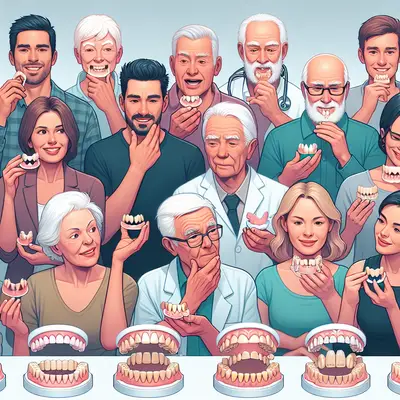
For those who view a smile as an essential part of personal presentation, choosing the right denture is far more than a clinical decision. It is an investment in confidence, comfort, and social ease. Today’s denture options are remarkably varied—each with its own aesthetic potential, level of refinement, and lifestyle fit. Understanding these nuances allows you to choose not simply “a denture,” but the right prosthetic philosophy for your life.
This guide explores the main denture types through a sophisticated lens, then reveals five exclusive, often-overlooked insights that discerning denture wearers quietly rely on to elevate their experience.
The Landscape of Modern Denture Types
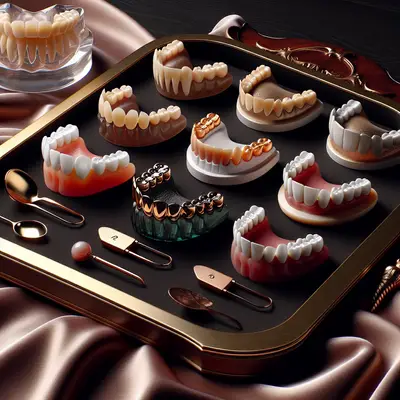
Modern prosthodontics offers a spectrum of denture designs, each crafted to address specific anatomical, aesthetic, and lifestyle needs.
Complete (full) dentures are designed for individuals who have lost all teeth in an arch (upper, lower, or both). These prostheses rest on the gums and underlying bone, with the upper denture often relying on a palate-covering design for stability. They are appropriate when remaining teeth are compromised beyond restoration or when a unified, harmonious smile is desired.
Partial dentures are intended for those who still have healthy natural teeth. They “bridge” the gaps using a framework, which may be acrylic, metal, or a flexible material. The remaining natural teeth act as anchors, helping with stability and preserving bone where roots remain.
Implant-supported dentures use titanium implants surgically placed in the jaw to secure a denture. The result is a prosthesis with dramatically enhanced stability, function, and confidence—particularly favored by those who dislike the idea of movement or adhesive dependency. Variations include bar-retained, ball-retained, and fixed hybrid designs.
Immediate dentures are placed the same day teeth are extracted, allowing you to avoid a toothless period. While aesthetically convenient, they usually require relining or replacement once the gums and bone have healed and reshaped.
Overdentures rest on a small number of retained teeth or implants, combining the comfort of a removable prosthesis with enhanced stability and bone preservation. This category elegantly bridges the gap between traditional removable dentures and fully fixed options.
Reading Beyond the Brochure: How to Evaluate Denture Types
Choosing among these options requires more than simply comparing price or appearance in a brochure. A refined approach considers facial aesthetics, phonetics, daily habits, and long-term maintenance.
Begin with bone and gum anatomy. A thinner or resorbed jawbone may struggle to support a conventional denture, particularly in the lower arch. In these situations, implant-assisted or overdenture designs can transform comfort and function, preserving the integrity of the jaw while improving stability.
Facial structure also matters. Dentures do more than replace teeth; they restore lip support, cheek volume, and lower facial height. A meticulously designed prosthesis can soften fine lines around the mouth, refine profile, and subtly rejuvenate facial symmetry.
Your speech patterns, social environment, and professional demands should be openly discussed with your dentist or prosthodontist. Certain denture designs, tooth shapes, and thicknesses can affect how you articulate “s,” “f,” and “v” sounds. A more premium approach includes phonetic testing, trying wax setups, and making micro-adjustments before the final denture is fabricated.
Consider lifestyle: Do you enjoy dining out, public speaking, or long business days with little opportunity for discreet adjustments? Implant-supported dentures or highly customized conventional dentures may offer the ease and reassurance you expect. Your ideal denture is not only the one that fits your mouth—it’s the one that fits your life.
Material Matters: Acrylic, Metal Frameworks, and Flexible Options
The sophistication of a denture is often determined by what lies beneath its polished surface. Materials influence weight, durability, aesthetics, and how “present” the denture feels throughout the day.
Conventional acrylic dentures are time-tested and widely used. Modern high-impact acrylics are stronger and more color-stable than earlier generations. The base can be tinted to mimic natural gum tones, with subtle veining or shading that looks refined rather than artificial.
Metal framework partials (commonly cobalt-chromium alloys) offer a slimmer, more rigid structure. The result is greater durability, more efficient bite force distribution, and often a less bulky feel on the palate or tongue. For the wearer, this can mean a quieter, more confident experience, especially when speaking or enjoying more textured foods.
Flexible partial dentures, often made from nylon-based materials, prioritize comfort and aesthetics by avoiding visible metal clasps. They can blend beautifully with the gums and teeth, making them appealing when discretion is paramount. However, they may be more challenging to adjust and are not ideal in every bite pattern; a measured conversation with your provider is essential.
For implant-supported dentures, advanced materials such as zirconia or high-strength acrylic over titanium bars combine elegance with engineering precision. Zirconia can deliver exceptional aesthetics and longevity, with a smooth surface that resists staining and feels pleasingly “solid” when biting.
A premium denture experience results from aligning material properties with your expectations: how light or heavy the denture feels, how it responds to temperature, how it sounds when you speak or eat, and how resilient it is to daily wear.
Five Exclusive Insights Savvy Denture Wearers Quietly Rely On
Beyond the standard advice, there are nuanced strategies sophisticated denture wearers use to elevate their daily experience. These five insights rarely appear in basic pamphlets—but they can transform how your dentures look, feel, and perform.
1. The “Try-In” Phase Is Where True Luxury Lives
Many patients rush the wax try-in appointment, treating it as a formality. Discerning wearers treat it as a fitting for a bespoke garment.
This is your opportunity to evaluate tooth length, shape, color, and alignment in motion—smiling, speaking, and laughing. Ask for photos from multiple angles, including profile, and if possible, a short video of you speaking. Consider how your denture looks in natural daylight versus indoor lighting. A premium practice may even simulate your preferred tooth shade under different lighting conditions.
Use this visit to fine-tune subtle details: the slight translucency at the incisal edges, the individuality of tooth shapes (not every tooth should look identical), and the degree of “character” you want—slightly youthful, subtly mature, or somewhere in between.
2. Micro-Adjustments to Vertical Dimension Can Change Everything
“Vertical dimension of occlusion” (VDO) is the measured space between your upper and lower jaws when your teeth are in contact. Adjusting it by even a millimeter or two can influence your appearance, comfort, and even how your jaw joints feel.
Too little height and the face can appear collapsed or prematurely aged; too much and you may experience muscle fatigue, jaw discomfort, or difficulty closing your lips gently. Sophisticated denture wearers understand that revisiting VDO—especially in the early months—can yield powerful refinements in facial aesthetics and all-day comfort.
If you notice new jaw fatigue, altered speech, or a change in how your lips rest together, discuss a VDO assessment with your prosthodontist rather than simply “living with it.”
3. Strategic Use of Adhesive Is a Technique, Not a Crutch
High-quality dentures should fit well, but many discerning wearers use adhesive not as an admission of failure, but as part of a deliberate routine for specific situations: long workdays, travel, important social events, or dining in unfamiliar settings.
The refined approach is minimal and precise. A thin, thoughtfully placed line or a few tiny dots in key pressure areas can increase comfort and stability without creating excess bulk or mess. Overuse can distort the fit, introduce residue, and make cleaning more laborious.
Work with your dental professional to identify optimal placement zones for your specific denture, and periodically re-evaluate adhesive use—if it becomes essential rather than optional, your denture may require adjustment, reline, or redesign.
4. Custom Tooth Morphology Influences More Than Aesthetics
The shape, contour, and texture of denture teeth affect not just how they look, but how they perform. Subtle grooves, rounded edges, and cusp angles determine how food breaks apart, how smoothly the jaws move, and how your tongue navigates inside the mouth.
Premium prosthodontic designs often incorporate customized tooth morphology—particularly for implant-supported or high-end complete dentures. You may be able to request slightly softened incisal edges for a more natural appearance, gentle surface texture to catch the light realistically, or tailored cusp shapes to complement your chewing style.
These refinements can reduce lateral stresses on your tissues, streamline chewing, and enhance the “natural tooth” illusion. Ask your provider about whether your denture teeth are standard stock forms or custom-designed and adjusted for your bite and facial features.
5. Long-Term “Refinement Planning” Outperforms One-Time Perfection
The most satisfied denture wearers approach their prosthesis as a long-term project rather than a single event. Bone and gum tissues change over time—especially in the first 12–24 months after extractions—so even the most meticulously made denture will eventually need refinement.
A sophisticated care plan often includes a scheduled relining or refitting timeline, particularly for conventional complete dentures. Rather than waiting for obvious looseness, subtle signs—slight rocking, new sore spots, or mild food trapping—are taken as cues to intervene early.
For implant-supported dentures, regular maintenance includes periodic screw checks or replacements, professional cleanings around implants, and occasional polishing or resurfacing of the prosthesis. Understanding this trajectory allows you to think in terms of ongoing curation of your smile, preserving both aesthetics and function at a consistently high level.
Elevating Your Decision from Acceptable to Exceptional
Selecting a denture type is an intimate intersection of science, craftsmanship, and personal taste. The process deserves the same thoughtful consideration you might devote to commissioning a tailored suit, selecting a signature fragrance, or choosing a timepiece—you are designing a visible, daily expression of yourself.
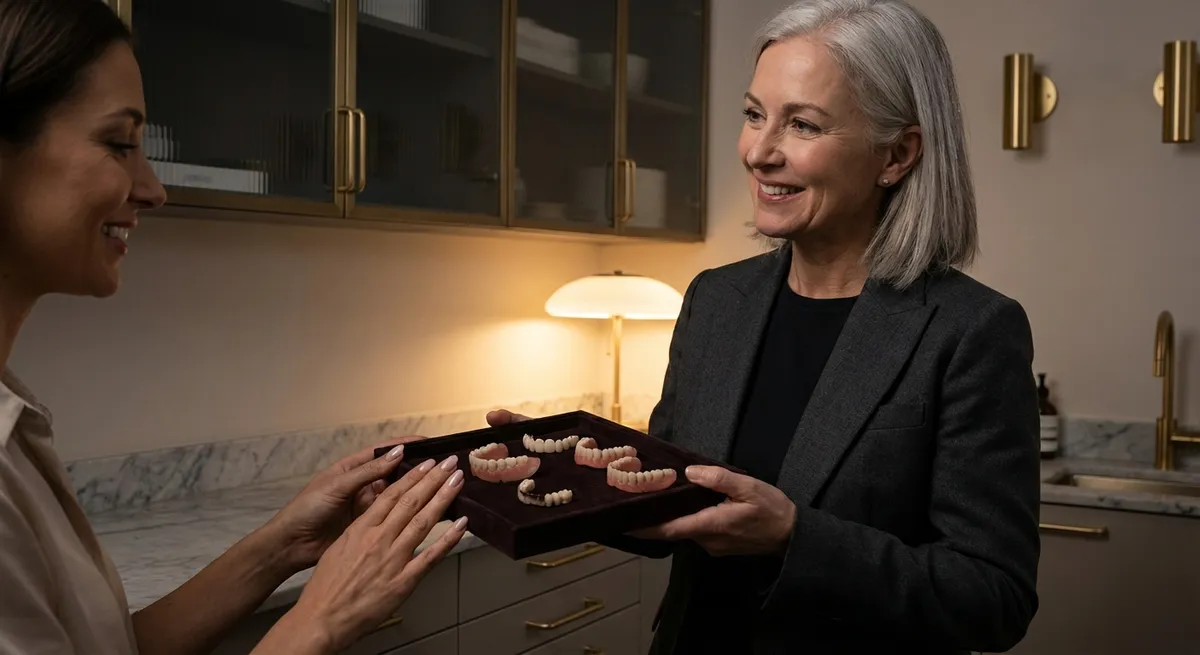
Collaborate openly with a dentist or prosthodontist who welcomes detailed questions, embraces trial phases, and values small refinements. Discuss not only the category of denture, but also material, tooth design, long-term maintenance expectations, and how you want your smile to feel in motion—not just in photos.
With a discerning approach and attention to these nuanced insights, your dentures can transcend basic function and become a quietly luxurious part of your daily life: reliable, elegant, and intimately tailored to you.
Sources
- American College of Prosthodontists – Dentures Overview - Explains types of dentures, indications, and what to expect from treatment
- Mayo Clinic – Dentures: What to Expect and How to Care for Them - Provides practical information on fit, adjustment, and ongoing care
- Cleveland Clinic – Dentures - Reviews different denture options, materials, and potential advantages and drawbacks
- National Institute of Dental and Craniofacial Research (NIDCR) – Tooth Replacement Options - Discusses prosthetic choices including dentures and implants from a research-based perspective
- Columbia University College of Dental Medicine – Dental Implants and Prosthetics - Offers insight into implant-supported solutions and how they integrate with prosthetic design
Key Takeaway
The most important thing to remember from this article is that this information can change how you think about Denture Types.