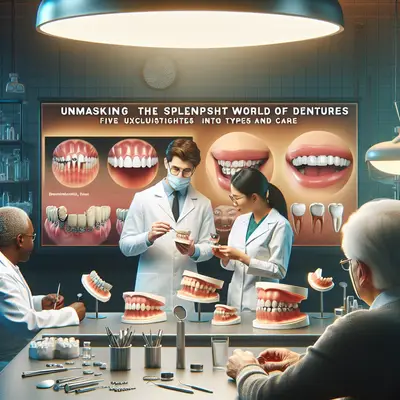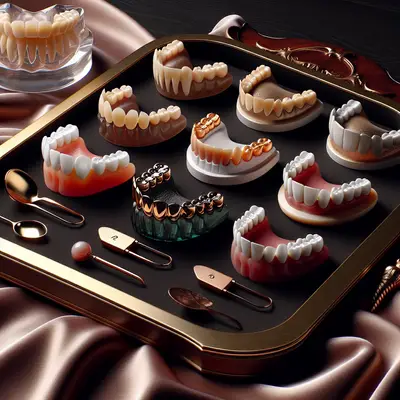
Denture aesthetics and comfort have evolved far beyond the one‑size‑fits‑all plates of previous generations. Today, choosing between denture types is less about compromise and more about curating a solution that reflects your lifestyle, priorities, and sense of refinement. From ultra-subtle partials to implant‑anchored masterpieces, the modern denture landscape offers options that can be tailored as thoughtfully as a bespoke suit.
This guide explores the main denture types through a premium lens—focusing on discreet appearance, advanced materials, and elevated comfort—while revealing five exclusive insights that discerning denture wearers often wish they had known from the start.
Understanding the Modern Denture Landscape
Denture types are no longer defined solely by “full” or “partial.” Instead, they exist on a sophisticated spectrum that considers bone health, facial structure, aesthetic expectations, and daily routine. Conventional full dentures remain a reliable choice when all teeth in an arch are missing, but they now coexist with refined alternatives such as implant‑supported complete dentures, flexible partials, and precision attachment partials that eliminate visible metal clasps.
Partial dentures are designed to replace a select number of missing teeth while working harmoniously with your natural dentition. They are crafted in materials ranging from classic acrylic-and-metal frameworks to flexible, gum‑colored polymers that blend elegantly with soft tissues. For those seeking enhanced stability, implant-assisted and implant-supported dentures bridge the gap between traditional removable solutions and fixed restorations, distributing bite forces more naturally and preserving jawbone volume.
Temporary or “immediate” dentures serve as an interim solution after extractions, allowing you to maintain your appearance while your mouth heals. These are later refined or replaced with a definitive prosthesis that better reflects your healed anatomy and aesthetic goals. In refined care, the question is not simply “Which denture type?” but “Which combination of design, material, and support structure best complements your long‑term oral health and personal standards?”
Full vs. Partial Dentures: Beyond the Basics
Full dentures are recommended when an entire arch—upper, lower, or both—requires replacement. They are sculpted to support the lips and cheeks, restoring facial harmony in addition to chewing function. Upper dentures typically achieve retention through a gentle suction seal against the palate, while lower dentures must work in concert with the tongue, cheeks, and underlying bone for stability. Contemporary full dentures can integrate refined tooth morphology, translucency, and gum shading to avoid the “overdone” look of older prostheses.
Partial dentures, in contrast, are designed with precision to coexist with existing teeth. A metal-based partial uses a cobalt‑chromium framework for strength and durability, securing to natural teeth with carefully shaped clasps or precision attachments. Flexible partials use nylon‑based or similar materials that sit softly against the gums and can provide a more subtle, clasp‑free appearance—especially valuable in visible smile zones. The choice between these options is not merely aesthetic; it balances engineering, longevity, tissue health, and the ability to maintain a meticulous hygiene routine.
The most sophisticated treatment plans often use partial dentures as a strategic bridge: stabilizing the bite now while preserving options for implants or alternative restorations later. Your prosthodontist or restorative dentist will assess bite alignment, bone levels, and the health of remaining teeth before recommending which configuration best honors both present elegance and future flexibility.
Implant-Supported Excellence: When Stability Meets Aesthetics
Implant‑supported and implant‑retained dentures have redefined what is possible for those seeking a premium solution. Dental implants function as artificial roots placed into the jawbone, onto which specialized attachments or bars can secure a denture. Rather than relying on suction or adhesives alone, the prosthesis “clicks” into place, markedly improving confidence during speaking, laughing, and dining.
There are several configurations within this category. An implant‑retained overdenture may be removable by the patient for cleaning but is locked into position during wear, offering superior stability to conventional dentures. Implant‑supported fixed dentures—sometimes referred to as “fixed hybrid” prostheses—are anchored permanently and removed only by the dentist, providing a sensation closer to natural teeth. Both approaches help slow bone resorption by transmitting functional forces through the implants into the jaw.
This category particularly benefits those who prioritize a seamless social presence: fewer worries about movement, more natural speech, and the confidence to enjoy a varied diet. While the investment is higher than traditional dentures, many patients consider it comparable to commissioning a piece of high‑performance, custom‑engineered jewelry—functional, beautiful, and tailored to the way they live. A thorough consultation, including 3D imaging and a detailed discussion of clinical and lifestyle goals, is essential to determine whether this elevated treatment concept is right for you.
Material Matters: Acrylic, Flexible, and High-End Hybrids
The material composition of your denture quietly shapes your everyday experience—weight, comfort, acoustic quality when speaking, and even the way light interacts with your smile. Traditional acrylic dentures remain widely used; the pink base mimics gum tissue, while acrylic or composite denture teeth can be selected in a spectrum of shades and translucencies. When crafted with attention to contour and subtle color variation, these can achieve a remarkably natural result.
Metal‑framework partials combine an acrylic or composite tooth layer with a thin yet strong metal base, creating a lightweight, durable structure that can be crafted with precision for a balanced bite. Flexible dentures, using thermoplastic or nylon-based materials, offer a softer contact with the tissues and can be fabricated without visible metal clasps. Their gum‑tinted arms embrace neighboring teeth discreetly, an advantage for wearers highly conscious of aesthetic details.
Premium denture lines increasingly incorporate multilayered teeth that mimic the gradation of real enamel and dentin, or digital workflows that allow for CAD/CAM-milled bases with superior fit and strength. These refined materials may also reduce the frequency of adjustments and fractures. When discussing options with your provider, ask not only about the type of denture, but also about the specific material systems available, how they age over time, and how they can be maintained to preserve their luster and precision.
Five Exclusive Insights for the Discerning Denture Wearer
1. Micro‑Fit Adjustments Transform the First Month
Most denture wearers anticipate an initial “breaking‑in” period but underestimate the impact of micro‑adjustments. Minute refinements—sometimes a fraction of a millimeter in specific pressure points—can transform a good fit into a truly luxurious one. Instead of tolerating persistent sore spots or minor instability, schedule early and frequent check‑ins with your provider during the first few weeks. A refined fit is rarely achieved in a single appointment; it is sculpted through attentive follow‑up and precise fine‑tuning.
2. The Occlusion Blueprint Is as Important as the Denture Type
While patients often focus on how the denture looks, the way the upper and lower teeth meet—your occlusion—profoundly influences comfort, wear, and even facial muscle tension. A carefully designed bite distributes forces evenly, supporting jaw joints, muscles, and remaining teeth (in the case of partials). Ask your dentist how your occlusal scheme has been planned: whether they have considered balanced occlusion, canine guidance, or other nuanced concepts appropriate for your situation. This “bite blueprint” can mean the difference between a prosthesis you simply tolerate and one that feels effortlessly integrated.
3. Digital Design Opens the Door to “Backup Smiles”
With digital dentures, your prosthesis can be designed and stored as a virtual model. This means that if your denture is lost or damaged, a replacement can often be fabricated more swiftly and with fewer appointments. For individuals who travel frequently, have public-facing roles, or simply value continuity, commissioning a second “backup” denture—made from the same digital design—is an understated luxury that provides peace of mind. It also allows you to have a “primary” denture and a backup reserved for emergencies or periods of adjustment.
4. Tissue Health Is the Hidden Hero of Denture Comfort
Even the most exquisitely crafted denture will underperform if the underlying soft tissues are inflamed or the bone ridge is compromised. Daily removal of the prosthesis for rest, meticulous cleaning of both the denture and the gums, and regular professional evaluations of the soft tissue are non‑negotiable in refined care. For implant denture wearers, peri‑implant tissue health is equally critical; gentle brushing around implants, the use of recommended interdental brushes, and routine professional maintenance help preserve both function and aesthetics for the long term.
5. Staged Treatment Can Be More Elegant Than “One and Done”
The most sophisticated denture journeys are often staged rather than rushed. Immediate dentures may be designed as a transitional phase, followed by a definitive prosthesis once healing and bone remodeling have stabilized. In some cases, partial dentures are intentionally used as an interim measure to maintain appearance and function while planning future implants or other restorative work. This layered strategy allows each phase to be optimized instead of forcing a single solution to meet every need. Approaching treatment as a curated sequence rather than a single event often yields a more natural appearance, a more stable bite, and a more satisfying overall experience.
Selecting Your Ideal Denture Type with Intention
Choosing a denture type is an opportunity to articulate how you wish to live—not merely how you wish to look. Consider your appetite for maintenance appointments, your travel and dining habits, your sensitivity to even minor discomfort, and your long‑term oral health priorities. A thoughtful consultation with a dentist or prosthodontist should feel less like a sales conversation and more like a collaborative design session, where each option is weighed for its performance, aesthetics, and longevity.
Bring your questions, your expectations, and even photographs of your natural smile if available. Ask to see examples of different denture types and materials, and request an explanation of how your proposed design will support your facial features, speech, and daily routine. With the right guidance, you can select a denture type that does more than replace missing teeth; it becomes an integral, elegant part of your identity—quietly supporting the way you speak, smile, and move through the world.
Conclusion
Modern denture types occupy a sophisticated intersection of science, design, and personal expression. Whether you select a classic full denture, a discreet partial, or a meticulously engineered implant‑supported solution, the true luxury lies in how thoughtfully each element is chosen and maintained. By understanding the nuances between options, prioritizing fit and tissue health, and embracing staged, digitally informed care when appropriate, you elevate your dentures from a basic necessity to a carefully curated extension of yourself.
In an era where subtlety and precision are increasingly valued, your denture choice can quietly embody both—delivering not only function, but also a refined confidence that feels as natural as it looks.
Sources
- American College of Prosthodontists – Dentures Overview – Explains different denture types (complete, partial, implant-supported) and when they are recommended
- Mayo Clinic – Dental Implants – Details how implants work, benefits, and considerations relevant to implant-supported dentures
- Cleveland Clinic – Dentures: Types & Care – Provides clear explanations of multiple denture options, fit, and care practices
- National Institute of Dental and Craniofacial Research (NIDCR) – Offers educational information on tooth replacement, including dentures and implants
- Harvard School of Dental Medicine – Digital Dentistry Overview – Discusses advances in digital workflows that relate to CAD/CAM and digitally designed prostheses
Key Takeaway
The most important thing to remember from this article is that this information can change how you think about Denture Types.