Modern dentures are no longer a one‑note solution; they are curated prosthetics that can be tailored as precisely as a bespoke suit. For the discerning wearer, understanding denture types is less about labels and more about how each option supports comfort, aesthetics, and lifestyle. When you know what is possible, you can ask better questions, make more confident decisions, and collaborate with your dentist on a truly refined result.
This guide explores the main denture types through an elevated lens—and we’ll weave in five exclusive, often overlooked insights that sophisticated denture wearers quietly rely on to keep their smile looking effortless.
A Modern Portrait of Denture Types
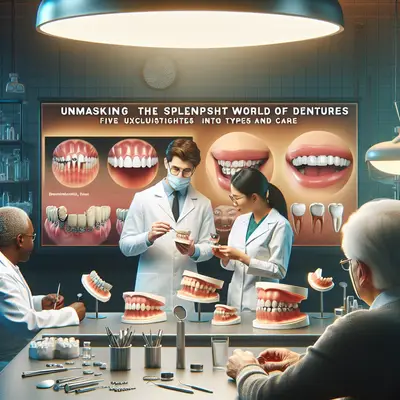
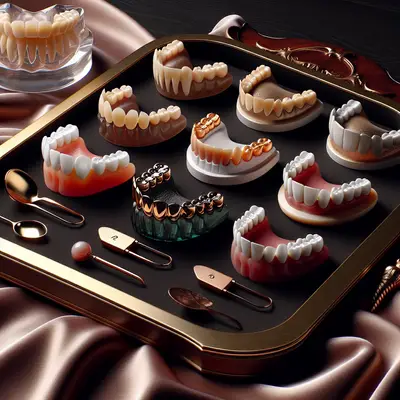
Dentures today exist on a spectrum—full, partial, fixed, removable, implant‑retained, and hybrid solutions—each with distinct advantages and nuances.
Complete (full) dentures replace all teeth in an arch and rest on the gums. They remain a reliable choice when natural teeth are no longer viable, especially when crafted from high‑quality acrylics or advanced composite materials that offer more lifelike translucency. Partial dentures are designed to integrate with remaining natural teeth, often using discreet clasps or precision attachments for stability and aesthetics. For those seeking minimal movement and an almost “forget they’re there” experience, implant‑supported dentures connect to dental implants for a more anchored, confident fit.
Within each category, there are further refinements: immediate dentures placed on the same day teeth are removed, overdentures that fit over preserved tooth roots or implants, and flexible partials made from nylon‑based materials designed for subtlety and comfort. Understanding how these elements combine—support, retention, stability, and material—allows you to select a denture type that functions less like a compromise and more like a carefully considered upgrade.
Full Dentures: From Standard Plate to Personalized Prosthesis
Full dentures are often imagined as a single, generic solution, but in reality they offer an impressive range of customization.
Traditional full dentures rest on the gums, relying on a precise fit, saliva, and muscle coordination for retention. Premium full dentures, however, go further: the teeth can be set to complement your facial structure, lip support, and even the way you speak. Tooth shade can be chosen not only for brightness, but also for natural gradation and translucency. Some high-end laboratories use layered acrylic or composite teeth that mimic the way natural enamel reflects light.
Implant‑retained full dentures elevate the experience again. By attaching to a small number of implants, they reduce movement, improve chewing performance, and help preserve jawbone volume. For those who value both security and removability for easy cleaning, implant‑retained overdentures can feel like a sophisticated compromise between traditional dentures and fully fixed bridges.
Exclusive Insight #1: “Facial Rejuvenation” Planning
A premium full denture can subtly rejuvenate facial contours by restoring proper tooth length and vertical dimension. Insist on a try‑in phase where you and your dentist evaluate not just the smile, but your profile, lip fullness, and even how your lower face looks at rest. Thoughtful adjustments here can have a “quiet facelift” effect without surgery.
Partial Dentures: Precision Solutions for an Incomplete Smile
Partial dentures are the connoisseur’s choice when preserving natural teeth is possible and desirable.
Conventional acrylic partials are often bulkier and more visible. In contrast, cast metal partials use a slim cobalt‑chromium framework with carefully designed clasps that distribute chewing forces more evenly and allow for a thinner, more refined palate. For front teeth in particular, precision attachments—tiny connectors integrated into crowns—can eliminate visible clasps entirely, making the prosthesis almost undetectable in casual conversation.
Flexible partial dentures, made from thermoplastic materials, bend slightly when inserted and often feel gentler on the gums. They are particularly appreciated when gum contours are irregular or when metal sensitivities are a concern. However, they may not always offer the same long‑term stability or adjustability as metal frameworks, so their elegance lies in choosing them deliberately for specific situations rather than as a universal solution.
Exclusive Insight #2: “Occlusal Harmony” Instead of Just Filling Spaces
A refined partial denture does more than replace missing teeth—it restores the way your upper and lower teeth meet. Ask your dentist to demonstrate how the partial affects your bite, jaw movement, and any existing tooth wear. Small adjustments now can prevent future chipping, headaches, or jaw strain.
Implant‑Supported Dentures: The Elevated Standard of Stability
Implant‑supported dentures are often described as the closest functional approximation to natural teeth, and for many discerning wearers, they set the standard.
Two main approaches define this category. First, there are implant‑retained overdentures, which “snap” onto locator attachments or a bar. These remain removable for cleaning but feel significantly more stable than traditional dentures. Second, there are fixed implant bridges or hybrid dentures, which are screwed into implants and can only be removed by a professional. These typically feel more like a permanent part of your mouth and distribute chewing forces efficiently across the implants.
When well designed, implant‑supported dentures can improve bite strength, preserve facial structure by reducing bone loss, and allow for a narrower, less bulky palate. The result is a prosthesis that feels less like an appliance and more like a seamless extension of your own dentition.
Exclusive Insight #3: “Soft‑Tissue Aesthetics” Around Implants
For truly natural results, the way the denture meets the gum line is as important as the teeth themselves. Ask your dentist about contouring the pink acrylic to mimic natural gum scallops and papillae. This subtle shaping—sometimes tinted with varied pink tones—prevents the “flat gum” look and adds quiet realism, especially in close‑up photos.
Material Matters: Acrylic, Composite, Porcelain, and Beyond
The type of denture you choose is only half of the equation; the material that brings it to life plays a decisive role in feel, appearance, and longevity.
High‑quality acrylic resins remain the standard for bases and are widely used for teeth due to their light weight and shock absorption. Upgraded acrylic or nano‑hybrid composite teeth provide improved wear resistance and a more natural translucency, especially at the incisal edges. Porcelain teeth offer exceptional stain resistance and a convincing enamel‑like sheen, but they are heavier and can be more brittle, making them more suitable in select cases with robust support.
Emerging materials—such as milled or 3D‑printed resins—promise more precise fits and repeatable results. Digital workflows allow your denture designs to be stored and re‑created if needed, which is invaluable if your current prosthesis is ever damaged or lost.
Exclusive Insight #4: “Acoustic Personality” of Denture Materials
Materials don’t just change how a denture looks; they influence how it sounds. Harder materials like porcelain can create a more pronounced “click” during speech or chewing, while high‑quality acrylics often produce a softer, more natural sound. If you are particularly sensitive about how you sound in conversations, presentations, or recordings, discuss this “acoustic personality” with your provider when choosing materials.
Lifestyle Pairing: Matching Denture Types to How You Live
An elegant denture choice respects your lifestyle as much as your anatomy.
If travel, dining out, and social events feature heavily in your life, you may prioritize stability, stain resistance, and minimal maintenance. Implant‑retained overdentures or fixed implant bridges often suit this profile, providing confidence under any spotlight. If you are a meticulous home chef, consider how heat, spices, and staining foods interact with your chosen materials, and whether an easier‑to‑polish tooth type is worth the investment.
For those who value maximum flexibility—such as being able to remove the prosthesis quickly for thorough cleaning or adjustments—removable full or partial dentures with a premium fit may be preferable. Athletes or highly active individuals might appreciate the security of implants combined with a design that balances impact resistance and comfort, particularly for contact sports where custom mouthguards are also used.
Exclusive Insight #5: “Secondary Aesthetics” Beyond the Smile Itself
Refined denture planning considers more than the visible teeth. Think about how your dentures influence your pronunciation of specific sounds, how your lips rest in quiet moments, and even how your face looks in profile when you turn your head on video calls. Ask for a trial period where you test your dentures while reading aloud, smiling in different lighting, and being recorded on your phone. These “secondary aesthetics” are where a prosthesis moves from acceptable to truly exceptional.
Choosing with Intention: Questions to Elevate Your Consultation
Arriving at your denture consultation informed and intentional transforms the experience from passive to collaborative.
Instead of simply asking, “What denture do I need?”, explore questions such as:
- “How will this denture type affect my facial support and profile over time?”
- “What materials do you recommend for a natural light reflection and minimal staining?”
- “Can we review both removable and implant‑supported options tailored to my lifestyle?”
- “How will you fine‑tune my speech, bite, and comfort after placement?”
- “Is a digital design or scan being stored so we can easily reproduce or refine this prosthesis in the future?”
The answers to these questions will reveal not only which denture type is appropriate, but also how committed your provider is to a premium standard of care. A curated prosthetic is the result of many small, thoughtful decisions—each made with your long‑term comfort, confidence, and aesthetics in mind.
Conclusion
Denture types are no longer defined solely by whether they are “full” or “partial,” “fixed” or “removable.” For the discerning wearer, they are a portfolio of options that can be shaped, layered, and refined into a smile that feels quietly luxurious—stable, understated, and convincingly natural.
By understanding full, partial, and implant‑supported dentures, appreciating the subtleties of materials, and applying the exclusive insights shared here, you can move beyond basic replacement toward a curated, personalized prosthesis. The most elegant denture is the one that disappears into your life—noticed only for the ease, poise, and confidence it allows you to carry every day.
Sources
- American College of Prosthodontists – Complete and Partial Dentures – Overview of full and partial denture options and general indications
- Mayo Clinic – Dentures: What to Expect and Types – General explanation of denture types, fit, and adaptation
- National Institute of Dental and Craniofacial Research (NIDCR) – Tooth Replacement Options – Evidence‑based information on dentures, bridges, and implants
- Cleveland Clinic – Dental Implants and Implant-Supported Dentures – Detailed insight into implant‑supported prostheses and their advantages
- Harvard School of Dental Medicine – Advances in Digital Denture Fabrication (Journal resource via Harvard Library) – Discussion of digital and milled denture workflows and material considerations
Key Takeaway
The most important thing to remember from this article is that this information can change how you think about Denture Types.