Denture selection is no longer a binary choice between “full” and “partial.” For discerning wearers, it is a quiet design exercise in comfort, aesthetics, and long-term oral health. The right denture type should suit not only your bite and bone structure, but also your lifestyle, grooming standards, and appetite for subtle refinement. Consider this your guided tour through the landscape of modern denture options—focused less on technical jargon and more on how each choice will feel and function in your daily life.
The Modern Denture Landscape: Beyond “Full” and “Partial”
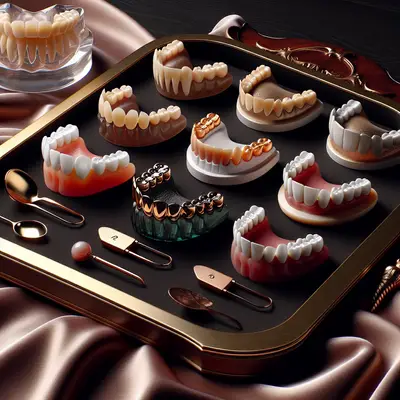
Today’s prosthetics fall along a spectrum, from traditional acrylic plates to ultra-customized implant-supported solutions. Conventional full dentures still serve those with complete tooth loss, while partial dentures preserve remaining teeth with discreet clasps or precision attachments.
Overlay dentures use existing teeth or roots as anchors, preserving bone and enhancing stability; they can be a sophisticated bridge between natural dentition and full prosthetics. Implant-supported dentures, meanwhile, deliver a more “fixed” feeling, especially in the lower jaw, where movement is often a concern with traditional plates. Finally, immediate dentures allow you to leave the dental chair with teeth on the same day as extractions—useful for maintaining your public image, while a final, more refined prosthesis is crafted once gums and bone have settled.
Each category offers different levels of security, maintenance, and aesthetic nuance. An elevated approach is less about choosing “the best” and more about choosing what is best for your anatomy, your schedule, and your expectations of comfort.
Matching Denture Types to Your Lifestyle and Habits
A sophisticated denture plan begins with a candid assessment of how you live, work, and socialize. If you entertain frequently, dine out often, or travel regularly, stability and ease of care become central. Implant-supported overdentures, for instance, offer superior retention, making social dining and speaking more relaxed; they also tend to reduce the need for adhesive.
For those with demanding schedules and minimal time for multiple daily adjustments, streamlined, low-maintenance options—such as metal-based partials with robust clasps or attachments—may be preferable. If you prioritize discretion, you may gravitate toward partials that avoid visible metal, or implant-retained options that sit more snugly against the ridge and feel less “present” in the mouth.
Conversely, if you expect changes in your oral anatomy—such as ongoing bone loss or systemic health concerns—flexible treatment plans that are easy to adjust or reline may be wiser than heavily fixed investments. Your denture type should not just look refined; it should support the rhythm of your life with minimal friction.
Material Matters: Acrylic, Metal, and Flexible Options
The choice of material is where many of the subtle comforts of denture wearing are decided. Traditional acrylic remains the backbone of full dentures: it is versatile, relatively lightweight, and straightforward to adjust or repair. High-quality acrylics can be exquisitely color-matched to your gums, allowing for a soft, natural transition from denture base to tissue.
For partial dentures, cobalt-chrome metal frameworks offer exceptional durability and a thinner profile than all-acrylic constructions, which many wearers find more comfortable and less bulky. When designed well, they balance strength with refined minimalism. Flexible partials—often made from nylon-based materials—provide a softer feel and can hug the contours of the gums, useful when aesthetics or sensitivity are paramount, though they may be less easily adjusted.
Implant-supported dentures often combine acrylic teeth with a reinforced internal framework, or, at higher tiers, advanced materials such as zirconia for enhanced durability and elevated aesthetics. Understanding material nuances allows you to advocate for a prosthesis that feels more like a bespoke accessory than a generic medical device.
The Role of Precision: How Customization Changes the Experience
Beyond the broad categories, what defines a premium denture experience is the level of customization. Meticulous impressions, detailed bite registrations, and multiple trial fittings are not mere formalities—they are what translate into fewer sore spots, a more secure fit, and a smile that suits your face rather than a catalogue.
Tooth selection and arrangement can be artful: subtle gradations of shade, carefully varied tooth lengths, and realistic translucency prevent that overly uniform “denture look.” The curvature of the arch, the way the teeth support your lips, and how they interact with facial features can brighten your expression or soften your profile.
Digitally assisted design and 3D printing now allow for highly precise, repeatable fabrication. This can be invaluable if you ever need a replacement denture due to damage or loss, as your records live beyond the initial treatment. When evaluating denture types, consider not just the final product, but the level of planning, measurement, and design that goes into its creation.
Five Exclusive Insights Discerning Denture Wearers Truly Appreciate
1. The Lower Denture Demands Special Strategy
The lower jaw is notoriously challenging for traditional full dentures because it offers less surface area and more tongue movement. If you are edentulous in the lower arch, even two strategically placed implants can transform your experience, stabilizing a lower overdenture so that speaking and chewing feel far more natural. This modest upgrade often delivers disproportionate improvement in daily comfort.
2. Subtle Tooth Positioning Influences Your Entire Face
The way denture teeth are positioned is not just a matter of bite; it shapes your facial aesthetics. Slightly advancing or retracting upper teeth can influence lip support, the appearance of lines around the mouth, and even how much of your teeth show when you speak or smile. A thoughtful dentist or prosthodontist will consider your resting expression, not only your full smile, when selecting tooth form and position.
3. Bone Preservation Is a Long-Term Luxury
All dentures sit on a foundation of bone, which naturally resorbs after tooth loss. Over time, this can lead to a “sunken” appearance and a less secure fit. Implant-based solutions—whether fixed bridges or removable overdentures—transmit functional forces to the bone and help slow this resorption. Investing in bone-preserving strategies early can mean fewer dramatic adjustments and relines over the years, and a more stable facial profile.
4. “Comfort” Is Often About Microscopic Details
The difference between a tolerable denture and an effortlessly wearable one can be millimetric. Slightly overextended borders, uneven pressure points, or excess thickness in the palate may not be obvious on day one, but over hours they create fatigue and irritation. Working with a practitioner who welcomes fine-tuning appointments—and who has the patience to adjust in tiny increments—can elevate your dentures from “manageable” to “forget they’re there.”
5. Your Future Dental Plans Should Influence Today’s Choice
Denture types exist on a continuum, and your first prosthesis can be designed with future refinements in mind. For instance, a partial denture can be crafted with the expectation that additional teeth may be lost later, making it easier and more graceful to add new teeth without a full remake. Similarly, some removable dentures can be upgraded to implant-supported designs, using the same teeth and base as a foundation. Thinking in phases allows you to maintain a polished appearance throughout life’s transitions, rather than undergoing jarring, all-at-once changes.
Navigating Cost, Longevity, and Value with Intention
Not every premium solution requires a lavish budget, but it does require clarity. Conventional acrylic dentures are generally the most accessible option; metal frameworks, flexible materials, and implants increase cost but may also extend longevity and day-to-day ease. When deciding, consider how often you are willing to replace or reline a denture, and how tolerant you are of periodic looseness as anatomy changes.
Insurance, if available, may cover basic versions but not more advanced materials or implant components. It can be helpful to see a full treatment roadmap that includes not only initial fabrication but also expected maintenance over five to ten years. Sometimes a more substantial initial investment results in fewer disruptions, fewer repairs, and a higher quality of life—particularly for those who travel, dine out, or present publicly as a matter of course.
Choosing a denture type is, in essence, choosing how you will speak, eat, and smile every day. Approached thoughtfully, with attention to materials, design, and long-term planning, your prosthesis can feel less like a compromise and more like a considered enhancement of your natural presence.
Conclusion
Denture types are no longer a flat menu of generic options; they are a layered set of choices in fit, material, stability, and aesthetics. By understanding the nuances—how implant support can transform a lower denture, how tooth setup shapes your entire expression, and how bone preservation safeguards your future—you can participate actively in crafting a prosthesis that truly suits you.
The most refined denture is not simply the most expensive or the most elaborate; it is the one that aligns with your anatomy, habits, and expectations of comfort and confidence. With the right guidance and a willingness to attend to the details, your denture can become an understated but essential part of your personal polish.
Sources
- American College of Prosthodontists – Dentures: Benefits, Types and Care – Overview of denture types, indications, and basic care from a leading professional organization
- Mayo Clinic – Dentures: What to Expect – Patient-focused explanation of denture options and adjustment period
- National Institute of Dental and Craniofacial Research – Tooth Replacement Options – Evidence-based discussion of dentures, implants, and other prosthetic choices
- Cleveland Clinic – Dental Implants and Implant-Supported Dentures – Detailed overview of how implants support dentures and help stabilize prosthetics
- Columbia University College of Dental Medicine – Complete and Partial Dentures – Academic perspective on different denture designs and clinical considerations
Key Takeaway
The most important thing to remember from this article is that this information can change how you think about Denture Types.