There is a quiet confidence in a well‑kept smile. For denture wearers, that confidence is not accidental; it is curated through subtle choices, thoughtful routines, and an understanding that premium care is less about perfection and more about consistency. When dentures are treated not as a clinical device but as part of one’s personal aesthetic, the result is a look—and a lifestyle—that feels composed, intentional, and enduring.
Reframing Denture Care as Part of Personal Grooming
Denture care becomes truly elevated when it is woven seamlessly into your existing grooming ritual rather than treated as a separate medical chore. Think of your dentures alongside your skincare, fragrance, and wardrobe: another element of your overall presentation that deserves deliberate, unhurried attention.
Start by aligning your denture routine with moments you already associate with self-care, such as your evening skincare or morning coffee preparation. Instead of rushing through cleaning, approach it as a reset for the day: removing adhesives, cleansing gently, and soaking while you unwind. This mindset shift can reduce the temptation to cut corners—such as sleeping in dentures or skipping a proper soak—and helps maintain the fit, color, and comfort of your prosthesis over the long term.
By anchoring denture care to existing, familiar habits, you create a rhythm that feels intuitive rather than burdensome. Over time, that rhythm protects not only your dentures, but also your oral tissues, facial structure, and overall sense of refinement when you speak, eat, and smile.
Choosing Products That Respect Materials and Tissues
The most elegant denture routine is also the most selective. High-quality dentures are crafted from materials that respond best to gentle, targeted care—harsh products may deliver a “scrubbed clean” feeling in the moment but accelerate microscopic wear, surface dullness, and staining.
Avoid regular toothpaste on dentures; many formulas are too abrasive for acrylic and can create fine scratches that trap pigment from coffee, tea, wine, and spices. Instead, opt for a soft-bristled brush and a cleanser specifically formulated for dentures or removable prosthetics. These cleansers are designed to lift biofilm and food particles without compromising the surface integrity or gloss of the material.
Equally important is what touches your oral tissues. Ensure that any adhesive or cushion product is free from irritants you may be sensitive to, and be alert to subtle changes—redness, burning, or a “tight” feeling in the soft tissues. Rotating your adhesive products under the guidance of your dental professional can help you identify what truly agrees with your mouth, and gives you an extra layer of control over daily comfort and stability.
Synchronizing Denture Wear with Oral Recovery
A refined approach to denture care acknowledges that your gums and underlying bone need intentional rest, not just your dentures. Instead of viewing your prosthesis as a “set-and-forget” solution, consider its relationship with the tissues that support it.
Build in structured “off-duty” time for your dentures—typically at night—so the soft tissues can recover from the day’s pressure and friction. This is more than just a comfort measure; it can help reduce the risk of sore spots, fungal overgrowth, and long-term tissue changes that alter the fit of your dentures. During this time, your dentures should be soaking in a cleanser specifically indicated for overnight use, helping to reduce microbial load while the tissues rejuvenate.
If you experience recurring pressure points or subtle shifts in how your dentures meet when you bite, treat these as early signals rather than inconveniences to ignore. Small adjustments made promptly by your dentist are far more elegant—and far more comfortable—than waiting until sore spots, oral ulcers, or looseness force an urgent visit. This proactive balance between wear and rest supports a stable, dignified appearance at all times.
Protecting the Aesthetic: Color, Contours, and Confidence
A premium smile is not only about function; it is about harmony—between the shade of the teeth, the tone of your complexion, and the natural contour of your lips and cheeks. Protecting this aesthetic means paying attention to micro-factors that influence color and structure over time.
Be mindful of highly pigmented foods and beverages, especially if your dentures are relatively new and still pristine in shade. While complete avoidance is unnecessary, strategic habits—such as rinsing with water after coffee or red wine, or gently brushing your dentures after a richly colored meal—help preserve brightness and realism. Smoking, in particular, accelerates staining and can overwhelm even the most diligent cleaning ritual.
Equally important is the support your dentures provide to your facial profile. If your lips appear to collapse inward, fine lines deepen around the mouth, or the lower third of your face looks “shorter,” these can be signs that your dentures are no longer maintaining optimal vertical height. Addressing this early—with a reline, adjustment, or, when appropriate, a new prosthesis or implant-supported option—helps you maintain a poised appearance that feels aligned with how you wish to be seen.
Five Exclusive Insights for the Discerning Denture Wearer
The most polished denture routines are guided by details others often overlook. The following insights are designed for those who value nuance as much as necessity:
Water Quality Matters More Than You Think
Hard or heavily chlorinated water can leave mineral deposits or subtle surface film on dentures over time. If your water supply is known to be hard, consider using filtered or distilled water for soaking and final rinsing. This simple refinement can help preserve clarity and texture, especially in the pink acrylic that mimics gum tissue.
A Dedicated “Denture Station” Elevates Consistency
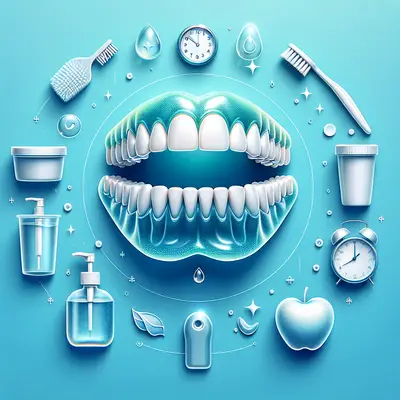
Curate a discreet, organized space for your denture care: a non-slip tray, a soft towel lining the sink area (to protect against accidental drops), and a dedicated container for soaking. When everything has its place, the routine feels less clinical and more like a curated grooming ritual—encouraging thorough, unhurried care.
Silent Fit Checks Prevent Future Discomfort
Once a week, take a moment in front of a mirror to observe your dentures as you speak slowly, smile, and rest your lips. Look for subtle rocking, slight clicking when you talk, or a faint gap at the corners of your mouth. These visual cues often appear before discomfort sets in and can prompt a timely visit for adjustments that preserve both comfort and aesthetics.
Gentle Lip and Cheek Care Enhances Overall Comfort
Denture wear can sometimes lead to dryness at the corners of the mouth or tension in the cheeks, especially if you are adapting to a new bite. Incorporate a hydrating, fragrance-free lip treatment and, if needed, a light facial massage along the jawline and cheeks in the evening. Relaxed, well-hydrated tissues make speech and smiling feel more natural and reduce the perception of “fullness” from dentures.
Curated Dietary Choices Protect Fit and Graceful Function
You do not need to relinquish culinary pleasure, but a few selective choices can maintain both comfort and poise. Favor foods that are tender yet flavorful, and cut firmer items into smaller, elegant bites. Avoid routinely using your incisors to tear very hard foods—this can introduce micro-movements that strain the fit over time. Chewing more symmetrically—using both sides rather than favoring one—also distributes pressure more evenly, protecting both your dentures and the underlying bone.
Conclusion
An exquisite denture routine is less about complication and more about intention. Each deliberate choice—from the water you soak in to the way you schedule “rest” for your oral tissues—contributes to a smile that feels authentic, stable, and quietly distinguished. When dentures are integrated into a broader philosophy of personal grooming and well-being, they cease to be a reminder of loss and instead become a carefully crafted asset: one that supports your expression, your confidence, and the refined way you move through the world.
Sources
- Mayo Clinic – Dentures: Overview and Care - Explains types of dentures, basic care recommendations, and when to seek professional help
- Cleveland Clinic – Dentures: Uses, Types, Care & Complications - Provides clinical guidance on cleaning, overnight removal, and managing soreness or fit issues
- American Dental Association – Dentures - Offers patient-friendly information on daily denture hygiene, adhesives, and oral tissue health
- National Institute of Dental and Craniofacial Research (NIDCR) – Dental Prosthetics - Covers scientific background on tooth replacement options and their impact on oral structures
- Columbia University College of Dental Medicine – Caring for Removable Dentures - Details evidence-based recommendations for cleaning, soaking, and protecting removable dentures
Key Takeaway
The most important thing to remember from this article is that this information can change how you think about Denture Care.