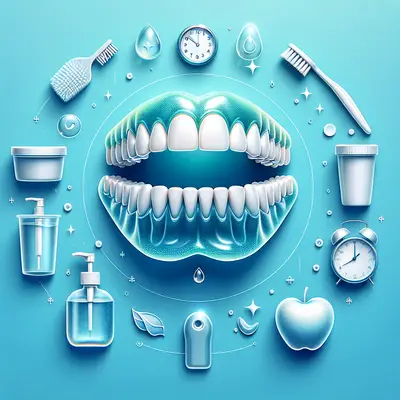
Denture care, at its best, is not merely functional—it is a quietly refined ritual that protects your comfort, confidence, and appearance over time. Beyond the standard advice to “clean daily” and “see your dentist,” there is a more nuanced approach that discerning wearers come to appreciate. Think of it as curating an environment—oral, social, and lifestyle—where your prosthetic teeth don’t just perform, but perform beautifully.
Below are five exclusive, often-overlooked insights that elevate denture care from routine maintenance to a considered practice in everyday elegance.
The Micro-Fit Mindset: Treating Fit as a Living, Changing Detail
Most people regard denture fit as a fixed event—the day they receive their prosthesis. In reality, fit is dynamic, responding subtly to time, bone changes, weight fluctuations, and even medication use.
A sophisticated approach begins with a “micro-fit mindset”: noticing the smallest shifts before they become problems. A whisper of rocking when you bite into something crisp, a faint air bubble when you speak certain words, or a trace of rubbing at the same spot in the evening—these are early signals, not inconveniences to “push through.”
Elevated care means scheduling check-ins not only when something is painful, but when something is slightly different. Over time, your dentist may recommend relines, soft liners, or adjustments that maintain the delicate balance between stability and comfort. This proactive attitude preserves your underlying bone and soft tissue, reduces the risk of sore spots, and helps you avoid the emergency adjustments that disrupt your routine. True comfort is cultivated incrementally, long before you desperately need it.
The “Polished Palate” Principle: Curating Texture, Not Just Cleanliness
Conventional advice says to brush your dentures daily. Refined care asks a deeper question: how do they feel against the tongue and palate?
A “polished palate” principle prioritizes the tactile experience as much as hygiene. After thorough cleaning with a non-abrasive denture cleanser and a soft brush, run your tongue gently along the inner surfaces. Smoothness should feel consistent—no feather-light rough patches, no micro-scratches, no lingering film. Even a faint graininess can encourage plaque retention, staining, and odor over time.
Avoid regular toothpaste, which often contains abrasives designed for natural enamel and can create a microscopic roughness on acrylic or porcelain surfaces. Instead, use products specifically formulated for dentures and pair them with a soft-bristled brush devoted solely to your appliance. Periodic professional polishing by your dentist or prosthodontist restores a high-quality surface finish—like a well-maintained piece of fine craftsmanship—which resists buildup and feels seamlessly integrated into your mouth.
Temperature, Timing, and Tension: An Elegant Approach to Daily Use
Many wearers think of dentures as “in or out.” Sophisticated use recognizes that when and how you wear them matters just as much.
First, consider temperature. Very hot beverages and foods can gradually distort acrylic bases, especially if repeated throughout the day. Allow hot drinks to cool slightly from “steaming” to “sippable,” preserving both the integrity of your appliance and the comfort of your tissues. This small pause doubles as a mindful moment—an elegant slowing-down rather than a restriction.
Second, consider timing. Most clinicians recommend removing dentures overnight to give the tissues a chance to rest and to reduce the risk of infection. If removing them at night is socially or personally difficult, explore a structured “rest window” in your day—a quiet hour at home when your tissues can breathe while the dentures soak in a proper cleanser. A consistent rest interval is more beneficial than sporadic, rushed breaks.
Third, consider tension. Clenching, grinding, or holding your jaw in a tight position—especially during stressful days—can accelerate wear on both dentures and underlying structures. Gentle jaw relaxation exercises, a calm pre-sleep routine, and addressing stressors proactively can reduce this tension. Your dentures will last longer, your muscles will fatigue less, and speaking and chewing will feel more fluid and natural.
The Discreet Hydration Strategy: Protecting Tissues and Adhesive Performance
Hydration, in the refined denture wearer’s world, is an orchestrated element of daily comfort. Saliva is not merely moisture; it is a natural lubricant, cleanser, and buffer that supports both the denture base and the delicate tissues beneath.
Many medications, including common antihypertensives, antidepressants, and antihistamines, can dry the mouth. Rather than simply “drinking more water,” consider a discreet hydration strategy:
- Keep water nearby and sip regularly—not in large, infrequent gulps—to maintain a stable oral environment.
- If approved by your dental and medical providers, use saliva substitutes or moisturizing sprays formulated for dry mouth. Apply them before social events, long meetings, or travel, when you need your dentures to feel reliably secure.
- Chew sugar-free gum or lozenges containing xylitol, if recommended by your dentist, to stimulate natural saliva without exposing your mouth to unnecessary sugars.
A well-hydrated mouth improves the performance of denture adhesives as well. Overly dry tissues compromise the subtle suction and distribution of adhesive, while overuse of adhesive can mask poor fit. The goal is not to rely on ever more product, but to create the ideal conditions in which a modest amount of adhesive, or none at all (when fit allows), works as intended. The result is security that feels natural rather than forced.
Precision Pairings: Aligning Diet, Social Life, and Denture Performance
Living well with dentures is less about avoiding foods and more about strategic pairings—matching what you eat and how you socialize to the realities of your prosthesis.
Instead of forbidding crunchy or fibrous foods altogether, refine the way you enjoy them. Slightly steam or roast firm vegetables so they retain character without becoming a test of your bite. Slice apples thinly rather than biting directly into them. Combine chewy textures with softer counterparts on the same plate, allowing your dentures to work efficiently without unnecessary strain.
For social occasions—dinners out, business lunches, weddings—plan in quiet detail:
- Preview the menu when possible. Opt for dishes that are flavorful and visually appealing but manageable in texture and bite size.
- Take slightly smaller bites and chew deliberately, not anxiously. This habit reads as poise rather than caution.
- If you use adhesive, apply it with extra attention on days with extended social interactions, and avoid experimenting with new products right before an important event.
This level of intentionality preserves your enjoyment of food and company without drawing attention to your dentures. You are not limited; you are curated, selectively designing experiences that align with both your palate and your prosthesis.
Conclusion
Living with dentures at a refined level is not about perfection—it is about attentiveness. A micro-fit mindset, a polished palate, intentional wear patterns, discreet hydration, and precision pairings with your diet form an ecosystem of care that goes beyond basic instructions.
In this elevated space, your dentures are not simply replacements for missing teeth; they become part of a thoughtfully managed daily ritual, supporting your presence, your comfort, and your quiet confidence. With each small, deliberate choice, you protect not only your prosthesis but the ease and elegance with which you move through the world.
Sources
- American Dental Association – Dentures – Overview of denture types, fit, and basic care recommendations
- Mayo Clinic – Dentures: Why It’s Done and What to Expect – Explains indications for dentures, adaptation, and follow-up care
- Cleveland Clinic – Dentures – Details on maintenance, relining, and when to see a dentist for adjustments
- National Institute of Dental and Craniofacial Research – Dry Mouth – Discusses causes and management of dry mouth, highly relevant for denture comfort and function
- Columbia University College of Dental Medicine – Caring for Dentures – Practical professional guidance on cleaning, storage, and protecting oral tissues
Key Takeaway
The most important thing to remember from this article is that this information can change how you think about Denture Care.