Choosing dentures today is less about “making do” and far more about curating a look and feel that supports how you live, work, and present yourself. The right denture is not merely a replacement for natural teeth; it is a considered design choice—balancing aesthetics, performance, comfort, and long-term oral health. Understanding the spectrum of denture types allows you to collaborate with your dental team as an informed partner, rather than a passive recipient of care.
Below, we explore how various denture types differ in structure, appearance, and daily experience—and share five under-discussed, genuinely exclusive insights that discerning denture wearers often wish they had known from the very beginning.
Understanding the Modern Denture Landscape
The term “denture” now encompasses a sophisticated range of devices, from traditional full plates to precisely engineered implant-supported solutions. While they all share one goal—replacing missing teeth—they diverge in how they interact with your mouth, your bone structure, and your lifestyle.
Conventional full dentures rest on the gums and are typically crafted from acrylic or a combination of acrylic and metal components. Partial dentures blend replacement teeth with a framework that anchors to remaining natural teeth, preserving what you still have while restoring your smile. Implant-supported dentures, meanwhile, attach to titanium posts secured in the jaw, creating a more stable and often more natural-feeling foundation.
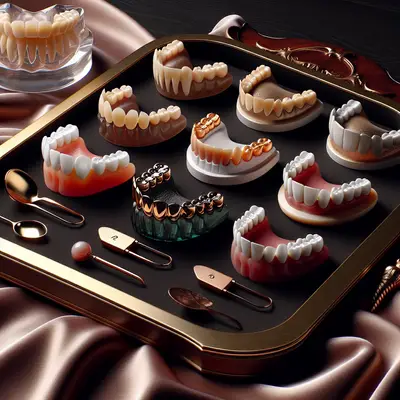
Beyond their basic construction, each category can be tailored: tooth shade and translucency, gum coloration and texture, and subtle arrangement of the teeth all shape the final result. Thinking of dentures as bespoke appliances—rather than generic prosthetics—sets the right expectation for the level of nuance and personalization now possible.
Full, Partial, and Implant-Supported: How They Truly Differ Day to Day
On paper, the distinctions between full, partial, and implant-supported dentures can sound straightforward. In daily life, however, the differences are surprisingly intimate and practical.
Full dentures are typically chosen when all teeth in an arch are missing. They rely on a careful interplay of fit, saliva, and muscle control, sometimes with the help of adhesive. This design can offer a beautiful transformation, especially when crafted by a provider who understands facial aesthetics and how tooth shape influences age, personality, and presence.
Partial dentures offer a more discreet restoration by integrating with remaining natural teeth. These may use metal clasps, precision attachments, or other mechanisms to stay in place. When executed well, a partial can feel like a seamless extension of your existing smile, balancing function with preservation of your remaining dentition.
Implant-supported dentures, whether removable or fixed, bring a distinctly different experience. They are anchored to the jaw and thus transmit chewing forces more like natural teeth. For people who value secure speaking, confident laughter, and the ability to enjoy a wider range of foods, this design can be particularly appealing. There is a surgical phase and healing period, but the result is often a notably elevated level of stability and comfort.
Materials and Aesthetics: The Subtle Power of Design Choices
The choice of material—acrylic, flexible resin, metal framework, or a combination—has implications that go far beyond durability. It shapes how your dentures catch the light, how they feel against the tongue, and how convincingly they mimic natural teeth and gums.
Acrylic is widely used and can be highly aesthetic when layered to replicate the natural translucency of teeth and the delicate gradation of gum tissue. High-end prosthetic teeth can incorporate multiple shades, translucencies, and surface textures, subtly imitating the way real enamel reflects and refracts light.
Metal frameworks, often cobalt-chromium alloys, are prized in certain partial dentures for strength and thinness. They can allow more refined design, with less bulk on the palate, enhancing comfort and speech. Flexible resin bases, by contrast, contour closely to tissues and can feel very natural, though they may not be ideal for every clinical situation and can be more challenging to adjust or repair.
Thoughtful gum design is equally important. Gentle stippling (the fine texture on the gums), carefully chosen pink tones, and a nuanced gumline can transform a denture from “obvious prosthetic” to “quietly convincing.” These details may seem cosmetic, but they profoundly influence how authentic your smile appears in intimate conversation, on camera, and in varied lighting.
Five Exclusive Insights Experienced Denture Wearers Rarely Hear Up Front
Dentures are often presented in broad strokes: type, cost, timeline. Yet the subtler considerations are what frequently determine whether your daily experience feels ordinary—or exquisitely well managed. The following five insights, drawn from clinical best practices and seasoned wearer feedback, are particularly valuable when selecting denture types.
1. “Transitional” Dentures Can Be Strategic, Not Merely Temporary
Immediate dentures worn after extractions are often described as a stopgap. Viewed differently, they are a test drive for your future smile. The tooth size, arrangement, and shade choices you make in this transitional phase can inform your final prosthesis.
By paying attention to how your immediate dentures influence your facial structure—cheek support, lip fullness, and profile—you gain actionable insight. You may decide to request subtle changes in tooth length or positioning for your definitive set. Consider keeping a written list or photos of what you love and what you would refine; this gives your dental team a nuanced brief when designing your long-term solution.
2. The Choice Between Fixed and Removable Implant Options Is About Lifestyle, Not Just Budget
Implant-supported dentures exist on a spectrum: some are removable (often called overdentures), while others are fixed and only removed by a dentist. The conversation is often framed around cost, but the more telling distinction is lifestyle preference and personal rituals.
Removable implant-supported overdentures offer the psychological reassurance of being able to remove and clean your prosthesis thoroughly in your hands. Some people appreciate the nightly ritual and the control it provides. Fixed implant bridges, on the other hand, are designed to be treated like natural teeth—brushing, flossing (often with special tools), and professional maintenance at regular intervals. For those who prefer to “forget” about their dentures during the day, the fixed solution can feel exceptionally natural.
Understanding your own temperament—whether you enjoy careful nightly routines or favor a more low-maintenance rhythm—is critical in weighing these options.
3. Bite Design Influences More Than Chewing—It Shapes Your Posture and Expression
The way your dentures meet when you close your mouth (your occlusion) is not simply a technical detail for the dentist. It affects muscle tone in your face and neck, your jaw posture, and even the way your lips rest at ease.
A carefully balanced bite helps avoid overworking certain muscles, which can lead to tension, discomfort, or subtle changes in expression over a long day. This, in turn, influences how relaxed and natural you appear in candid moments. When discussing denture types, ask how your provider will assess and refine your bite. Techniques such as using trial dentures, digital bite analysis, or multiple adjustment visits are all signs of a more refined approach.
4. “Whitest” Is Rarely “Most Convincing”: Tooth Shade Is an Art Form
The most flattering denture shade is rarely the brightest on the chart. An elegant, age-appropriate, and context-sensitive color choice is far more persuasive and versatile.
For individuals who speak and socialize frequently, a slightly softer shade with gentle gradation often appears more authentic under varied lighting: office fluorescents, warm restaurant lighting, or natural daylight. A very bright, uniform white can look striking in static photos but may feel conspicuous in motion. Denture types that allow for premium, multilayered prosthetic teeth give your clinician more artistic control over the final result.
Consider bringing photos of your natural teeth (if available) or of smiles you admire that match your age and style. This frames the conversation around realism and refinement, not simply “whiter or darker.”
5. Subtle Design Features Can Future-Proof Your Comfort as Your Mouth Changes
The tissues and bone that support your dentures will continue to change over time, particularly after extractions. High-quality denture design anticipates this and builds in a degree of adaptability.
For traditional full dentures, this might mean leaving appropriate thickness and contour in the base so future relines can be performed without compromising strength or aesthetics. For partials, thoughtfully placed rests and clasps can be adjusted as teeth shift or as new restorations are added. Implant-supported dentures are often designed with replaceable components so that worn parts can be updated without rebuilding the entire prosthesis.
When discussing denture types, it is reasonable to ask: “How will this particular design adapt over the next five to ten years?” This single question often reveals a great deal about the sophistication of the proposed treatment.
Tailoring Denture Types to Your Daily Reality
The most successful denture is not simply the “best” on paper; it is the one that aligns with how you actually live. A frequent traveler may prioritize durable materials and minimal maintenance. Someone who enjoys a rich culinary life may lean toward implant-supported solutions to expand their menu with confidence. A person in a highly public role might focus on nuanced aesthetics and exceptionally stable speech.
Collaborate with your dental provider the way you might work with a tailor or interior designer—sharing preferences, photographs, lifestyle details, and long-term goals. Ask to see examples of different denture types, inquire about trial phases, and understand how adjustments will be handled after delivery. The process should feel consultative, iterative, and attentive to fine details.
Conclusion
Modern dentures are no longer a one-size-fits-all compromise; they are a carefully crafted extension of your personal style and daily comfort. By understanding the distinctions between full, partial, and implant-supported options—and by considering deeper insights such as bite design, future adaptability, and the art of shade selection—you position yourself to choose not just “a denture,” but your denture.
A thoughtfully selected and meticulously designed appliance does more than restore function. It supports how you speak, eat, and engage with the world, quietly reinforcing a sense of composure and ease. In that sense, the right denture type is less a clinical decision and more an investment in the way you inhabit your own presence every day.
Sources
- American College of Prosthodontists – Dentures – Overview of complete, partial, and implant-supported dentures and when each type is recommended
- Mayo Clinic – Dentures: How to Care for Them – Practical guidance on living with and maintaining different denture designs
- Cleveland Clinic – Implant-Supported Dentures – Detailed explanation of how implant-supported dentures work, including advantages and considerations
- National Institute of Dental and Craniofacial Research (NIDCR) – Tooth Loss – Background on tooth loss and treatment pathways, including prosthetic options
- Harvard School of Dental Medicine – Prosthodontics Overview – Professional perspective on advanced tooth replacement and prosthodontic principles
Key Takeaway
The most important thing to remember from this article is that this information can change how you think about Denture Types.