A well-chosen denture is less an appliance and more a signature—an understated expression of who you are. Today’s prosthetics can be tailored not only to restore function, but to echo your natural facial character, support graceful aging, and fit seamlessly into a refined lifestyle. Understanding denture types is no longer about simply “full” or “partial”; it is about design philosophy, material nuance, and how each option harmonizes with your daily rituals.
This guide explores the primary categories of dentures through a more discerning lens—and highlights five exclusive insights that seasoned wearers wish they had known from the beginning.
Reframing Denture Types: Beyond “Full” and “Partial”
Most people are introduced to dentures through basic labels: full, partial, or implant-supported. While technically correct, that framing misses what matters most to an elevated user experience—how these designs interact with your bone structure, soft tissues, and personal aesthetics.
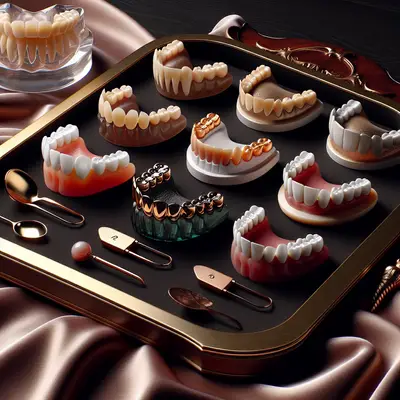
Conventional full dentures replace all teeth in an upper or lower arch and rest on the gums, often relying on suction and precise fit. Partial dentures, by contrast, weave into remaining natural teeth, using discreet clasps or precision attachments for stability. Implant-supported dentures anchor to titanium posts in the jaw, offering exceptional security and preserving bone volume over time.
Within each category, there are refined variations: flexible partials designed for discretion, overdentures that slip onto implants like a tailored jacket, and immediate dentures that bridge the time between extractions and final restoration. Thinking in terms of “design families” rather than simple labels allows you and your clinician to match the right prosthesis to your lifestyle, appearance preferences, and long-term oral health strategy.
The Aesthetic Architecture of Modern Dentures
A sophisticated denture does more than fill space—it sculpts the lower third of the face. The choice of tooth shape, hue, and translucency can subtly influence how others read your age, personality, and even your energy level.
Today’s higher-end acrylics and composite teeth can mimic the faint color gradients, surface texture, and light diffusion of natural enamel. Rather than selecting a uniformly bright shade, many discerning patients now request a nuanced palette: a slightly warmer cervical area near the gums, gentle translucency at the edges, and minute “imperfections” that keep the smile from looking manufactured.
Equally critical is the contour of the pink acrylic (the “gum” portion). Delicate stippling, natural-looking emergence profiles, and careful attention to lip support can refine the entire facial silhouette. A well-designed upper denture can subtly smooth nasolabial folds, support the upper lip, and restore youthful volume—without appearing overdone.
Functional Personalization: Matching Denture Type to Daily Life
Choosing among denture types is ultimately an exercise in lifestyle design. For those who travel frequently, host clients over meals, or rely heavily on public speaking, small functional distinctions become paramount.
Traditional full dentures can serve beautifully for individuals with stable bone and predictable routines, but may feel less secure in high-pressure social settings. Implant-supported or implant-retained dentures offer a confident bite for those who routinely enjoy steak, crusty bread, or textured salads, while also minimizing the risk of unexpected movement mid-conversation.
For wearers with a meticulous grooming ethos, precision attachment partials—where metal clasps are hidden—offer enhanced discretion. Flexible partials can be an option for those prioritizing comfort and aesthetics, though they may not be ideal in every clinical situation. The key is to discuss not just your mouth, but your calendar, your wardrobe, and your personal rituals; the right denture type should complement your lifestyle as naturally as a favorite watch or pair of glasses.
Five Exclusive Insights Seasoned Denture Wearers Rarely Share
The most valuable wisdom about dentures often surfaces quietly—between close friends, long-time patients, and trusted clinicians. These five insights can help you make more informed, elevated choices from the outset.
1. Micro-Millimeters Matter More Than You Think
To the untrained eye, a minor adjustment may look negligible; to the wearer, a fraction of a millimeter can transform comfort. Vertical dimension (the distance between the jaws when teeth are in contact) affects jaw tension, facial fullness, and even how you pronounce certain sounds.
Many experienced wearers discover that a second or third adjustment—slightly refining height or angulation—can soften TMJ discomfort, reduce lip fatigue, and create a more natural smile line. When evaluating denture types, prioritize practices that schedule multiple follow-ups and embrace fine-tuning as part of the process, not an afterthought.
2. Your Bone and Gums “Negotiate” With Your Denture Over Time
After tooth loss, the jawbone gradually remodels. For conventional full dentures, this means that what feels secure today may feel less so in a few years, as the underlying foundation subtly changes. This is not a failure of the denture; it is biology.
Savvy denture wearers plan ahead for periodic relines and consider how different denture types interact with bone over the long term. Implant-supported options can help slow bone resorption in many cases, preserving facial structure and stability. Even if you begin with a traditional denture, asking your dentist how your current design can be “upgraded” to implants in the future gives you a more strategic roadmap.
3. Subtle Design Choices Can Protect Your Jaw Joints
Not all dentures distribute chewing forces the same way. Factors such as occlusal scheme (how upper and lower teeth meet), tooth material, and arch form influence how stress travels through your jaw joints and muscles.
Those who grind, clench, or have a history of TMJ discomfort often do better with thoughtfully designed occlusion—such as balanced or lingualized schemes—rather than a one-size-fits-all setup. A more premium approach to denture types involves tailoring the bite to your neuromuscular pattern, which can reduce headaches, morning jaw fatigue, and uneven wear over time.
4. The Palette of Your Diet May Guide the Right Material Choice
Some foods stain more readily than others, and certain denture tooth materials absorb pigments differently. A coffee connoisseur or red wine enthusiast may prefer teeth with enhanced stain resistance, while someone who mostly enjoys lighter cuisines might prioritize other features, such as a softer material that is kinder to opposing natural teeth or implants.
Seasoned wearers often learn—sometimes the hard way—that aligning tooth material and surface finish with their typical diet minimizes maintenance and keeps their smile looking refined longer between professional cleanings. When discussing denture types, ask not just about shape and shade, but also about stain behavior and long-term polish retention.
5. Social Ease Comes From Practice, Not Just the Prosthesis
Many first-time wearers imagine that a “perfect” denture will instantly restore spontaneous laughter, confident dining, and effortless speech. In reality, even the most meticulously crafted prosthesis requires a brief acclimation period for your tongue, lips, and facial muscles.
Experienced wearers quietly practice: reading aloud at home to refine “s,” “f,” and “th” sounds; testing new dentures with familiar, manageable foods before attending events; rehearsing subtle techniques—such as placing the tongue against the back of the upper teeth when laughing—to feel secure. When selecting your denture type, consider not only the prosthesis itself but the level of training and guidance your clinic provides to help you integrate it gracefully into daily life.
Navigating Material and Design Upgrades With Intention
Once you understand the main categories of dentures, the next layer of refinement lies in optional enhancements: upgraded teeth, precision attachments, high-impact acrylics, or metal substructures. These are not merely “extras”; they can influence comfort, longevity, and how confidently you inhabit your new smile.
For example, higher-density acrylics and composite teeth typically resist wear and staining better than entry-level options, preserving bite relationships and aesthetics longer. Cobalt-chrome frameworks in partial dentures provide slim, rigid support that feels lighter and less bulky, while premium pink materials can better emulate the natural translucency and texture of gum tissue.
An elegant approach is to think in terms of tiers: foundational function first, followed by the upgrades that most meaningfully support your lifestyle. For a frequent presenter, that might be superior aesthetics and phonetic precision; for a gourmand, it may be stability and bite strength. Matching the right denture type with thoughtful materials allows your prosthesis to feel less like a compromise and more like a tailored solution.
Conclusion
Selecting a denture is no longer a yes-or-no decision—it is a nuanced curation of design, material, and long-term strategy. When you look beyond the basic labels and examine how each denture type will influence your facial architecture, daily rituals, diet, and social ease, the choice becomes far more personal and far more empowering.
With the right collaboration between you and your clinician—and an appreciation for the subtle, often overlooked details that experienced wearers understand—you can move from “having dentures” to owning a signature, confident smile that feels authentically and elegantly yours.
Sources
- American College of Prosthodontists – Dentures Overview - Explains types of dentures, indications, and what patients can expect from treatment
- Mayo Clinic – Dentures: Options, Care and Adjustment - Provides clinical guidance on denture types, fit, and adaptation over time
- Cleveland Clinic – Dentures - Discusses full, partial, and implant-supported dentures, including benefits and considerations
- National Institute of Dental and Craniofacial Research (NIDCR) - Covers tooth replacement options and how tooth loss affects oral structures
- Journal of Prosthodontic Research – “Implant overdentures: Their functional and biomechanical advantages” - Reviews the biomechanical and functional benefits of implant-supported overdentures
Key Takeaway
The most important thing to remember from this article is that this information can change how you think about Denture Types.