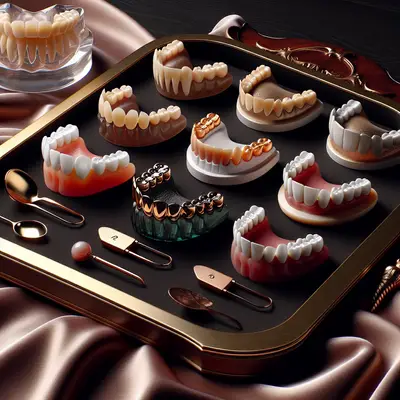
A well-designed denture is more than a medical device; it is an expression of how you choose to meet the world. The right type, thoughtfully selected and expertly crafted, can restore not only your bite, but your confidence, posture, and even how light catches your smile in photographs. This guide walks you through the main denture types with a refined lens—focusing on comfort, aesthetics, and the lived experience of wearing them every day.
Along the way, you’ll find five exclusive, often-overlooked insights that discerning denture wearers quietly rely on but rarely see discussed in standard guides.
Understanding the Main Denture Families
Before diving into subtleties, it helps to understand the primary “families” of dentures your dentist or prosthodontist may recommend.
Complete dentures are used when all teeth in an arch (upper, lower, or both) are missing. Traditionally made from acrylic, they rest directly on the gums and underlying bone. Upper complete dentures typically have excellent retention because they form a seal against the palate; lower complete dentures are inherently less stable due to the tongue and smaller surface area.
Partial dentures are for those who still have some natural teeth. They use a combination of gum-colored acrylic and a framework—often metal or flexible polymer—to clasp onto the remaining teeth for support and stability. The elegance of a partial lies in how invisibly it blends natural and artificial teeth.
Implant-supported dentures combine denture design with dental implants placed in the jawbone. The denture then snaps, clips, or is screwed onto the implants. This delivers superior stability, increased chewing power, and reduced bone loss over time.
Immediate dentures are placed the same day natural teeth are removed, so you never have to leave the practice toothless. They are a transitional solution, as the gums and bone change shape after extractions; adjustments or a later “definitive” denture are usually required.
Overdentures sit over remaining natural roots or implants, using them as anchors. Preserving roots where possible can help maintain jawbone volume and a more youthful facial structure.
Each type can be executed at a basic, standard, or highly customized level. The difference in daily experience—and in subtle visual cues—is often dramatic.
A Refined Look at Aesthetics: Beyond “Natural-Looking”
For many patients, the conversation begins and ends with “I just want them to look natural.” In elevated denture care, “natural” is only the starting point.
Premium dentures can be crafted with:
- Individualized tooth anatomy – Not every tooth should be perfectly identical. Slight variations in shape and translucency create a more lifelike, non-artificial effect.
- Layered shading – Instead of a single flat color, advanced materials use layered acrylics and ceramics that mimic enamel depth and gum vascularity, especially near the neck of the teeth.
- Micro-texturing – Subtle surface texture on the teeth can help them reflect light like natural enamel, avoiding the flat, plastic sheen often seen in budget dentures.
- Customized gum contours – Gentle scalloping, papilla shapes, and gum shading can be tailored, especially in “gum-smile” patients whose gingiva shows when they laugh.
Exclusive Insight #1: Your skin tone and lip shape should influence tooth choice.
Discerning denture wearers work with their dentist to select tooth shades and shapes that complement their complexion, lip fullness, and smile line. Slightly warmer shades often read as more youthful and believable on camera than very bright “paper white” options, which can look stark in real-world lighting.
Comfort and Fit: The Quiet Foundation of Confidence
A luxurious denture experience is, above all, a comfortable one. Aesthetic perfection matters little if you are constantly aware of sore spots or instability.
Several factors influence comfort:
- Precision impressions – Modern techniques may use multi-step impressions or digital scanning to capture exact detail. This reduces rocking, rubbing, and the “loose plate” sensation.
- Bite registration – Careful alignment of upper and lower dentures ensures that forces are evenly distributed, minimizing sore spots and jaw fatigue.
- Material flexibility and edge finishing – Thoughtful beveling and polishing around the margins can make the difference between a denture you forget you’re wearing and one you constantly notice.
- Relines over time – As bone and gum tissue remodel, particularly in the first year, a professional reline (adding new acrylic inside the denture) maintains a snug, cushioned fit.
Exclusive Insight #2: Schedule a “comfort refinement” visit a few weeks after final delivery—even if nothing hurts.
Refined wearers treat this like tailoring a bespoke suit. Subtle polishing, pressure-point adjustments, and bite refinements at this stage often transform the denture from “acceptable” to “effortlessly invisible” in your awareness.
Complete vs. Partial: How Lifestyle Shapes the Best Choice
If you still have natural teeth, your decision is rarely as simple as “replace or remove.” The best choice often emerges from a nuanced view of function, longevity, and how you actually live.
Partial dentures excel when:
- Remaining teeth are healthy or can be predictably restored.
- You value maintaining some natural sensation and proprioception when chewing.
- You wish to minimize bone loss in areas with intact roots or implants.
- You prefer a less invasive and often more economical solution than multiple implants.
Complete dentures may be advised when:
- Remaining teeth have poor prognosis due to decay, gum disease, or fractures.
- You’d rather have a single, unified prosthetic than ongoing complex restorative work.
- Your goal is a full aesthetic reset with simplified maintenance.
Exclusive Insight #3: The “staged plan” is a sophisticated strategy.
Many refined patients choose a phased approach—preserving strategic teeth or roots for a time to anchor a partial or overdenture, then transitioning to implants or a different design later. This approach respects both budget and biology, and gives you time to adapt to each progressive stage rather than changing everything at once.
Implant-Supported Options: Stability as a Daily Luxury
Implant-supported dentures, whether removable or fixed, have transformed what is possible for many edentulous patients.
Key benefits include:
- Significantly improved stability – No more panic about dentures shifting during a meal, a speech, or a photograph.
- Enhanced chewing efficiency – Research shows higher bite forces and better function compared to conventional dentures, allowing a more varied diet.
- Bone preservation – Implants stimulate the jawbone, slowing the resorption that often leads to a “sunken” look over time.
- Refined design possibilities – With stronger support, the prosthesis can be slimmer, less bulky, and more sculpted to the contours of the lips and cheeks.
Implant-supported dentures come in different formats: snap-on overdentures, bar-retained systems, and fully fixed “hybrid” bridges. Each offers its own balance of maintenance, hygiene, and cost.
Exclusive Insight #4: Think beyond chewing—consider speech, laughter, and photography.
Discerning wearers often choose implants not simply to “eat better,” but for confidence in high-stakes social settings: clear speech in quiet rooms, stable laughter without subconscious lip-pressing, and a consistent smile line in photos. This social and emotional stability is one of the under-discussed luxuries of implant support.
Material Choices: Acrylic, Flexible, and Metal Frameworks
Within each denture type, materials influence appearance, weight, and durability:
- Conventional acrylic – Widely used, easily adjusted, and relatively economical. Modern high-impact acrylics are more fracture-resistant and allow good color customization.
- Metal-framework partials (often cobalt-chromium) – Thin yet strong, they distribute chewing forces efficiently and can be more comfortable long-term than bulky acrylic bases.
- Flexible partials (e.g., nylon-based) – Valued for their translucency and absence of metal clasps. They can adapt gently to tissue, but may be more difficult to adjust and repair.
- High-end composite or ceramic teeth – Offer enhanced wear resistance, refined translucency, and color stability over time.
Exclusive Insight #5: Longevity and “aging gracefully” matter as much as day-one beauty.
Sophisticated wearers ask not only “How will this look now?” but “How will this material look and function in 5–10 years?” Materials that resist staining, surface wear, and color shift keep the denture aligned with your standards over time, reducing the need for early replacement.
Matching Denture Types to Personality and Daily Routine
Beyond clinical factors, your temperament and lifestyle should influence your choice:
- If you appreciate structured routines, a removable complete or partial denture might appeal—you may enjoy the ritual of cleansing, storing, and inspecting it daily.
- If you value minimal daily handling, a fixed implant solution can feel liberating: it stays in place and is brushed like natural teeth.
- If you travel frequently or lead a socially dynamic life, the additional confidence of an implant-supported or overdenture may align better with your expectations.
- If you are especially detail-oriented and visual, you might prioritize highly customized aesthetics and work closely with a prosthodontist and dental lab technician in a more collaborative design process.
In elevated denture care, the right type is the one that aligns seamlessly with who you are—not just what your mouth currently looks like.
Conclusion
A thoughtfully chosen denture is an investment in how you experience each day—from the way you savor a meal to how freely you smile in conversation. Whether you select a classic complete denture, a discreet partial, or an implant-supported solution, the most satisfying outcomes come from looking beyond the basics.
Attention to subtle aesthetics, personalized comfort adjustments, phased planning, social confidence, and long-term material performance separates a merely functional denture from one that feels truly bespoke. When you approach denture types with this level of refinement—and partner with a clinician who shares that vision—your replacement teeth become not just a necessity, but a quiet expression of your standards.
Sources
- American College of Prosthodontists – Dentures Overview – Clinical explanations of complete and partial dentures, indications, and care considerations.
- Mayo Clinic – Dentures: What to Expect – General overview of denture types, preparation, and adaptation process.
- National Institute of Dental and Craniofacial Research (NIDCR) – Evidence-based information on tooth-replacement options, including dentures and implants.
- Cleveland Clinic – Dental Implants and Implant-Supported Dentures – Detailed discussion of how implants work, benefits, and candidacy.
- Harvard Health Publishing – Replacing Missing Teeth – Comparative look at bridges, dentures, and implants, including pros, cons, and long-term considerations.
Key Takeaway
The most important thing to remember from this article is that this information can change how you think about Denture Types.