Modern dentures are no longer a one-size-fits-all solution; they are an extension of your personal aesthetic, your lifestyle, and your standards for comfort. Understanding denture types through a more discerning lens allows you to move beyond “what will work” and toward “what will truly suit me.” This guide explores denture options in a way that respects your expectations for subtlety, performance, and long-term value—while revealing five exclusive insights that sophisticated denture wearers quietly rely on.
Beyond the Labels: Understanding the Main Denture Families
While brochures often list dentures as full, partial, or implant-supported, the real sophistication lies in how these categories translate into daily life.
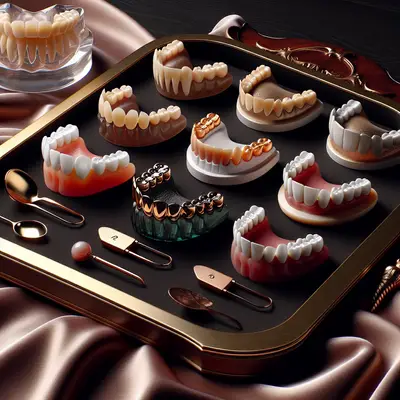
Conventional full dentures rest on the gums and are typically chosen when all natural teeth in an arch are missing. They can be crafted with remarkably lifelike tooth shades, delicate translucency, and gum characterizations that avoid the “overly perfect” artificial look. For those who value discretion, a carefully selected tooth shape and subtle color gradients are more important than simple “white” teeth.
Immediate dentures are placed the same day teeth are removed. They serve as a transitional solution, allowing you to avoid a toothless period in public. While incredibly convenient, the gum and bone naturally reshape after extractions, meaning these dentures usually require more adjustments and relining. The discerning wearer will see them as a strategic stepping stone, not the final destination.
Partial dentures bridge the gap when some natural teeth remain. Their frames may be crafted from metal, flexible resin, or a combination. The sophistication here lies in how seamlessly they blend with your natural teeth—clasp design, tooth contour, and how light reflects off the artificial teeth all influence whether your prosthesis is noticed or simply assumed to be natural.
Implant-supported dentures anchor to titanium posts placed in the jawbone. They provide exceptional stability, preserve bone structure, and often feel closer to natural teeth in function. For many, these are the pinnacle of discreet tooth replacement, especially when combined with careful attention to bite alignment and gum aesthetics.
Each of these options can be tailored to your priorities: subtlety, stability, ease of care, or a blend of all three. The key is not just choosing a category, but working with a clinician who understands how to refine the details within that category.
Materials and Craftsmanship: What Truly Differentiates Denture Types
Two dentures may look similar at a glance yet behave very differently over years of wear. The distinction often lies in the materials and the philosophy behind their fabrication.
Acrylic resin is the standard base material for many full dentures. Higher-quality acrylics are more resistant to staining, less prone to fracture, and can be shaded to mimic the gentle variation found in natural gum tissue. The artistry of the technician—subtle stippling, coloration, and contouring—determines whether your denture base looks “plastic” or lifelike.
Porcelain teeth offer a crisp translucency and are more resistant to wear and staining, which can be appealing for those who expect a long-lasting, stable appearance. However, they can be heavier and may transmit more force to the underlying ridges or implants. Porcelain is often favored by wearers who prioritize enduring aesthetics and a sharper, glass-like shine.
Composite or high-grade acrylic teeth can appear softer and more natural, with refined layering and color blending. They may be kinder to opposing natural teeth and are sometimes preferred for patients who clench or grind. When selected thoughtfully, they can deliver a nuanced, age-appropriate smile rather than an overly uniform, “veneered” look.
Metal frameworks in partial dentures (typically cobalt-chromium alloys) provide slim strength. They allow for a more delicate design that feels less bulky in the mouth. Discerning wearers often opt for precisely contoured clasps that sit discretely against the teeth and minimize visible metal when smiling.
In sophisticated denture design, material choice is not simply about durability—it is about how the denture will age, how it will feel on day 1 versus day 1,000, and how convincingly it will mirror natural oral structures.
Advanced Stability: A Closer Look at Implant and Precision Attachments
Stability is one of the most defining differences between denture types. For those accustomed to high standards in every aspect of life, looseness or clicking is simply not acceptable—and it doesn’t have to be.
Implant-retained overdentures typically attach to two to four implants in the lower jaw (and sometimes more in the upper jaw). They can “snap” into position using locator attachments, bars, or other precision components. The result is a denture that resists slipping during speech and meals, dramatically enhancing confidence in social and professional settings.
Fixed implant prostheses—sometimes called “all-on-4” or similar concepts—are secured to implants and can only be removed by your dentist. They function much more like natural teeth and eliminate the worry of movement altogether. They are often favored by those who want to forget they are wearing a prosthesis.
For partial dentures, precision attachments can replace visible clasps. These are small, engineered components that fit into mating parts on crowns or natural teeth. From the outside, they are nearly invisible, offering a clean smile line without glinting metal. They do, however, require meticulous planning and maintenance, a trade-off many discerning wearers consider worthwhile for heightened aesthetics.
The key insight is that stability is not only about comfort; it influences how you speak, how confidently you laugh, and whether you can enjoy a diverse diet without hesitation. Selecting a denture type that respects this need for assurance is an investment in your daily ease, not just your appearance.
Five Exclusive Insights Sophisticated Denture Wearers Rely On
Beneath the surface of denture selection lies a layer of nuance that rarely appears in standard brochures. These five insights can quietly elevate your experience from acceptable to exceptional.
1. The “Try-In” Stage Is Where the Magic Happens
Before your final denture is processed, you should have a wax try-in—essentially a dress rehearsal for your smile. This is your moment to fine-tune tooth length, midline, shade, and even how much tooth shows when your lips are at rest. Discerning wearers treat this appointment like a custom fitting with a tailor: they arrive prepared with preferences, old photos for reference, and a willingness to request small adjustments until the look and feel are right.
2. “Natural” Often Means Slightly Imperfect
Truly elevated dentures rarely look like a row of identical, ultra-white rectangles. Sophisticated wearers often request subtle character: minute variations in tooth length, gentle rotation, and a shade that harmonizes with their complexion and age rather than aiming for stark whiteness. The result is a refined, believable smile that reads as “well cared-for” rather than “obviously replaced.”
3. The Bite Is as Important as the Smile Line
Many patients focus on how dentures look from the front, but the occlusion—how your upper and lower teeth meet—determines comfort, chewing efficiency, and long-term jaw health. A well-designed bite can reduce sore spots, minimize clicking, and even soften muscle tension in the jaw. Sophisticated wearers prioritize follow-up adjustments to fine-tune their bite, understanding that this invisible detail pays dividends in day-to-day comfort.
4. Different Arches May Deserve Different Solutions
There is no rule that both jaws must have the same prosthesis type. For example, a conventional upper denture often gains excellent retention from the palate, while a lower denture can be notoriously unstable. Many experienced wearers opt for a traditional upper denture combined with an implant-supported lower overdenture, achieving an elegant balance of function, comfort, and cost.
5. Longevity Depends on Planned Evolution, Not Just Durability
Even the finest dentures do not exist in a static environment—your bone, gums, and facial structure continue to change over time. Sophisticated wearers plan for these changes rather than waiting for problems. Scheduled relines, periodic tooth refinishing or replacement, and revisiting implant-retention components every few years keep the prosthesis aligned with the evolving foundation. This proactive approach maintains both aesthetics and comfort, extending the life of the denture and preserving your investment.
Aligning Denture Type with Lifestyle, Not Just Anatomy
While clinical factors shape what is possible, your lifestyle should guide what is ideal. Denture types can be aligned with how you actually live, work, and socialize.
If you travel frequently or maintain a highly visible professional presence, you may value maximum predictability—fewer emergencies, reliable stability during long days, and a discreet appearance in photos and meetings. Implant-supported options or well-crafted precision partials often complement this lifestyle, reducing the cognitive load of “managing” your teeth.
If you prefer simplicity and ease of maintenance, a premium conventional full denture or a thoughtfully designed removable partial can be more suitable. These allow you to remove the prosthesis for meticulous cleaning and inspection, preserving both hygiene and the appearance of the materials over time.
For those who enjoy a culinary lifestyle—frequent dining out, diverse cuisines, and social meals—chewing performance should weigh heavily in the choice. Biting into crusty breads, enjoying fibrous vegetables, or indulging in steaks is more comfortable with dentures that provide superior retention and balanced occlusion. Here, implant assistance or carefully calibrated occlusal schemes can significantly enhance the experience.
Finally, your tolerance for visible hardware—such as clasps—may influence your decision. Some are unbothered by a hint of metal in the back of the mouth, while others want an entirely unremarkable smile. The elegance of your solution depends on how honestly you assess these preferences with your dental team.
Conclusion
Selecting a denture type is more than a clinical choice; it is a personal design decision that touches how you speak, eat, and present yourself to the world every day. When approached with intention, dentures become a quiet expression of your standards—discreetly comfortable, convincingly natural, and aligned with the life you lead.
By looking beyond labels like “full” or “partial” and embracing nuances in materials, attachments, aesthetics, and long-term planning, you elevate your prosthesis from a basic necessity to a carefully curated part of your daily refinement. The most satisfying denture is not merely the one that fits—it is the one that feels entirely your own.
Sources
- American College of Prosthodontists – Types of Dentures – Overview of denture categories, indications, and general features.
- Mayo Clinic – Dentures: What to Expect – Explains how dentures are made, fitted, and adjusted, including practical considerations.
- Cleveland Clinic – Dentures – Detailed discussion of types of dentures, care, and what affects comfort and function.
- National Institute of Dental and Craniofacial Research (NIDCR) – Tooth Replacement Options – Government resource outlining dentures and implants as replacement choices.
- Harvard School of Dental Medicine – Implant-Supported Prostheses Overview – Educational insight into dental implants and their role in supporting prosthetic teeth.
Key Takeaway
The most important thing to remember from this article is that this information can change how you think about Denture Types.