A well-crafted denture is more than a replacement for natural teeth; it is a quiet expression of confidence, composure, and personal standards. Yet the most refined denture experience rarely comes from the obvious advice alone—it emerges from the small, exacting habits that most people are never told. This guide explores five exclusive, under-discussed insights that elevate denture care from routine maintenance to an artful, polished ritual.
The “Fit Timeline”: Understanding How Dentures and Your Face Evolve Together
A denture is fabricated for the mouth you have today—but your bone and soft tissues will continue to change over time. When these changes are not anticipated, even the most beautifully made denture can start to feel clumsy, loose, or slightly “off” in your smile.
Bone beneath dentures gradually resorbs, especially in the first year after extractions. The upper jaw often changes differently from the lower, which explains why lower dentures tend to feel less stable for many wearers. What feels perfect in the first three months can feel subtly misaligned or less secure by month nine, even if nothing “breaks.”
Refined denture care means planning for this evolution, rather than waiting for discomfort or embarrassment to force action. Many prosthodontists quietly follow an internal timeline: initial adjustments in the first few weeks, reassessment at three to six months, and a strategic reline (or remake) after one to three years, depending on bone changes and wear. Knowing this, you can schedule your reviews deliberately—before sore spots, slipping, or speech changes appear.
This proactive timeline preserves not only comfort but also facial aesthetics. Proper denture support can subtly maintain lip fullness, jawline definition, and lower-face proportions, helping you look more rested and composed—without any obvious “denture look.”
Precision Cleansing: Temperature, Timing, and Texture Most People Overlook
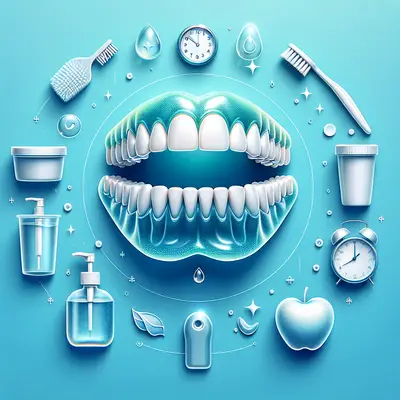
Most denture wearers are told what to clean with, but not how exacting the process can be when done at a premium level. Three deceptively simple details make a significant difference: water temperature, contact time with cleansers, and the physical texture of your cleaning tools.
Extremely hot water can warp acrylic, subtly altering the fit and occlusion (how your teeth meet). Lukewarm or cool water is preferred—pleasant to the touch but never steaming. Similarly, soaking tablets are designed with a specific contact time in mind (often 3–15 minutes). Leaving dentures in for hours in a strong solution can begin to affect surface smoothness or fade delicate pink shading over time, especially in high-end prostheses.
The texture of your denture brush or cloth matters as well. Overly stiff bristles can create microscopic scratches that attract plaque, stain, and odor. A soft denture brush or soft-bristled toothbrush, combined with a non-abrasive cleanser (never regular whitening toothpaste), maintains a glossy, glass-smooth surface that resists discoloration and feels luxurious against the tongue.
Treat this cleansing ritual as you would care for fine eyewear or a luxury watch: temperature-controlled, time-conscious, and intentionally gentle. The result is a denture that not only stays clean but also feels refined to wear.
Elite Comfort: Mastering Saliva, Hydration, and Subtle Adhesive Use
Comfort with dentures is not solely about the prosthesis; it is intimately tied to your saliva and hydration status—factors often overlooked in conventional advice. A dry mouth can turn a well-fitting denture into a source of friction and instability, while excessive or foamy saliva may cause slipping or clicking.
Medications, age, and certain health conditions can reduce saliva quantity or change its quality. For someone who values a composed, discreet denture experience, recognizing these shifts early is crucial. Simple steps—such as sipping water regularly, using sugar-free xylitol lozenges, or employing dry-mouth formulations recommended by your dental professional—can restore a comfortable “glide” beneath the denture base.
Denture adhesive, when used thoughtfully, can further refine stability. The goal is not to “glue in” a poorly fitting denture, but to create a subtle cushioning layer and micro-adhesion for enhanced confidence during social or professional interactions. Applying the smallest effective amount, in thin ribbons or dots, and thoroughly cleaning it off each night preserves both the denture acrylic and the underlying tissues.
The truly elevated approach is to view saliva management, hydration, and adhesive as a coordinated trio: when balanced correctly, they deliver a sense of effortless, nearly forgettable wear—so you can focus on interactions, not on your prosthesis.
Aesthetic Harmony: Lighting, Angles, and Social Confidence With Dentures
The most sophisticated denture wearers understand that their smile does not exist in isolation—it lives in conversation, photography, and ever-changing lighting. High-quality dentures are crafted to interact with light similarly to natural teeth, but a few nuanced considerations can help you present your best self, especially in a visually driven, social-media-savvy world.
Natural daylight reveals translucency and fine shading better than harsh overhead lighting. If you are evaluating a new denture, examine it in different environments: near a window, in soft indoor light, and under brighter, cooler LEDs. This helps you and your dental professional refine tooth shape, brightness, and positioning so that your smile appears natural and flattering in real life and on camera.
Lip support is another subtle but powerful detail. Properly contoured dentures can smooth fine lines around the mouth, prevent a “collapsed” appearance, and support a fuller—but not artificial—profile. When evaluating your dentures, pay attention not just to your teeth, but to how your lips rest when you are not smiling. A polished look is as much about repose as it is about a full smile.
Finally, practice speech and smiling in front of a mirror or with your smartphone camera—not out of vanity, but precision. Observe whether “s,” “f,” and “v” sounds appear effortless, whether your upper teeth show naturally at rest, and whether your smile feels like you. Adjustments at this level—sometimes just subtle reshaping or polishing—can dramatically enhance social confidence.
Nighttime Discipline: Tissue Recovery and the “Bare Gums” Principle
One of the most exclusive yet impactful insights is this: premium denture care respects the biological need for your oral tissues to rest. The most elegant prosthesis still exerts pressure on the underlying gums and bone; wearing it 24/7, especially overnight, can accelerate sore spots, fungal overgrowth, and bone resorption.
The “bare gums” principle is simple but powerful: your mouth should have a dedicated period each day when it is completely free of any prosthesis. For most people, this is during sleep. Removing dentures at night allows saliva to bathe and cleanse the tissues, improves oxygenation, and reduces the risk of denture stomatitis (inflammation often associated with Candida overgrowth).
This nightly ritual should be paired with a refined routine: gently brushing your gums, tongue, and palate with a soft brush; massaging the tissues to stimulate blood flow; and then soaking your dentures in a recommended cleanser or plain water, away from heat and direct sunlight. For implant-supported dentures or overdentures, meticulous cleaning around abutments or bars is equally non-negotiable, preserving both implants and soft tissue health.
This disciplined approach protects the foundation that supports your dentures—your gums and bone—ensuring long-term comfort, better fit over time, and a healthier, fresher-feeling mouth each morning.
Conclusion
A polished denture experience is built on nuances: anticipating how your mouth will change, cleansing with precision, managing saliva for effortless comfort, curating how your smile appears in real life and on camera, and honoring your tissues’ need for nightly recovery. These five insights move beyond generic advice and into the realm of intentional, elevated care.
When you treat your dentures as part of a larger, curated approach to health and presentation, they cease to be mere replacements and become discreet instruments of self-assurance. With thoughtful attention to these refined details, your prosthesis can support not just a functional bite, but a calm, confident presence—day after day, and year after year.
Sources
- American Dental Association – Dentures - Overview of denture types, care basics, and professional guidance from the ADA
- Mayo Clinic – Dentures: Understand the Basics - Explains what to expect with dentures, including fit changes and adjustment periods
- Cleveland Clinic – Dentures: What to Expect - Details on denture maintenance, comfort, and professional follow-up recommendations
- National Institute of Dental and Craniofacial Research – Dry Mouth - Authoritative information on saliva, dry mouth, and its impact on oral comfort and prosthesis wear
- Columbia University College of Dental Medicine – Caring for Dentures - Practical guidance from an academic dental institution on daily cleaning, nighttime removal, and tissue health
Key Takeaway
The most important thing to remember from this article is that this information can change how you think about Denture Care.