Choosing dentures is far more nuanced than simply “replacing teeth.” For discerning wearers, it is an intimate design decision that influences how they speak, dine, and move through social spaces. The right denture type does not announce itself; it integrates seamlessly into a curated life. This guide explores denture types through a more refined lens—highlighting subtle distinctions and five exclusive insights that sophisticated wearers often discover only after years of experience.
Understanding the Landscape of Denture Types
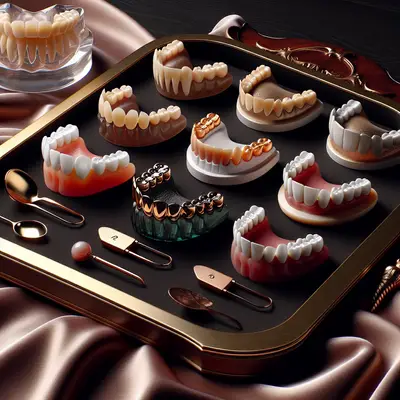
While many conversations stop at “full” or “partial” dentures, the contemporary landscape is significantly more considered. Traditional complete dentures, crafted for those missing all teeth in an arch, remain the classic option, often made from high-quality acrylics designed to mimic the translucency and texture of natural enamel. Partial dentures, anchored to remaining teeth, can be shaped to harmonize with existing dentition so that the boundary between natural and prosthetic is nearly imperceptible.
Implant‑supported dentures introduce a more architectural approach. Here, titanium implants anchor the prosthesis to the jaw, offering a reassuring stability that is especially prized in professional and social environments where confidence in speech and expression is paramount. Within that category, options range from overdentures that “snap” onto implants to fully fixed bridges that behave more like natural teeth. Even within removable dentures, there are premium materials, refined shading techniques, and customized gum contours that can transform a standard prosthesis into a bespoke piece of oral craftsmanship. Understanding these categories is the first step; recognizing how they perform in one’s everyday life is where the real artistry begins.
Aesthetics as Design, Not Decoration
For the refined wearer, denture aesthetics are not about “white teeth,” but about believable detail. High‑end denture design considers micro‑features: the way light plays across the tooth surface, the gentle variation in color from the neck to the edge of each tooth, and the subtle characterization that prevents a “blocky,” artificial look. The most sophisticated dentures avoid a uniform, opaque whiteness and instead emulate the nuanced translucency, faint striations, and minor asymmetries of natural teeth.
Gingival design—the appearance of the artificial gum—is equally critical. Premium dentures can incorporate delicate gradations in gum color, faint capillary effects, and slight contouring at the gum line that mirrors the wearer’s natural anatomy. When executed with precision, the illusion is convincing even at an intimate distance. Rather than simply “ordering dentures,” many patients now engage in a collaborative design process with their prosthodontist or dentist, reviewing trial setups, adjusting tooth length, and refining the smile line to align with facial proportions, lip dynamics, and even personal style preferences.
Functional Nuance: How Different Denture Types Perform
The emotional satisfaction of a beautiful smile must be matched by functional reliability. Conventional complete dentures rely on suction, muscle control, and fit of the base for stability. When skillfully made and regularly adjusted, they can be comfortable, but they typically require a degree of adaptation in chewing and speech, especially in the lower arch where retention is naturally more challenging.
Implant‑supported dentures elevate function by anchoring the prosthesis to the jaw. This typically allows for a more secure bite, less movement during conversation, and greater confidence in a variety of dining contexts—from crisp vegetables to more textured meats. Partial dentures, meanwhile, occupy a middle ground; they retain some of the sensory feedback from natural teeth while restoring aesthetics and function in missing areas. The refined question is not simply, “Which type is best?” but, “How does this type perform in the specific realities of my daily life: business meetings, intimate dinners, travel, and long speaking engagements?”
Posture, jaw alignment, and even facial support enter the conversation. Well‑designed dentures can soften the appearance of lines around the mouth and restore vertical dimension, subtly rejuvenating facial proportions. For many, choosing a denture type becomes as much about how they inhabit their face—how they smile, speak, and rest—as it is about chewing efficiency alone.
Five Exclusive Insights Sophisticated Denture Wearers Value
1. Trial Smiles Are Not a Formality—They Are Your Dress Rehearsal
When your dentist or prosthodontist offers a “wax try‑in” or trial setup, treat it as a private fitting, not a procedural step to rush through. This is your opportunity to observe tooth length when you speak, how much tooth shows at rest, and whether the overall shape aligns with your personal style—understated, bold, youthful, or classically restrained. Experienced wearers often request to see their trial dentures in different lighting—clinical, natural daylight, and soft indoor light—to ensure the shade and translucency feel authentic in real life, not just under overhead lamps.
2. Implant‑Supported Options Differ Subtly—but Meaningfully—in Lifestyle Impact
Among implant‑supported dentures, there is a spectrum from removable overdentures to fully fixed bridges. While both can be elegant, they offer distinct lifestyle experiences. Removable overdentures provide ease of cleaning and the option to remove the prosthesis at night, which some wearers find comfortable and reassuring. Fixed implant bridges, on the other hand, offer a near‑permanent feel—teeth that are brushed and flossed in place, closely mirroring natural tooth routines. Sophisticated wearers often weigh not only cost and longevity, but also their desired daily ritual: Do they prefer the reassuring nightly routine of removal and cleaning, or the seamless continuity of a fixed solution?
3. Material Choice Influences Sound, Not Just Appearance
Different materials—acrylic, composite, zirconia, and hybrid combinations—do more than affect aesthetics; they subtly alter the way you sound and feel when speaking and biting. Some fixed zirconia solutions offer an exceptionally solid, “quiet” bite, while certain acrylic setups may feel slightly softer and more cushioned. The way dentures reflect and absorb sound can influence sibilant consonants (such as “s” and “sh”) and even the confidence with which you speak in a boardroom or on a stage. Seasoned wearers sometimes request small adjustments in thickness and contour behind the front teeth to refine speech clarity, a detail that can be discussed proactively with your clinician.
4. The “Invisible” Line Between Denture and Skin Matters More Than You Think
Where the pink acrylic (or other material) meets your natural oral tissues is an often‑overlooked zone of refinement. A meticulous margin that follows the unique architecture of your gums and palate not only improves comfort but also contributes to visual believability, especially when laughing or speaking broadly. An ill‑aligned or overly bulky edge can create slight shadows, food trapping, or irritation that subtly undermines comfort over time. Discerning patients may request adjustments to flange thickness, extension, and contour—small refinements that can make the prosthesis feel less like an object in the mouth and more like a natural extension of self.
5. Long‑Term Adaptation Is Designed, Not Left to Chance
Sophisticated denture wearers anticipate that their needs will evolve. Bone resorption, changes in facial structure, and shifts in health or medication can all influence fit and function. Rather than waiting for discomfort, they co‑create an adaptation plan with their clinician: scheduled evaluations, anticipated relines, and, when implants are involved, a realistic timeline for component maintenance. For some, this includes planning a staged journey—starting with a well‑crafted conventional denture, then transitioning to an implant‑supported solution once healing, finances, or personal circumstances align. Viewed this way, denture selection is not a single transaction but an ongoing design relationship.
Matching Denture Type to a Refined Lifestyle
Once the technical possibilities are understood, the decision becomes elegantly personal. Those who travel frequently may favor solutions that are easy to clean in unfamiliar settings, resistant to minor mishaps, and supported by a simple care kit. Individuals in public‑facing professions may place a premium on absolute speech security and confidence when dining with clients, leaning toward implant‑supported solutions when feasible. For others, a carefully crafted conventional denture—designed with premium aesthetics and meticulously adjusted—offers a more understated, flexible, and still highly refined option.
Comfort extends beyond the mouth. There is emotional ease in knowing that your denture type aligns with your standards: no ticking anxieties during a toast, no self‑consciousness in photographs, no hesitation to order the dish you truly want. This alignment often arises from a candid, in‑depth consultation with a prosthodontist or experienced dentist who understands both the clinical and lifestyle implications of each type. The most satisfying outcomes emerge when you are not simply “fitted,” but thoughtfully guided—taking into account your habits, personality, appearance goals, and long‑term expectations.
Conclusion
A denture is not merely a replacement for lost teeth; it is a quietly influential element of how you present yourself to the world. Selecting the right denture type—complete, partial, implant‑supported, removable, or fixed—becomes an exercise in self‑curation. When you consider aesthetics as design, function as lived experience, and adaptation as an ongoing collaboration, your choice moves beyond the clinic and into the realm of personal refinement.
Equipped with these nuanced insights, you can step into the decision with calm assurance. The goal is simple yet profound: a prosthesis that supports your speech, dining, and presence so seamlessly that you rarely think about it—while others notice only the ease and confidence with which you inhabit your smile.
Sources
- American College of Prosthodontists – Dentures Overview – Explains types of dentures, including complete, partial, and implant‑supported options.
- Mayo Clinic – Dental Implants – Provides an in‑depth overview of implants, how they function, and their role in supporting prosthetic teeth.
- Cleveland Clinic – Dentures: Types, Care & Complications – Reviews denture types, expectations, and care considerations over time.
- MedlinePlus (U.S. National Library of Medicine) – Dentures and Bridges – Offers consumer‑focused guidance on when and why dentures are used, including partials and full dentures.
- Harvard School of Dental Medicine – Overview of Dental Prosthetics – General oral health topics page that includes information on prosthetic solutions like dentures and implants.
Key Takeaway
The most important thing to remember from this article is that this information can change how you think about Denture Types.